Spain · Mediterranean
Sail Spain.
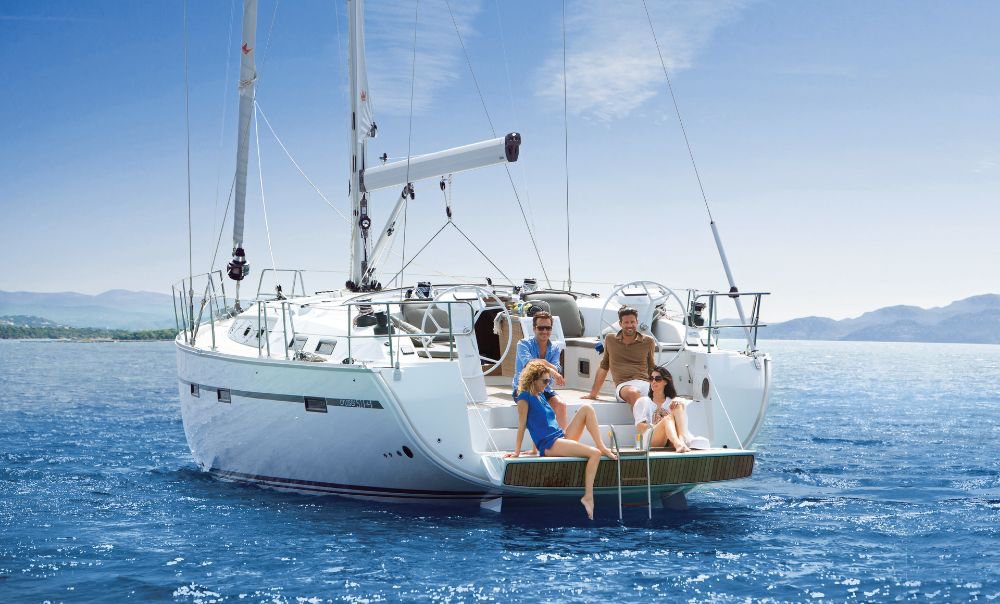
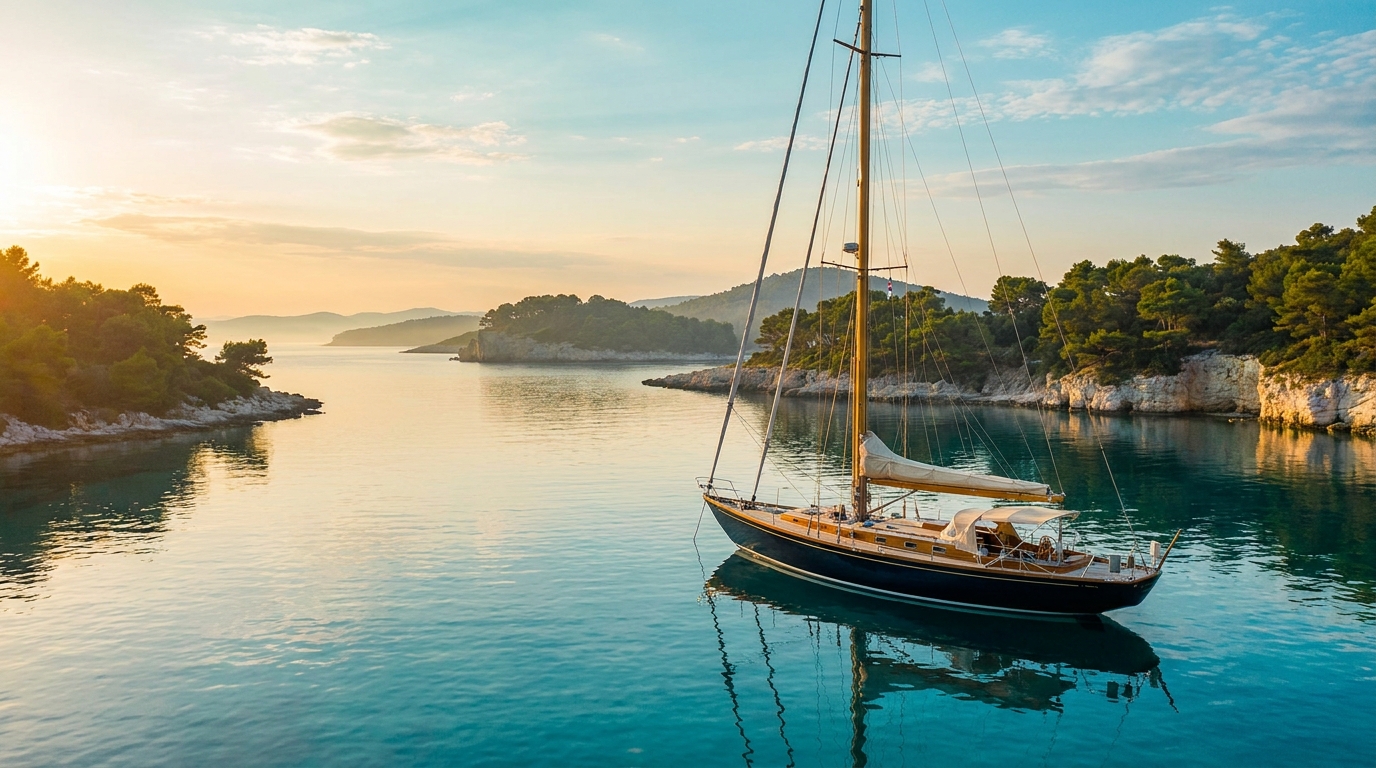
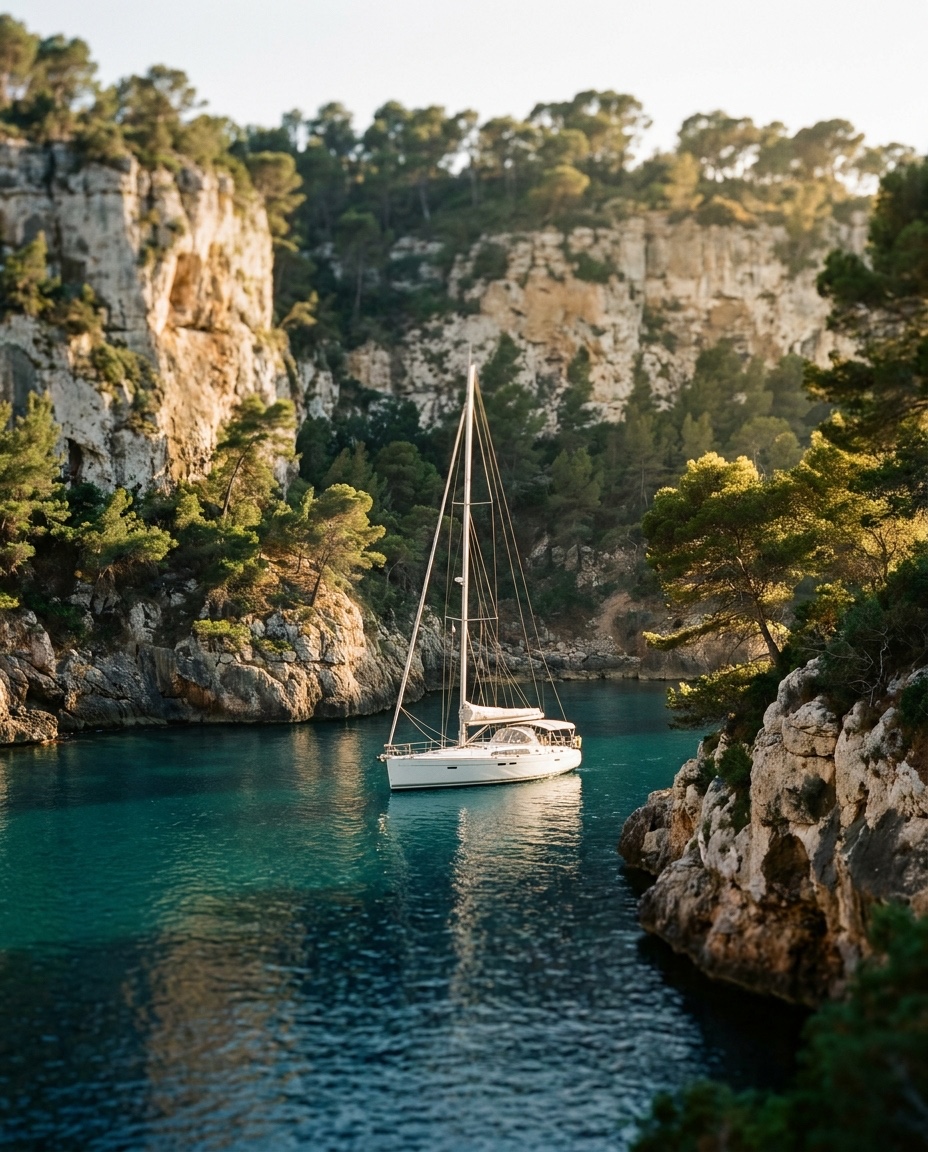
Yacht charter Spain: sail the Balearics, Catalonia, the Canaries and Alicante year-round, from marina-hopping weekends to island-to-island crossings.
Spain — Yacht Charter
01
Why sail Spain
Spain isn't one sailing ground, it's four. Island-hopping in the Balearics, coastal cruising along the Catalan and Costa Blanca shorelines, and Atlantic trade-wind sailing off the Canary Islands all fly under one flag but feel like different trips entirely. Wind strength, water colour and harbour architecture shift from area to area — a week threading Mallorca's coves has little in common with a week reaching between Tenerife and Gran Canaria. That range means you choose the trip to match the crew and the season, rather than fitting the crew to whatever's on offer.
02
Sailing areas and harbours
The Balearic Islands are the backbone of Spanish chartering: Mallorca, Menorca, Ibiza and Formentera, with bases at Palma, Alcúdia and Mahón and anchorages close enough together that you're rarely more than a few hours from shelter — Cala Macarella, Cala d'Or, the flat sand shallows off Formentera's Ses Illetes. Catalonia runs from Barcelona up the Costa Brava to Roses and Cadaqués, granite headlands and pine-fringed coves close to the French border, with L'Estartit as the gateway to the Medes Islands marine reserve. Alicante and the Costa Blanca — Dénia, Jávea — offer calmer water and fewer long crossings, good for shorter trips. The Canary Islands, seven volcanic islands off North Africa, are a different proposition: Atlantic swell, black-sand anchorages, and consistent trade winds that keep the sailing going through the months when the Mediterranean side is shut down. Boats sail from all four areas year-round.
03
Season and winds
Mainland and Balearic Spain follow the familiar Mediterranean rhythm: settled, moderate winds from May to September, with an afternoon thermal breeze — the embat — that builds through the day and drops away at dusk. Catalonia occasionally gets a tramontana, a cold, sharp wind funnelling down from the Gulf of Lion; it's worth checking the forecast before committing to an exposed anchorage on the Costa Brava. Spring and autumn bring quieter marinas, cooler water and less predictable wind — good trade-offs if you don't need guaranteed sun. The Canary Islands run on the north-east trades, the alisios, blowing reliably most of the year and giving steadier, stronger wind than the sheltered Balearic coves, with more open-water swell to match. That makes the Canaries the better winter charter and a step up in exposure for less experienced crews.
04
Charter types
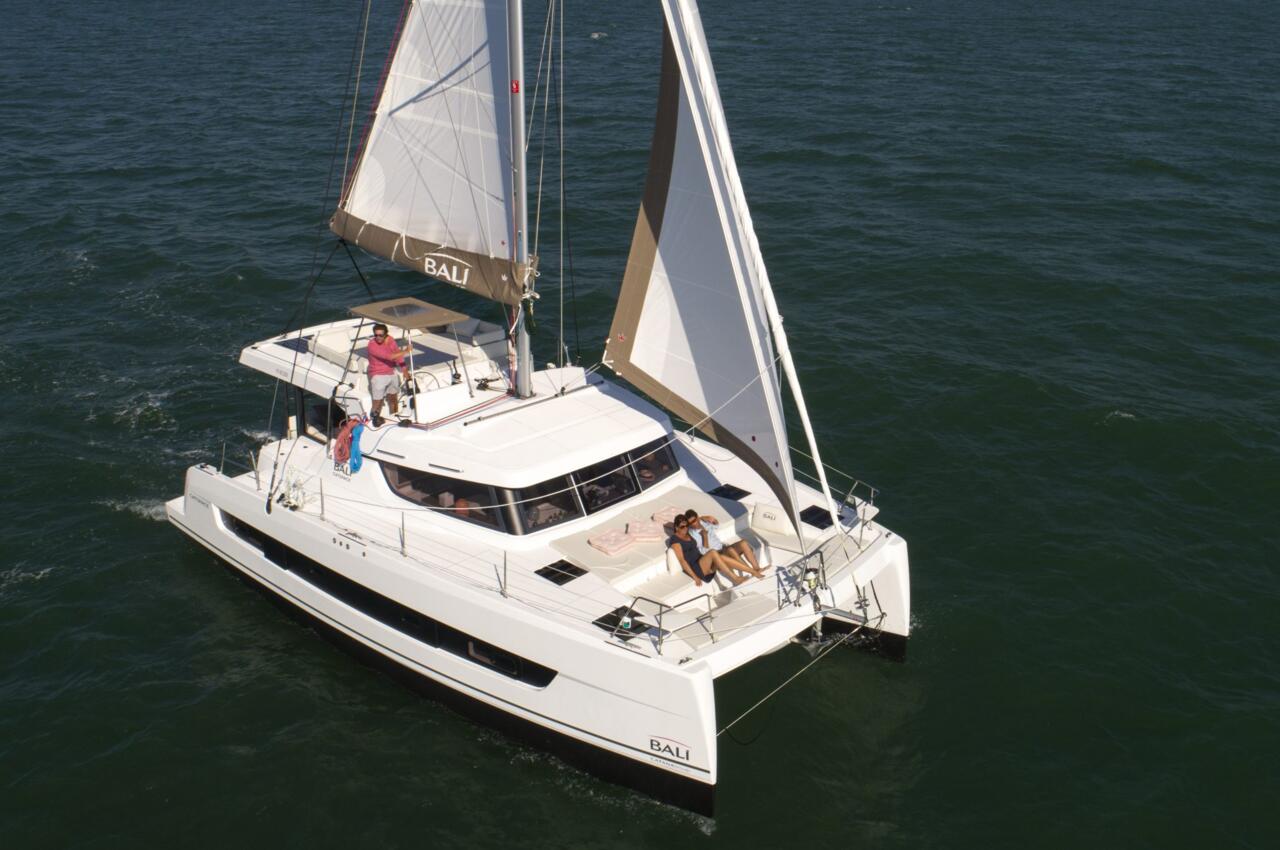
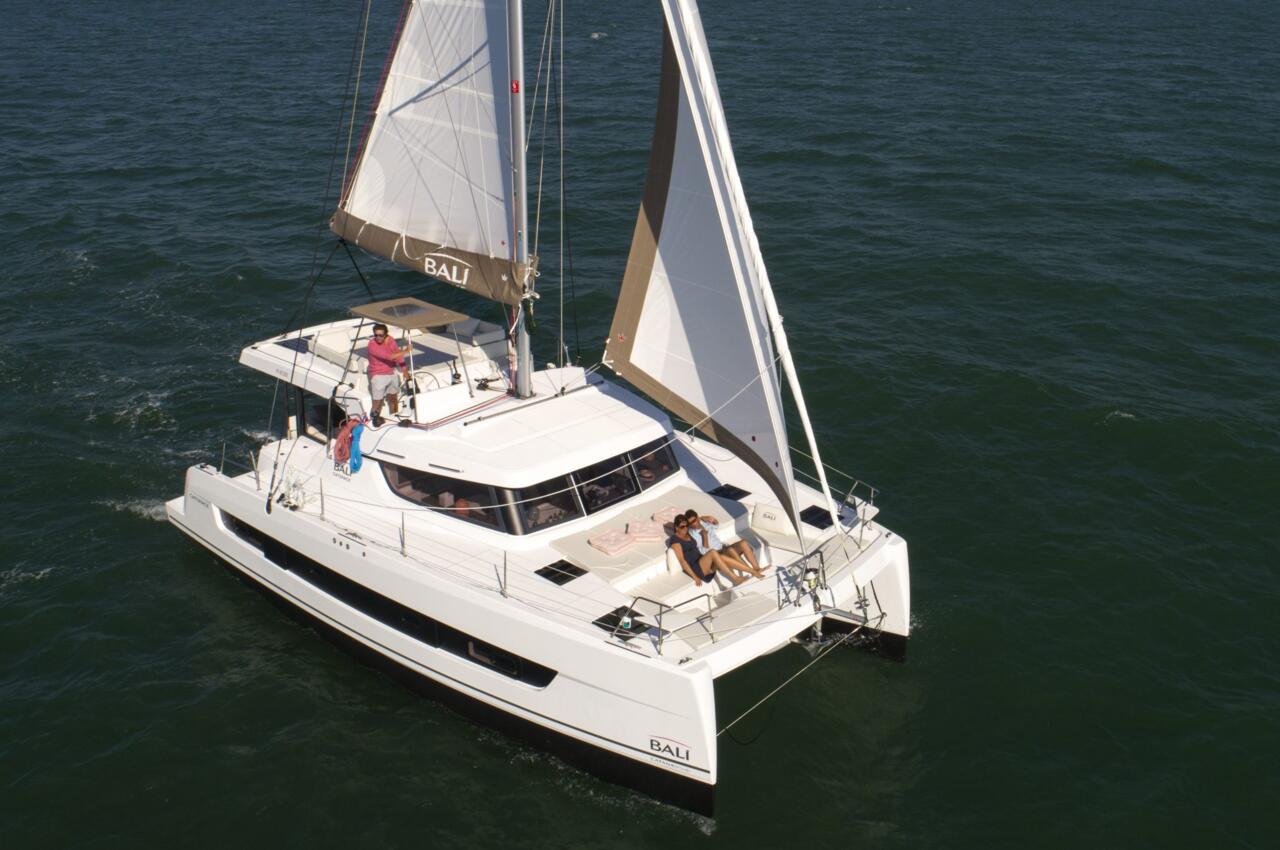
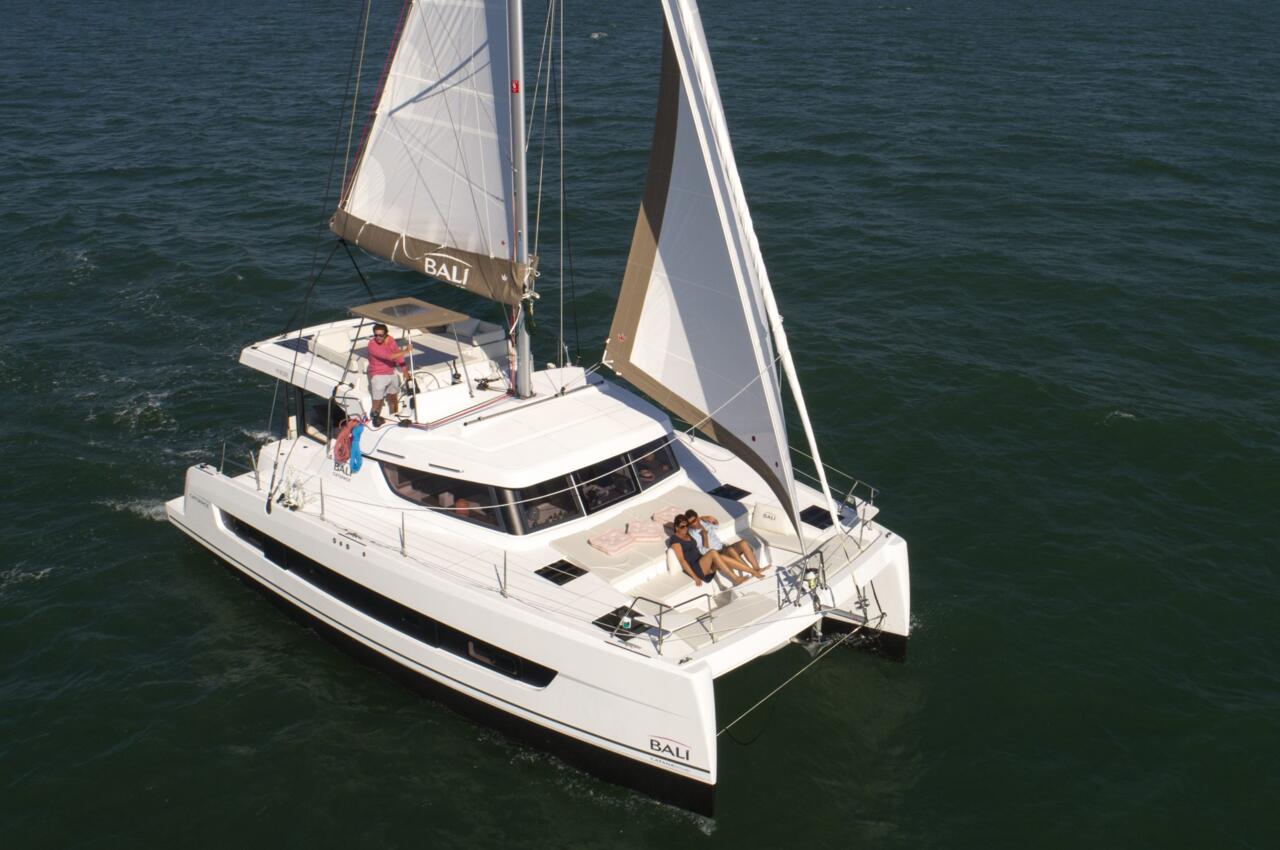
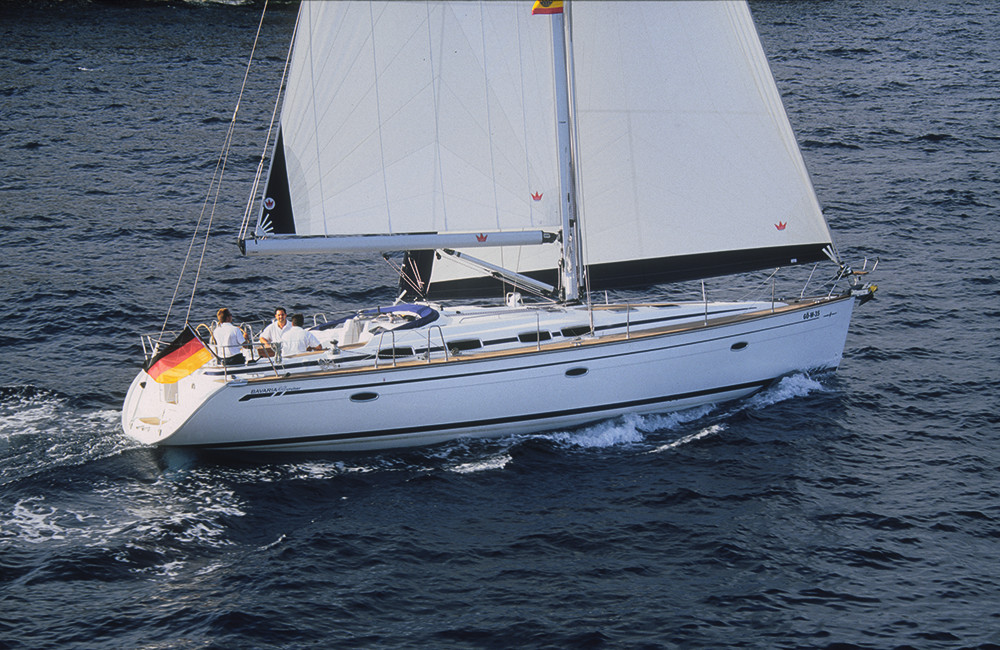
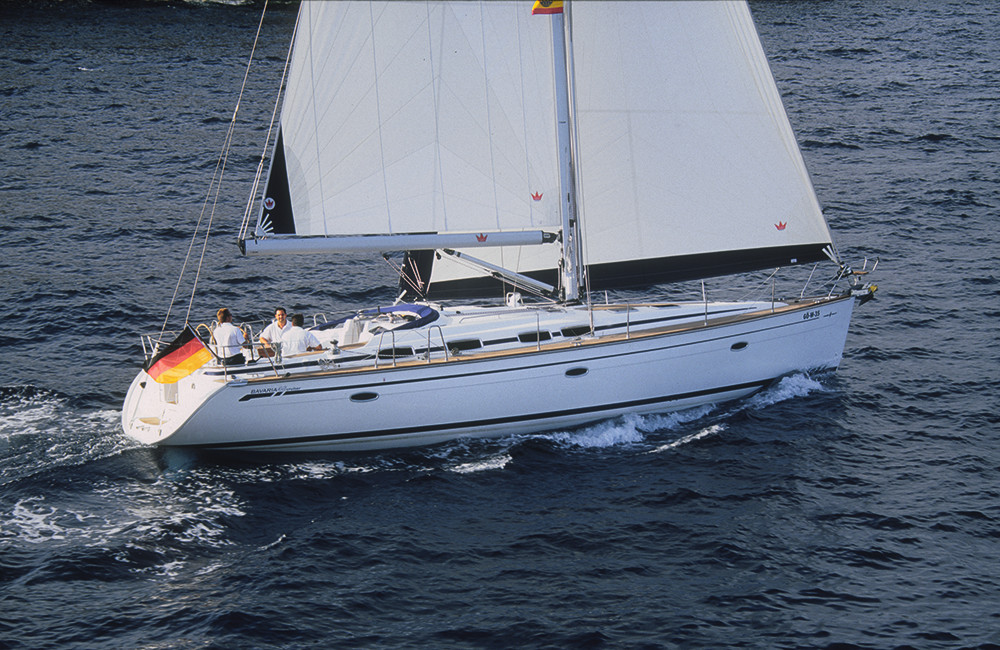
Bareboat is the default across all four areas for anyone holding a recognised sailing qualification; skippered charter suits guests without one, or anyone who'd rather not handle marina fees, mooring lines and local paperwork themselves. Catamarans are widely available in the Balearics and the Canaries, popular with families for the deck space and shallow draught; monohulls are more common in Catalonia and around Alicante. Week-long charters are the standard booking; shorter weekend hops and day charters are easy to arrange from the busier Balearic bases, less so from the smaller Canary Islands and Alicante fleets.
05
Costs
Weekly bareboat rates vary a great deal by boat size, area and season — a small monohull booked in low season costs a fraction of a crewed catamaran in August. Expect a meaningful premium, often 30-50% above shoulder-season rates, at the height of summer. On top of the charter fee, budget for provisioning, fuel, and marina or mooring fees at each stop, plus skipper costs if you're not sailing bareboat. Price on request for specific boats and dates — message us on WhatsApp with your crew size and travel dates and we'll get you an accurate quote.
06
A week aboard
One way to spend seven days in the Balearics, as an example of the pace rather than a fixed itinerary:
Day 1 — Pick up the boat in Palma, provision, motor out to Portals Vells for a first, easy anchor.
Day 2 — Short hop south-east to Cala Pi; long swim, short sail.
Day 3 — Round the coast to Cala d'Or, refuel, walk the marina town in the evening.
Day 4 — Cross to Cabrera (permit required) or push on to Colonia de Sant Jordi if the wind's against you.
Day 5 — North to Porto Cristo; visit the caves if the swell allows a landing.
Day 6 — Alcúdia Bay, the last big anchorage before turning back.
Day 7 — Return to Palma, clean the boat, hand back before your afternoon slot.
Catalonia, Alicante and the Canaries each suit their own version of this — shorter coastal hops on the mainland, longer open-water legs in the Canaries.
07
Getting there
Palma de Mallorca and Ibiza both have international airports with direct flights from most of northern Europe through the season; Barcelona serves the Catalan bases directly, and Alicante airport is close to the Costa Blanca marinas. The Canary Islands have their own airports on Tenerife and Gran Canaria, entirely separate from the mainland and Balearic routes — treat a Canaries charter as a different trip logistically, not an add-on to a Balearics booking. Marina check-in is typically early afternoon; aim to arrive with daylight to spare for the handover briefing.
Live fleet
Yachts sailing from Spain.
160 yachts · page 1 of 4

Auri
Crewed
Palma de Mallorca, Spain
−20% · Last minuteWenny
Bareboat
Ibiza, Spain
−20% · Last minuteHakuna
Bareboat
Ibiza, Spain
−20% · Last minuteLe Villi
Bareboat
Ibiza, Spain

Escape
Bareboat
Mallorca, Spain
−20% · Last minuteTiraminelli
Bareboat
Palma de Mallorca, Spain

Albert
Bareboat
Mallorca, Spain
−20% · Last minuteCancelli del Cielo
Bareboat
Ibiza, Spain

Mastermind
Crewed
Marina Port Ibiza, Spain
−20% · Last minuteLa Boheme
Bareboat
Ibiza, Spain
−20% · Last minuteTurandot
Bareboat
Ibiza, Spain
−20% · Last minutenavégame
Bareboat
Ibiza, Spain
−20% · Last minuteAruna
Bareboat
Tenerife, Spain
−20% · Last minuteCristina
Bareboat
Tenerife, Spain

Levante
Bareboat
Palma de Mallorca, Spain
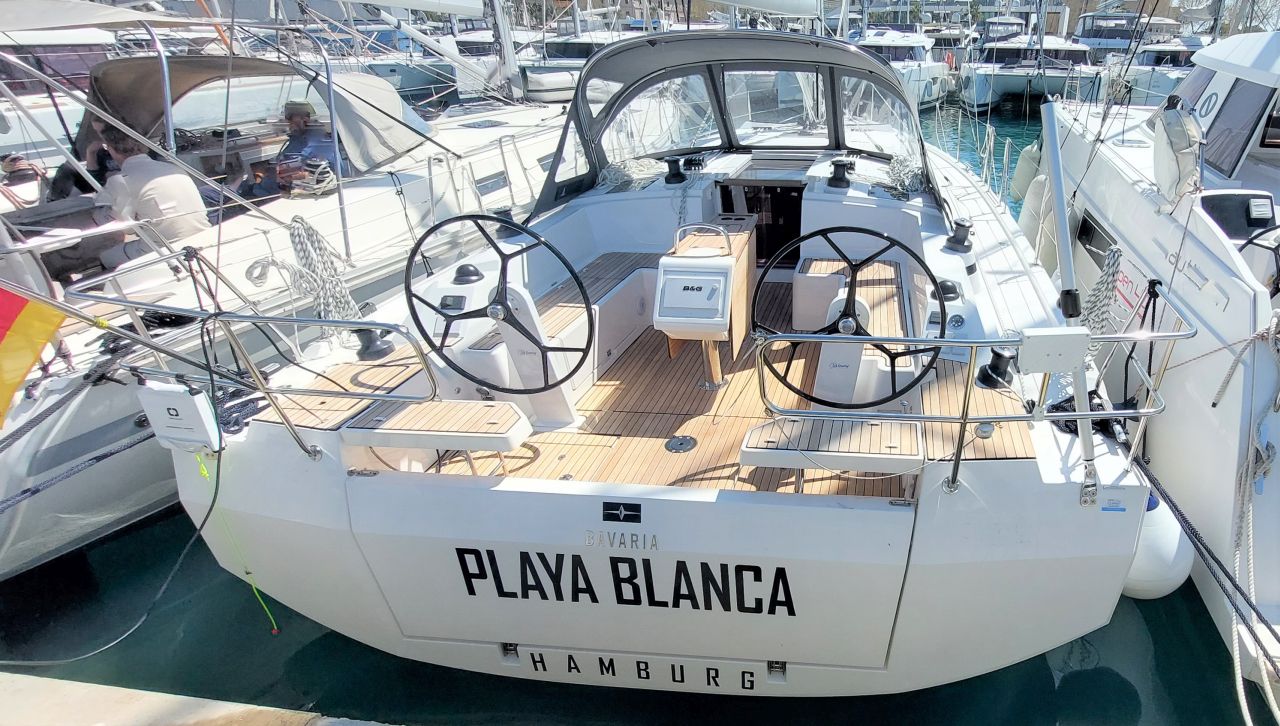
−20% · Last minutePlaya Blanca
Bareboat
Palma de Mallorca, Spain

Ostwind II
Bareboat
Mallorca, Spain

Blue Eyes
Bareboat
Palma de Mallorca, Spain

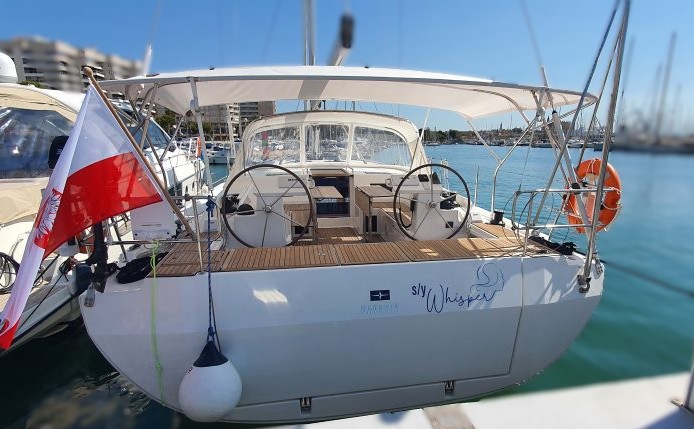
Whisper
Bareboat
Mallorca, Spain

Ostwind III
Bareboat
Mallorca, Spain

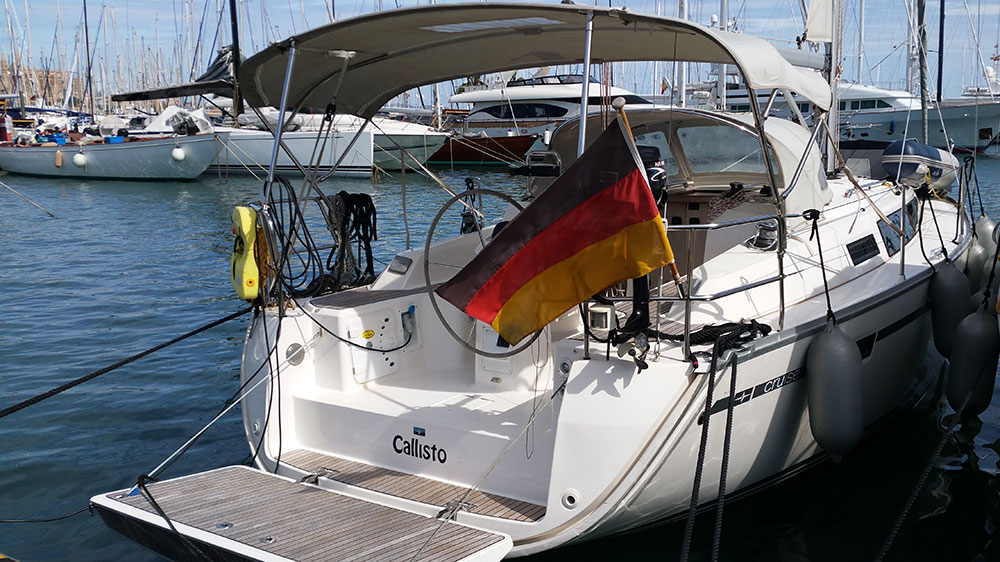
Callisto
Bareboat
Arenal/Playa de Palma, Spain

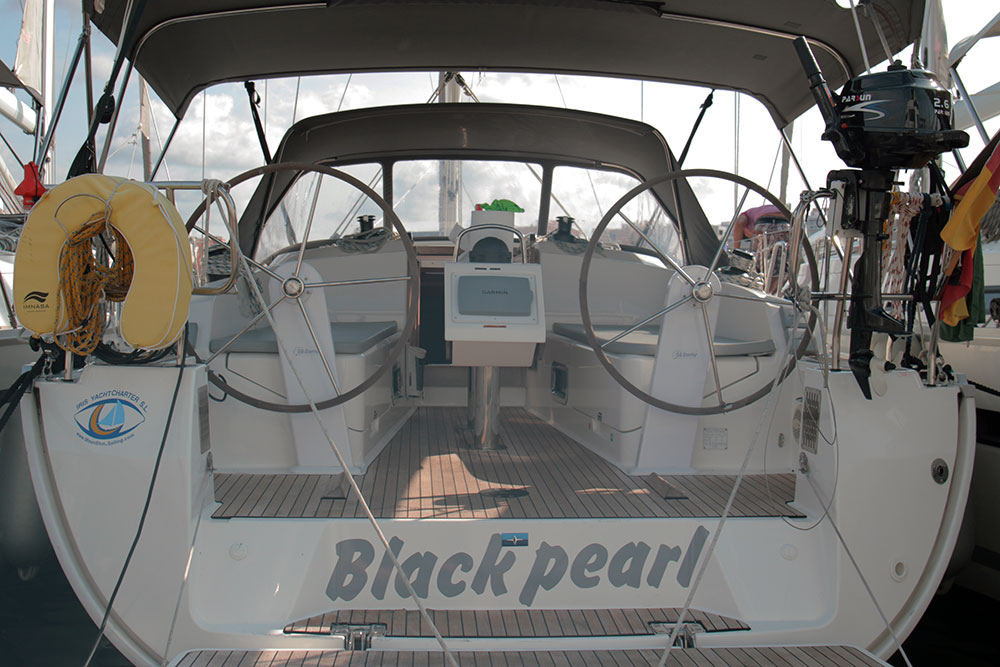
Black Pearl
Bareboat
Arenal/Playa de Palma, Spain

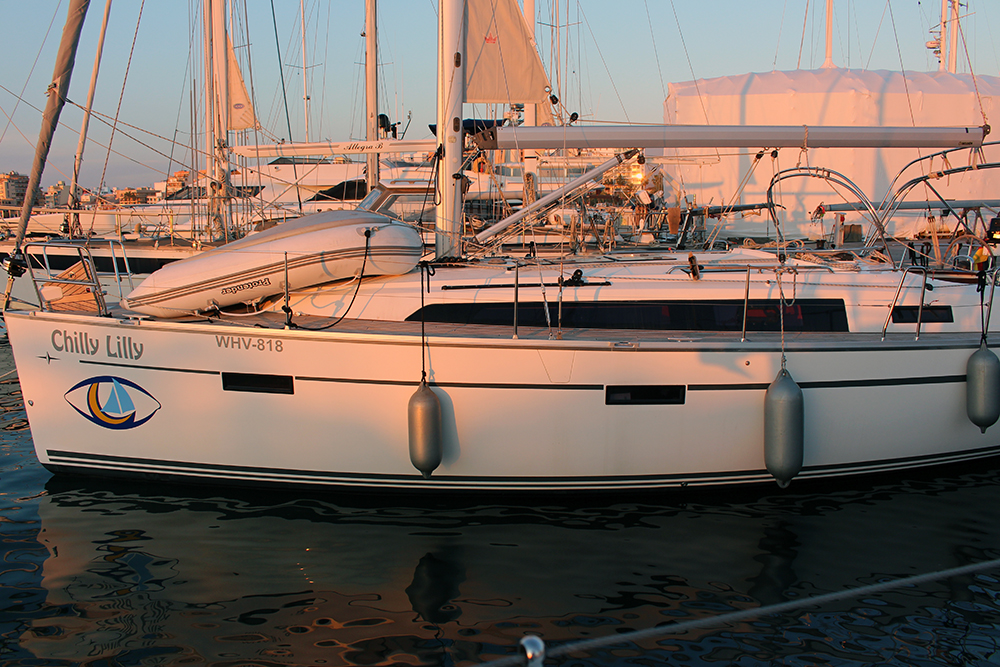
Chilly Lilly
Bareboat
Arenal/Playa de Palma, Spain

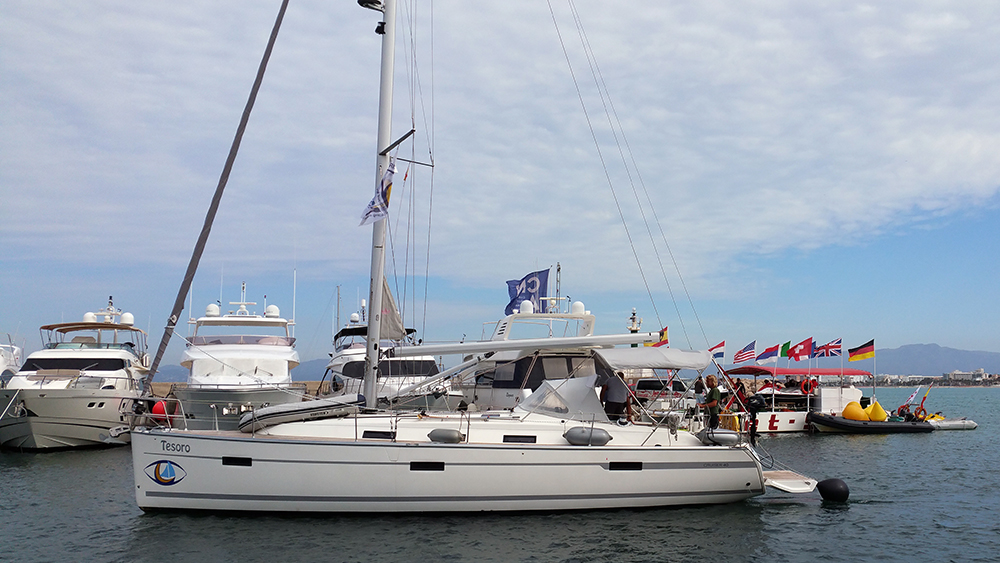
Tesoro
Bareboat
Arenal/Playa de Palma, Spain
−20% · Last minuteAtlantica
Bareboat
Palma de Mallorca, Spain

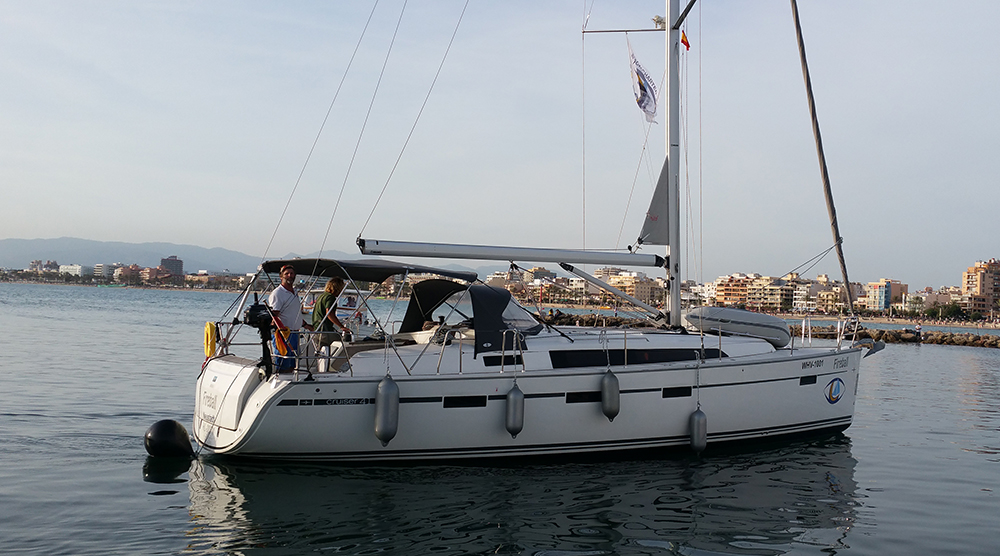
Fireball
Bareboat
Arenal/Playa de Palma, Spain
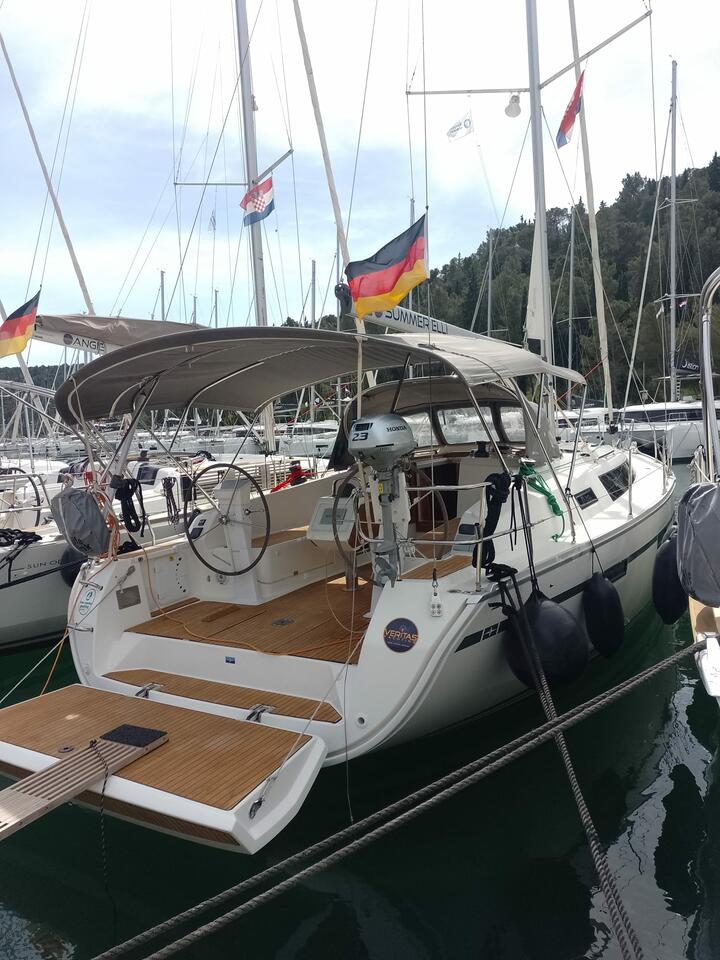
−20% · Last minuteSummer elli
Bareboat
Palma de Mallorca, Spain

Bintan
Bareboat
Palma de Mallorca, Spain

Jaleo
Bareboat
Palma de Mallorca, Spain
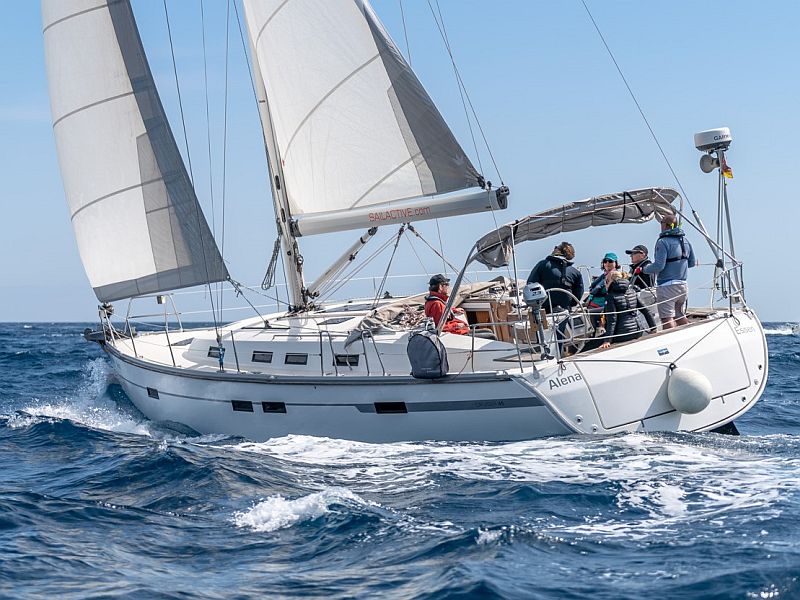
−20% · Last minuteAlena
Bareboat
Palma de Mallorca, Spain

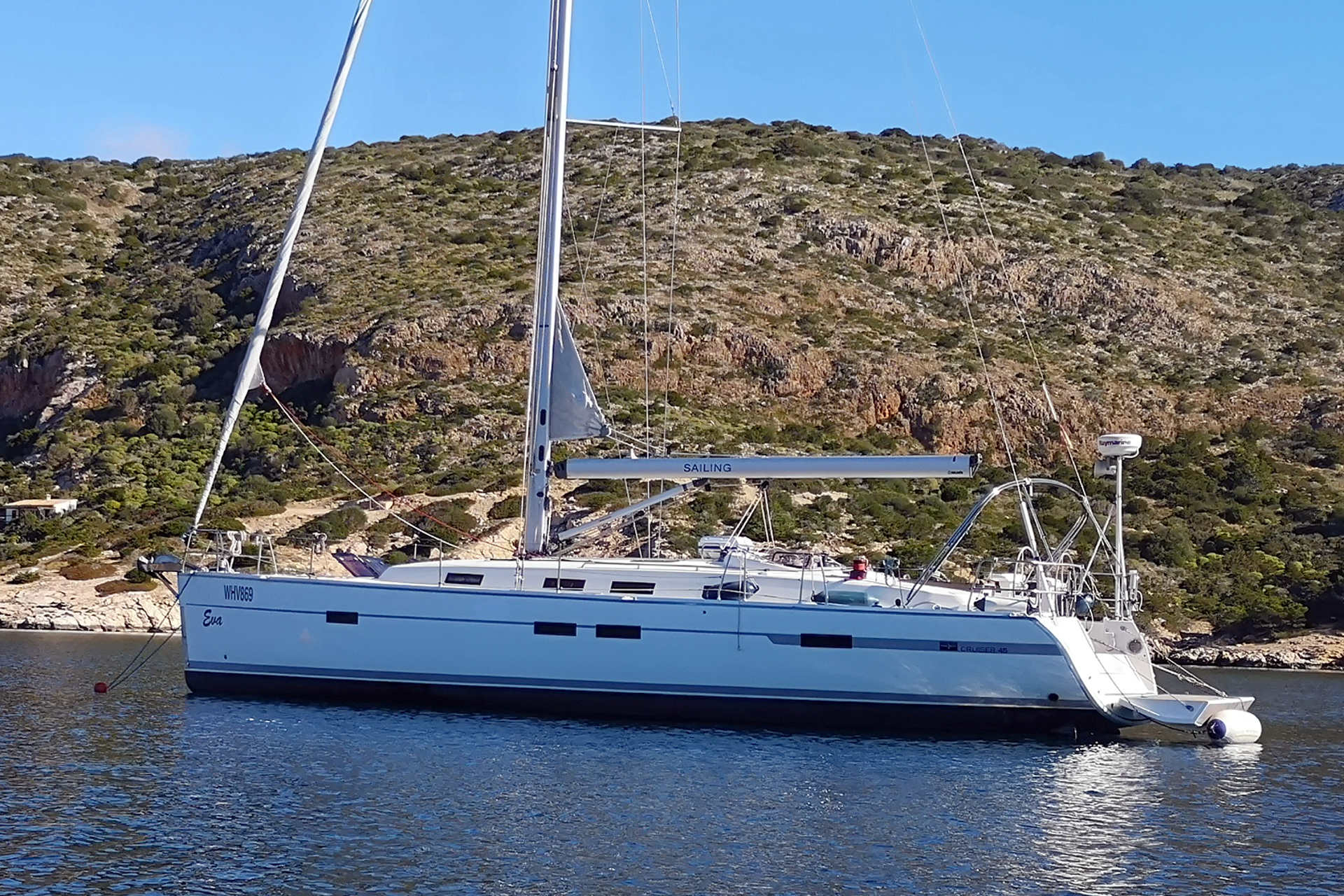
Eva
Bareboat
Palma de Mallorca, Spain

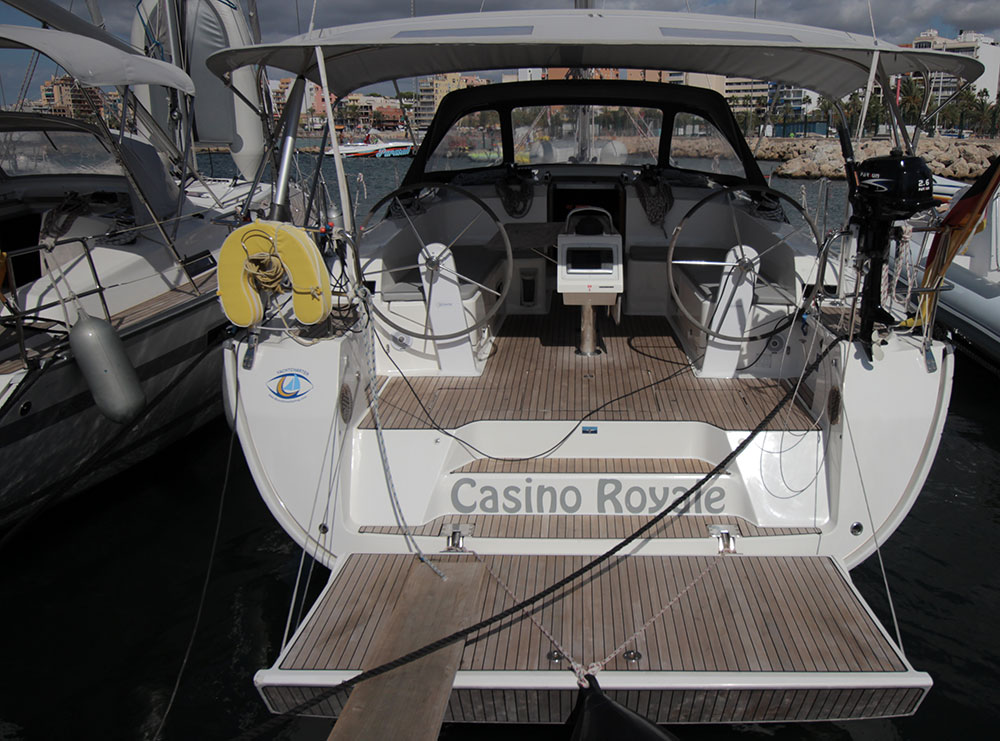
Casino Royale
Bareboat
Arenal/Playa de Palma, Spain

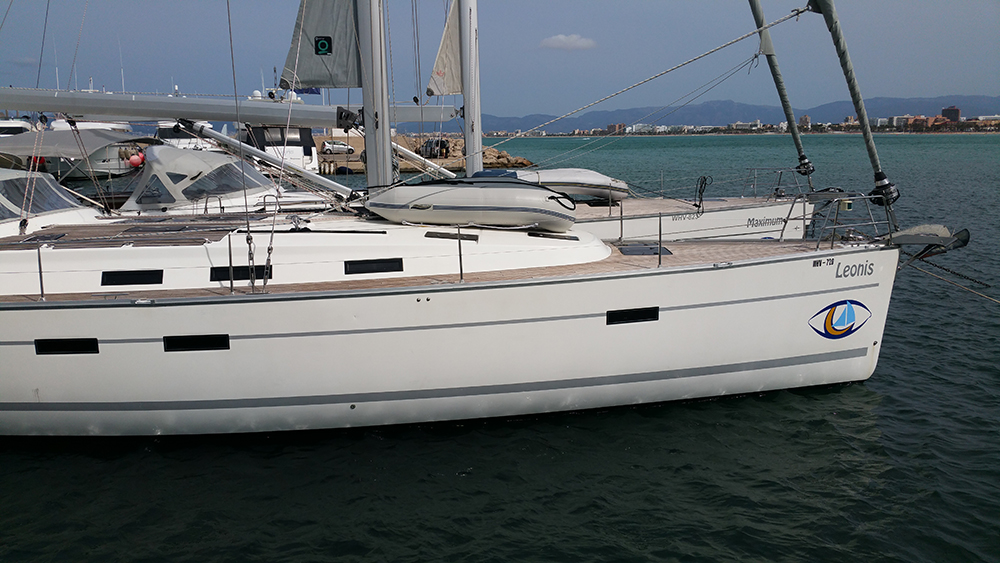
Leonis
Bareboat
Arenal/Playa de Palma, Spain

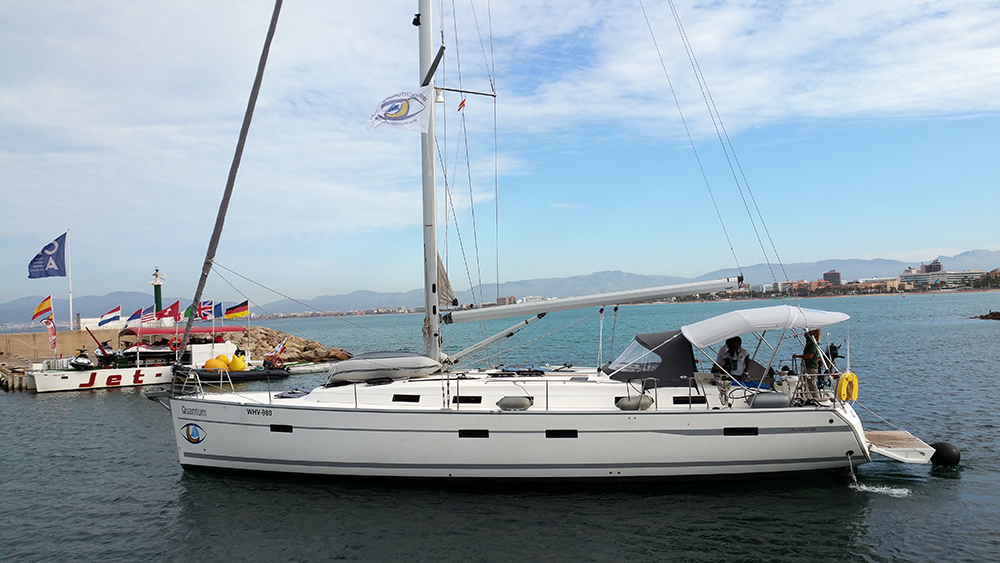
Quantum
Bareboat
Arenal/Playa de Palma, Spain

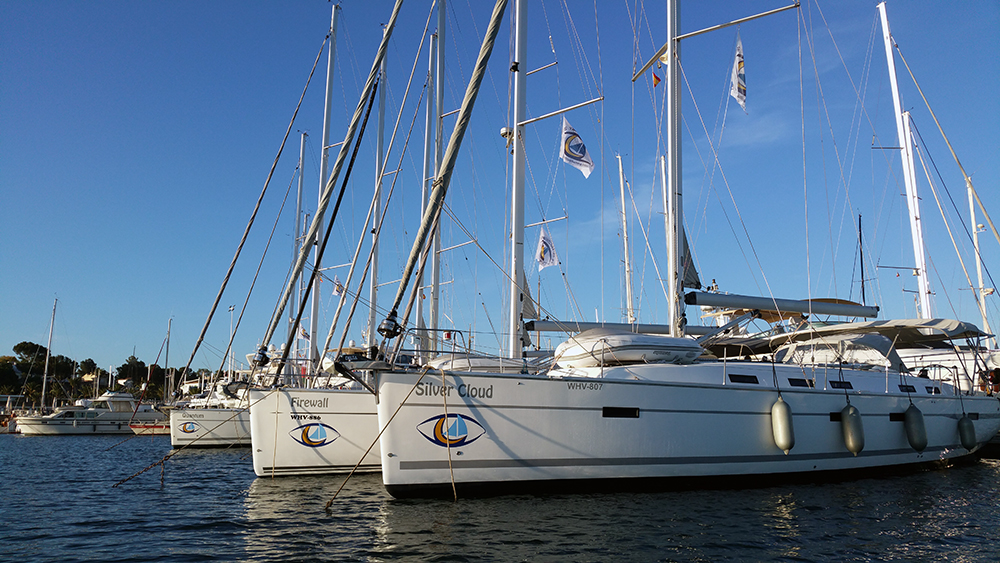
Silver Cloud
Bareboat
Arenal/Playa de Palma, Spain

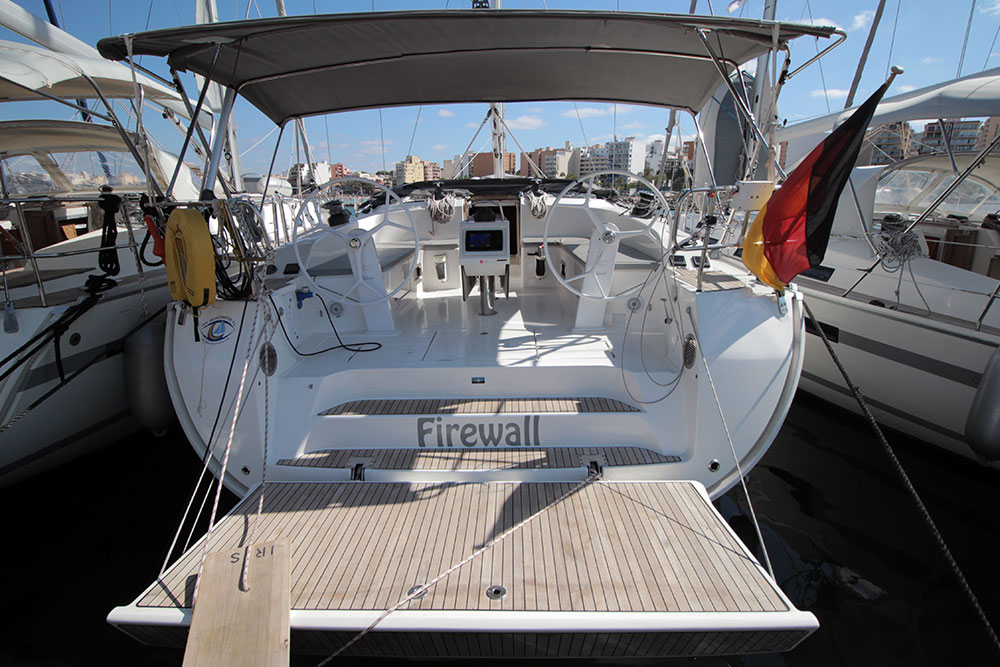
Firewall
Bareboat
Arenal/Playa de Palma, Spain
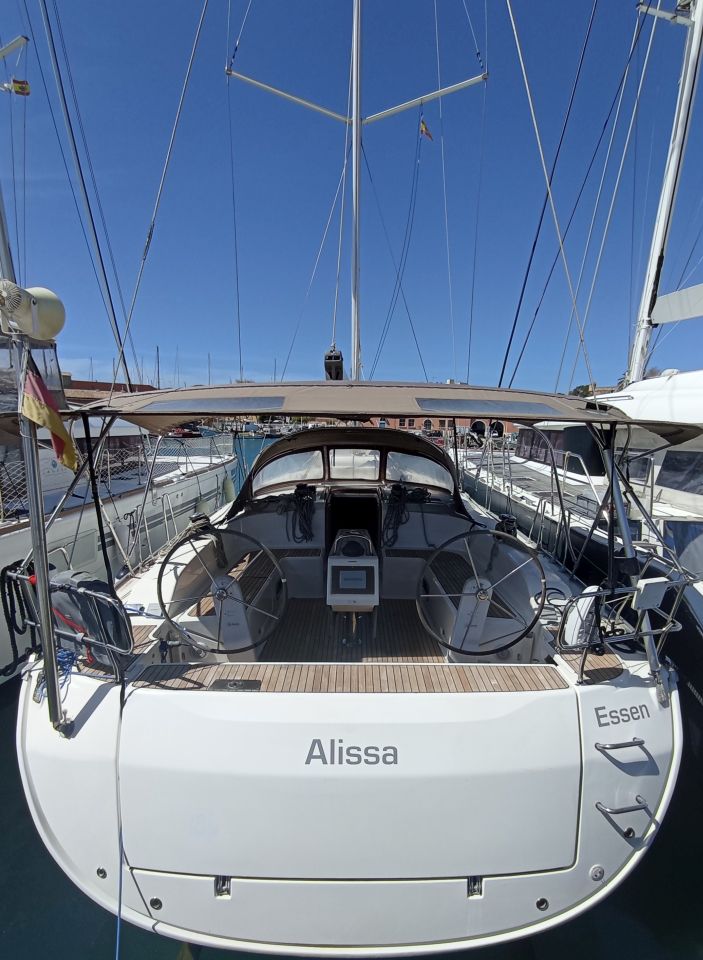
−20% · Last minuteAlissa
Bareboat
Palma de Mallorca, Spain

Papaya
Bareboat
Tenerife, Spain

Maximum
Bareboat
Arenal/Playa de Palma, Spain

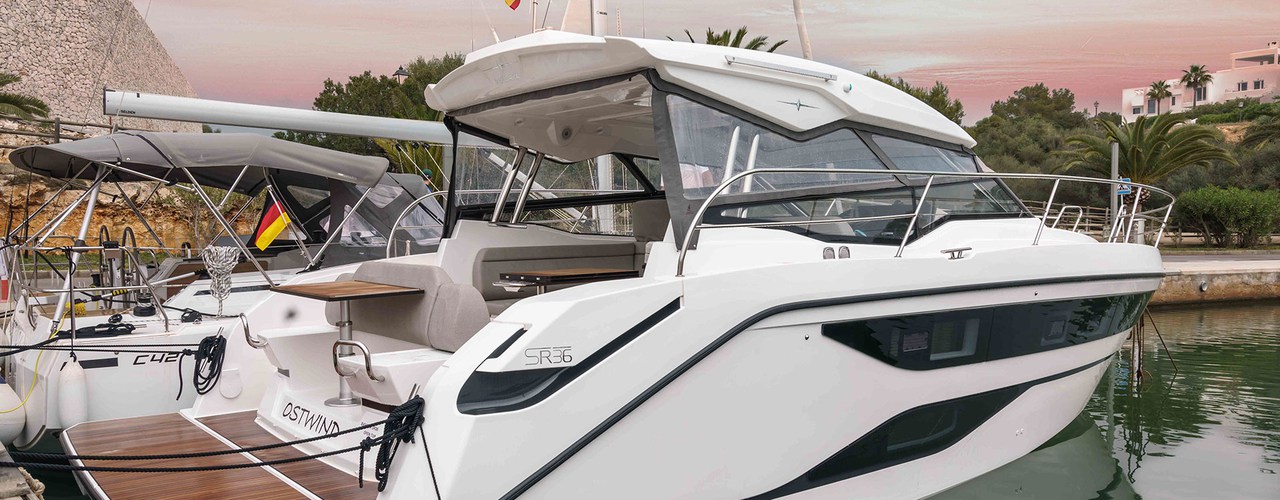
Ostwind
Bareboat
Mallorca, Spain
−20% · Last minuteUpaya
Bareboat
Port Olímpic de Barcelona, Spain
−20% · Last minuteBitelchus
Bareboat
Port Olímpic de Barcelona, Spain

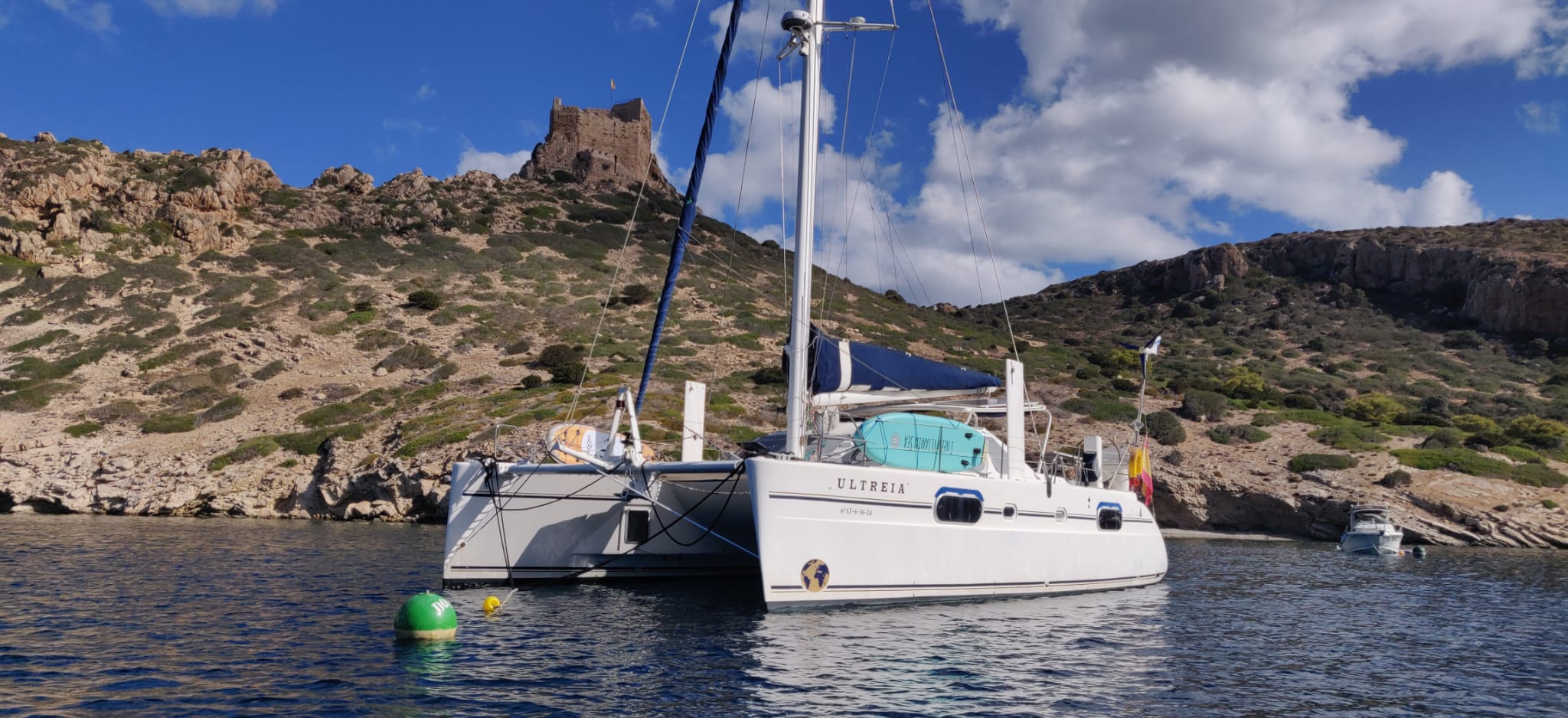
Ultreia
Bareboat
Palma de Mallorca, Spain

Sargantal Zulu
Bareboat
Palma de Mallorca, Spain

Little Moana
Bareboat
Marina Port Ibiza, Spain
−20% · Last minuteMentholad
Bareboat
Ibiza, Spain

Gimme! Gimme!
Bareboat
Palma de Mallorca, Spain

Rubin
Bareboat
Mallorca, Spain
Spain
Practical information
Emergency contacts
National Police
Local Police
Guardia Civil
Medical emergencies
Sea rescue (Salvamento Marítimo)
At sea, call 900 202 202 or hail Salvamento Marítimo on VHF channel 16 — Spain's rescue coordination centres monitor it around the clock, Balearics included.
Visa & entry requirements
Spain is in the EU and the Schengen Area. EU/EEA citizens enter with a valid ID card or passport. Citizens of many other countries — including the UK, US, Canada and Australia — get up to 90 visa-free days in any 180-day period under the Schengen rules; other nationalities need a Schengen visa in advance. Non-EU passports must be issued within the last ten years and valid for at least three months beyond your planned departure from Schengen.
Border crossings now run through the EU Entry/Exit System (EES): non-EU visitors register fingerprints and a photo at the border, and your 90 days are counted digitally rather than by passport stamp, so budget them across every Schengen country on the same trip. Spanish border officers can also ask for a return ticket, accommodation details and proof of funds. Rules change — check your own government's travel advice before you fly.
Getting there
The Balearics are among Europe's easiest charter grounds to reach. Palma de Mallorca (PMI) is Spain's third-busiest airport and one of Europe's busiest each summer, with direct flights from across the continent; Ibiza (IBZ) and Menorca's Mahón (MAH) add dense seasonal networks of their own. Most Balearic charter bases sit within 30–60 minutes of one of the three.
On the mainland coast, Barcelona (BCN), Valencia (VLC), Alicante (ALC) and Málaga (AGP) cover the costas — all major international airports with year-round schedules. Out of season the island routes thin while Palma and the mainland hubs keep operating, worth knowing for early- and late-season charters.
Time zone & daylight saving
Mainland Spain and the Balearics run on Central European Time (CET, UTC+1), switching to CEST (UTC+2) with the rest of the EU — clocks go forward on the last Sunday of March and back on the last Sunday of October. The IANA zone is Europe/Madrid. Only the Canary Islands differ, sitting one hour behind — the famous "una hora menos en Canarias".
Practically: your charter keeps the same time as France, Italy, Germany and Croatia, one hour ahead of the UK and Ireland, six ahead of US Eastern. A whole charter week normally sits inside one time regime — only late-October charters catch the clock change. Spanish daily rhythm runs late by northern standards; restaurants fill from 21:00.
Currency & exchange
Spain uses the euro — it was a founding eurozone member, so prices have been in euros for a generation. ATMs are everywhere on the coast and in the islands, and banks and reputable exchange chains handle anything else; skip the airport and hotel desks, whose rates are consistently the worst on offer.
Two habits save money. Withdraw from ATMs attached to real banks (Santander, BBVA, CaixaBank) rather than the standalone tourist machines — Spanish banks typically surcharge foreign cards €2–5 per withdrawal, and the independent machines in tourist streets charge at the top of that range with worse rates. And when any terminal offers to charge you in your home currency, decline it and pay in euros; that "dynamic currency conversion" rate is never in your favour.
Payment methods
Everything is priced and paid in euros, and cards are near-universal: Visa and Mastercard work in supermarkets, fuel docks, marinas, restaurants and ticket machines, with contactless standard — taps under €50 don't even ask for a PIN. Spanish law restricts large cash payments (the general per-transaction cap is €1,000 when a business is involved), so card is the default for anything substantial.
Carry some cash all the same: small tapas bars, market stalls and kiosks in the smaller ports can be cash-only, and a terminal in a remote cala can simply be offline. Withdraw from bank-attached ATMs — Spanish banks surcharge foreign cards €2–5 per withdrawal, and the standalone Euronet machines charge more — and always choose to pay in euros when a terminal offers your home currency.
Tipping culture
Spain is a low-tipping country. Service staff are salaried, nothing is expected, and locals mostly round up or leave small coins. In restaurants, 5–10% for good service is a generous gesture rather than a rule; in cafés and bars, rounding up to the euro or leaving the odd coins is plenty. Taxis: round up the fare, a little more if the driver helped with bags.
Hand tips over in cash even when you pay by card — a tip added to a card payment often never reaches the server. On skippered and crewed charters, a discretionary tip for the crew at the end of a good week is a well-established courtesy; give it directly to the skipper or host.
Cost of living
Spain remains one of Western Europe's better-value coasts — cheaper than the French Riviera or coastal Italy, though the marquee islands charge accordingly. As a guide: a meal in an inexpensive restaurant runs about €15, a three-course mid-range dinner for two around €50 before drinks, a half-litre of draft beer €3, and a cappuccino a little over €2. The weekday menú del día — a fixed-price lunch of two or three courses — is the standing bargain of Spanish eating.
Expect a premium in Ibiza, Palma's smartest quarters and the headline beach clubs, and gentler prices one town along the coast. Markets and supermarkets are excellent value for provisioning the boat.
Sailing regulations & permits
Spain requires a certified skipper on every bareboat charter. Foreign visitors are covered by an ICC (International Certificate of Competence) or an equivalent recognised national qualification — RYA Day Skipper practical or better is the usual benchmark — and enforcement is real in the Balearics, where charter companies check and log your licence before handing over the boat. Spanish residents charter on the national titulación system (PER and up); as a visitor you don't need a Spanish licence, just a valid recognised one plus, for the radio, a VHF operator's certificate on board.
Most operators also ask for a short sailing CV showing you've handled a similar-sized yacht. Third-party liability insurance on the yacht is required by Spanish law and comes included with the charter; the company prepares the boat's papers and crew list with you at check-in. Licence specifics for skippering yourself live on our bareboat pages.
Substances & laws
The legal age to buy and be served alcohol is 18 across all of Spain, and bars and shops in tourist areas do check ID. Recreational drugs are illegal — public possession or use draws heavy fines even for small amounts, so don't bring anything aboard. Drinking in the street is banned in many municipalities, and parts of the Balearic resorts add local restrictions on top.
Arriving from another EU country, you can carry generous personal-use amounts of alcohol and tobacco (indicative levels: up to 800 cigarettes and 10L of spirits). From outside the EU the allowances drop sharply — roughly 200 cigarettes, 1L of spirits and 4L of wine, age 17+. Prescription medication is fine for personal use; keep it in its original packaging and carry the prescription or a doctor's note for anything containing controlled substances.
Fishing regulations
Recreational sea fishing in Spain requires a licence — tourists included, whether you cast from the shore or troll a line from the boat. Licences are issued by the regions: the Balearic licence covers shore fishing across Mallorca, Menorca, Ibiza and Formentera, and fishing from a private boat needs the boat-fishing variant. Both are bought online without residency requirements, and fines for fishing unlicensed run from about €60 into the thousands with gear confiscation.
Spearfishing needs its own separate permit, and species rules apply — minimum sizes, daily limits and closed seasons for some fish and shellfish. If you join a licensed fishing charter, the operator's paperwork usually covers you. Planning to fish on passage? Buy the licence before you slip the lines.
Wildlife protection laws
Spanish law protects the Mediterranean's headline species. Royal Decree 1727/2007 sets hard rules around whales and dolphins: keep at least 60m clear, approach no faster than 4 knots and never head-on, and never feed, touch, chase or swim with them — if they cross your bow, hold course and speed and let them choose. Sea turtles are protected too, and the posidonia seagrass meadows the Balearics are famous for are legally protected habitat (see conservation).
Marine reserves dot the coast — Cabrera National Park south of Mallorca is the flagship, navigable only with a permit and on its own mooring buoys. Inside any reserve, anchoring, fishing and diving are restricted; check the rules before you enter and give protected zones their space.
Insurance requirements
The yacht itself comes insured: hull cover plus third-party liability is part of every charter. Your financial exposure for damage is capped at the security deposit — typically €2,000–4,000 or more on a 40–50ft yacht, blocked on a credit card at check-in and released after undamaged return. Most operators offer a damage waiver (usually a non-refundable €300–600) that replaces or shrinks the deposit; read the exclusions, because negligence, sailing outside permitted areas and some third-party damage sit outside it.
Two strong recommendations, and we mean them: carry travel insurance with proper medical cover — a GHIC/EHIC helps EU/UK visitors in Spain's public system but is not an alternative to insurance, and private resort clinics won't accept it — and take holiday-cancellation insurance when you book. We do not insure charters or holidays; cancellation cover is the only thing that protects your payment if life intervenes.
Emergency contacts
All emergencies (EU-wide): 112 — free from any phone, English-speaking operators in tourist regions
National Police: 091
Local Police: 092
Guardia Civil: 062
Medical emergencies: 061
Sea rescue (Salvamento Marítimo): 900 202 202
At sea, call 900 202 202 or hail Salvamento Marítimo on VHF channel 16 — Spain's rescue coordination centres monitor it around the clock, Balearics included.
Healthcare & hospitals
Spanish healthcare is among the best in Europe, with a strong public system and a dense private sector in the tourist areas. Every charter coast has serious hospitals close by: Son Espases in Palma is the Balearics' top-ranked hospital, Barcelona's Hospital Clínic ranks among the world's best, and private clinics such as Quirónsalud Palmaplanas and Clínica Rotger serve Mallorca's visitors. Pharmacies (farmacias) are everywhere in the sailing towns, with a rotating farmacia de guardia open overnight in the cities.
EU and UK visitors can use an EHIC/GHIC in the public system, but tourist-area clinics are often private and won't take it — another reason travel insurance with medical cover is essential rather than optional. In an emergency dial 112 and ask for an ambulance.
Vaccinations
No vaccinations are required to enter Spain. Health authorities recommend being current on routine vaccines (MMR, tetanus-diphtheria, polio, flu, COVID-19), with hepatitis A and B suggested for many travellers. Rabies vaccination is only a conversation for people planning high-risk animal contact — not a charter itinerary.
Check advice about eight weeks before you travel (CDC, or TravelHealthPro for UK travellers) in case recommendations change. Use insect repellent for evenings ashore — Spain has sandflies and ticks, and health agencies now note occasional locally transmitted dengue on the Mediterranean coast, so bite avoidance is the sensible habit.
Water drinkability
Tap water in Spain is safe to drink — it meets EU drinking-water standards nationwide, on the mainland and in the Balearics alike. What varies is the taste: island and coastal-resort supply is often partly desalinated and heavily mineralised, so it can taste salty, chalky or of chlorine without being any less safe. That's why you'll see locals carrying the big 8-litre garrafa bottles from the supermarket.
Aboard, the yacht's tank water is fine for washing and cooking; for drinking, most crews buy bottled water for taste alone. A few rural spots have historical nitrate issues in private wells — a non-issue on a charter, where you'll be drinking town or bottled water.
Environmental hazards
The Balearics are forgiving waters with one wind to respect: the Tramontana, a cold north wind that funnels down from the Gulf of Lion with little warning, hits Menorca and Mallorca's north coast hardest, and in a sustained blow can gust 70–80 km/h and build 4–5 metre swell in the open channels. It is usually well forecast — check the forecast every morning, take warnings seriously, and when Tramontana blows, tuck into the excellent natural shelter at Maó or Fornells or keep to the southern lees. Summer's normal pattern is far gentler: light mornings and an afternoon sea breeze.
In the water, the main nuisance is the mauve stinger jellyfish, which drifts through in swarms some summers — its sting burns painfully but passes, and beach flags and local jellyfish alerts tell you when a bay is affected. Rinse a sting with seawater, not fresh water, and seek help only for children or allergic reactions. Watch the forecast, watch the flags, and Spanish waters are as safe as Mediterranean sailing gets.
Weather & best seasons
The Spanish Mediterranean season runs from April to October. July and August bring hot, settled weather and warm seas — and the biggest crowds and prices, especially around Mallorca and Ibiza. May, June and September are the charterers' pick: steady 5–15 knot breezes, warm water by early summer, and berths easier to find. September is often the smartest month of all — the sea is at its warmest and prices soften after peak.
Most summer days sail on a reliable afternoon thermal sea breeze that builds towards midday and fades by evening. The wind to respect is the tramontana, a strong northerly that funnels across Menorca and Mallorca's north coast, mostly outside high summer and usually well forecast. Past patterns are a guide, not a promise — always sail to the current forecast.
Sunrise & sunset by season
The Balearics get long sailing days in season: around 15 hours of daylight at midsummer against about 9.5 in midwinter. In June and July, Palma sees sunrise near 6:20am and sunset after 9:15pm — Spain sits on Central European Time despite its westerly longitude, which pushes sunsets usefully late for a post-passage swim. By October the days shorten fast, so plan legs earlier in the day.
For exact times at your harbour and week, check a per-city table such as timeanddate.com or gaisma.com — they cover Palma, Ibiza, Mahón and the mainland ports.
Conservation tips
One rule towers over the rest here: never anchor on posidonia. The Balearic government's Posidonia Decree (25/2018) made the islands the first Mediterranean region to ban anchoring on seagrass outright — patrol boats check anchorages daily in season, will ask you to move, and damage to the meadows carries fines that can reach six figures. Anchor on sand (it shows pale turquoise against the dark seagrass), or pick up one of the regulated buoys laid in the most sensitive bays — colour-coded by boat length and bookable online in places like the Pitiusas.
The rest is standard good seamanship: take rubbish ashore to marina bins, use pump-outs rather than discharging near anchorages, choose reef-safe sunscreen, and leave anything living where you found it. The meadows are why Balearic water looks the way it does — the oxygen, the clarity and the calm bottoms all trace back to the posidonia.
Language & cultural tips
Spanish (Castilian) is the official language nationwide. In the Balearics, Catalan is co-official — you'll see it on signs and hear its local forms (mallorquín, menorquín, ibicenco) in town — and the same goes for Catalonia and the Valencia region on the mainland coast. English is widely spoken wherever charters go: marinas, restaurants and shops in tourist areas manage easily, and younger Spaniards generally speak some.
A few words of Spanish open doors: hola (hello), gracias (thank you), por favor (please). Adjust your clock — lunch runs 2–4pm, dinner rarely starts before 9pm, and many kitchens simply aren't open at 6pm. Meals are unhurried, the bill arrives only when you ask for it, and a greeting on entering a small shop or bar is basic good manners.
History & culture
Spain's sailing pedigree is hard to overstate: this is the country that bankrolled Columbus and sent Magellan west — the expedition Juan Sebastián Elcano brought home in 1522 as the first circumnavigation of the world. The Mediterranean side of the story is older still, and you can moor within a short walk of it: Barcelona's Gothic royal shipyards (the Drassanes) house the Maritime Museum and a full-scale replica of the royal galley that led the fleet at Lepanto in 1571.
The Balearics themselves have been a seafarers' crossroads for millennia — Palma's cathedral rises straight above the old harbour approaches, and Menorca's Mahón holds one of the Mediterranean's great natural harbours, fought over by every naval power of the age of sail. History here comes with a berth attached.
National holidays & closures
Spain's holiday calendar allows up to 14 public holidays per municipality — around nine national dates plus regional and local ones, so an island fiesta can close a town the mainland is working through. The nationwide fixtures are New Year, Epiphany (6 January), Good Friday, 1 May, the Assumption (15 August), National Day (12 October), All Saints (1 November), Constitution Day (6 December), Immaculate Conception (8 December) and Christmas.
The one that lands mid-charter-season is 15 August: banks, offices and many shops close nationwide, while restaurants and services in tourist areas largely carry on. Supermarket opening on holidays varies by region and even by store, so if a holiday falls in your week, provision the day before.
Dress code & what to pack
Life aboard is casual, but Spain draws a hard line at the waterline: swimwear is for the beach, pool and boat only. Barcelona and several Balearic municipalities fine people caught in bikinis or shirtless in town streets — the fines run to hundreds of euros — and some Palma seafront restaurants refuse entry in swimwear or football shirts. Smart-casual is plenty for dinner ashore; in churches and cathedrals, cover shoulders and knees.
Pack in a soft bag (lockers, not wardrobes) and think layers: even in high summer a Tramontana evening turns cool, so bring a light windproof jacket and a warm layer. Non-marking deck shoes or clean trainers for on board — scuff marks can come out of your deposit — sandals for town, a wide-brimmed hat, polarised sunglasses, high-SPF sunscreen and a power bank round out the essentials.
Mobile & internet coverage
Coverage on Spain's sailing coasts is strong. Movistar, Vodafone and Orange all run solid 4G along the mainland coast and across the Balearics, with 5G in most towns and tourist areas — Movistar is the most consistent pick in the islands. Expect thinner signal in remote calas, inland hills and on open-water crossings, and slower speeds in July and August when the Balearic networks carry several times their winter load.
EU/EEA SIMs roam like at home in Spain under EU rules — no roaming charges beyond your domestic plan's fair-use caps. Visitors from elsewhere can activate a Spanish or EU eSIM online before flying. Working aboard is realistic in most anchorages; download charts and entertainment before a day in the quieter coves.
Electricity & plug types
Spain uses the standard continental European system: 230V at 50Hz, with type C and type F (Schuko) sockets. EU visitors plug straight in; travellers from the UK, Ireland, the US, Australia and most of Asia and the Americas need a simple adapter. Dual-voltage electronics (anything marked "INPUT: 100–240V" — phones, laptops, cameras) only need the adapter; single-voltage 110V appliances like hair dryers also need a converter or are best left at home.
Aboard, yachts run 12V USB charging under way and 230V sockets when connected to shore power in a marina. Charge the big batteries — laptops, drones, camera packs — on marina nights, and bring a power bank for days at anchor.
What's the best time for a yacht charter in Spain?
Do I need a sailing licence to charter a yacht in Spain?
Where should a first-time charterer in Spain start?
How much does a week's yacht charter cost in Spain?
Is Spain a good yacht charter destination for families?
What's the difference between sailing the Balearics and the Canary Islands?
Can I combine several Spanish sailing areas in one trip?
Where can I sail in Spain?
What kind of yachts are available in Spain?
How do I get a quote?
By the cabin
Cabin cruises in Spain
Scheduled crewed cruises — book by the cabin and share the yacht with a small group.
More cabin cruises
Other departures you can join, wherever you fancy sailing.
€3,500per personCroatia and Montenegro Cruise
Lagoon 46 - 4 + 2 cab. · crewed
Dubrovnik region, Croatia
€1,090per personModul B - Dufour 460 GL - Athi
Dufour 460 GL · crewed
Šibenik region, Croatia
€1,090per personModul B - Dufour 460 GL - Vellamo
Dufour 460 GL - 5 cab. · crewed
Šibenik region, Croatia
€4,000per personPearl of the Adriatic Cruise
Kaptan Sevket · crewed
Montenegro, Montenegro
€3,600per person8-Day Corsica Catamaran Cruise
Corsica, France
€3,600per person8-Day La Ciotat Catamaran Cruise
Lagoon 570 · crewed
Provence-Alpes-Côte d'Azur, France

Instant quotes, fast replies
Email us — we come back fast
Send the dates, the group and the sea you have in mind. Real boats with real prices come back the same day, usually within hours.
- Three matched boats, priced, in your inbox the same day
- Advice from sailors who know the boats and the waters
- Email or WhatsApp — reply by whichever suits you
- No spam, ever
Talk to an expert