British Virgin Islands · Caribbean
Sail British Virgin Islands.
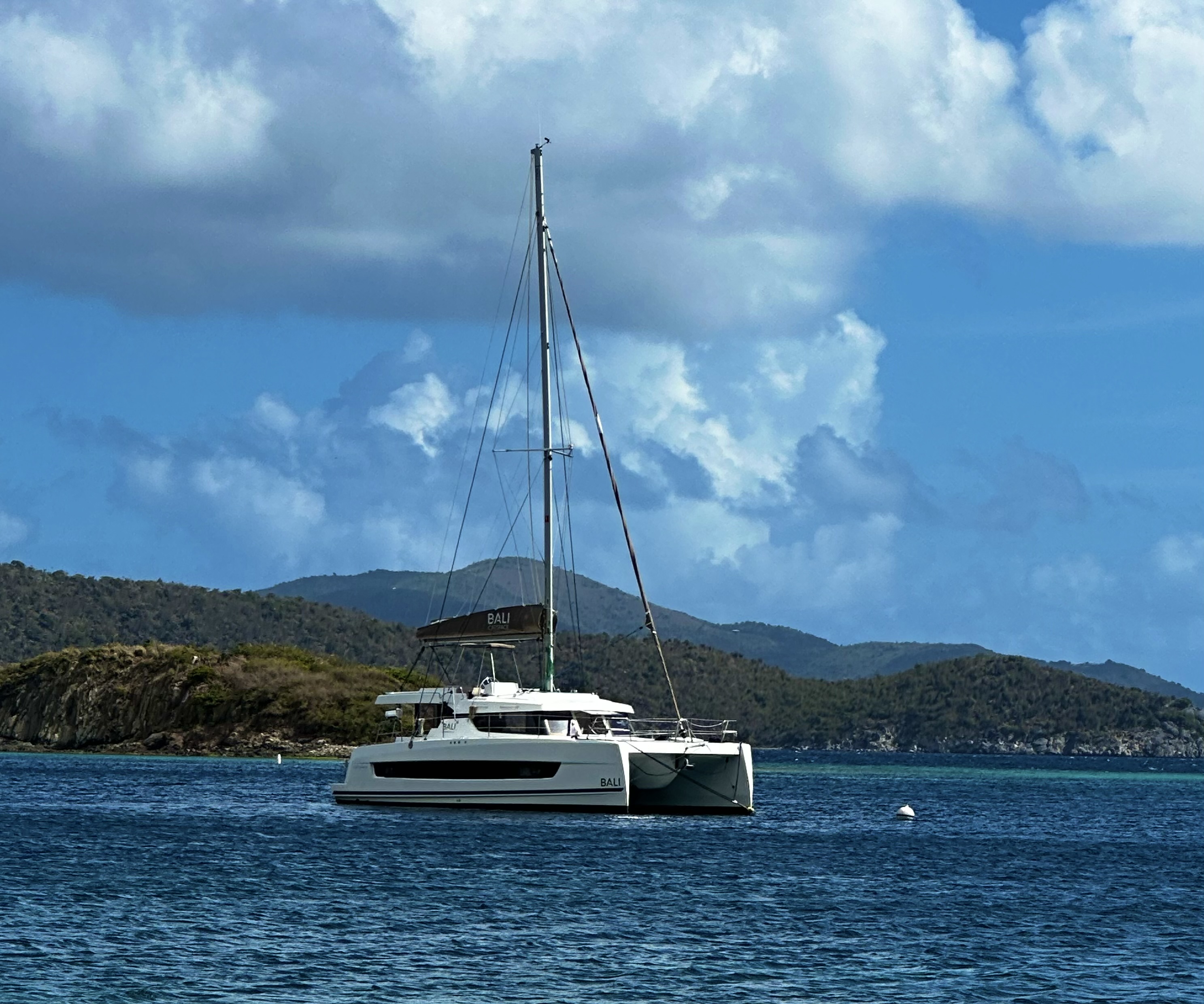
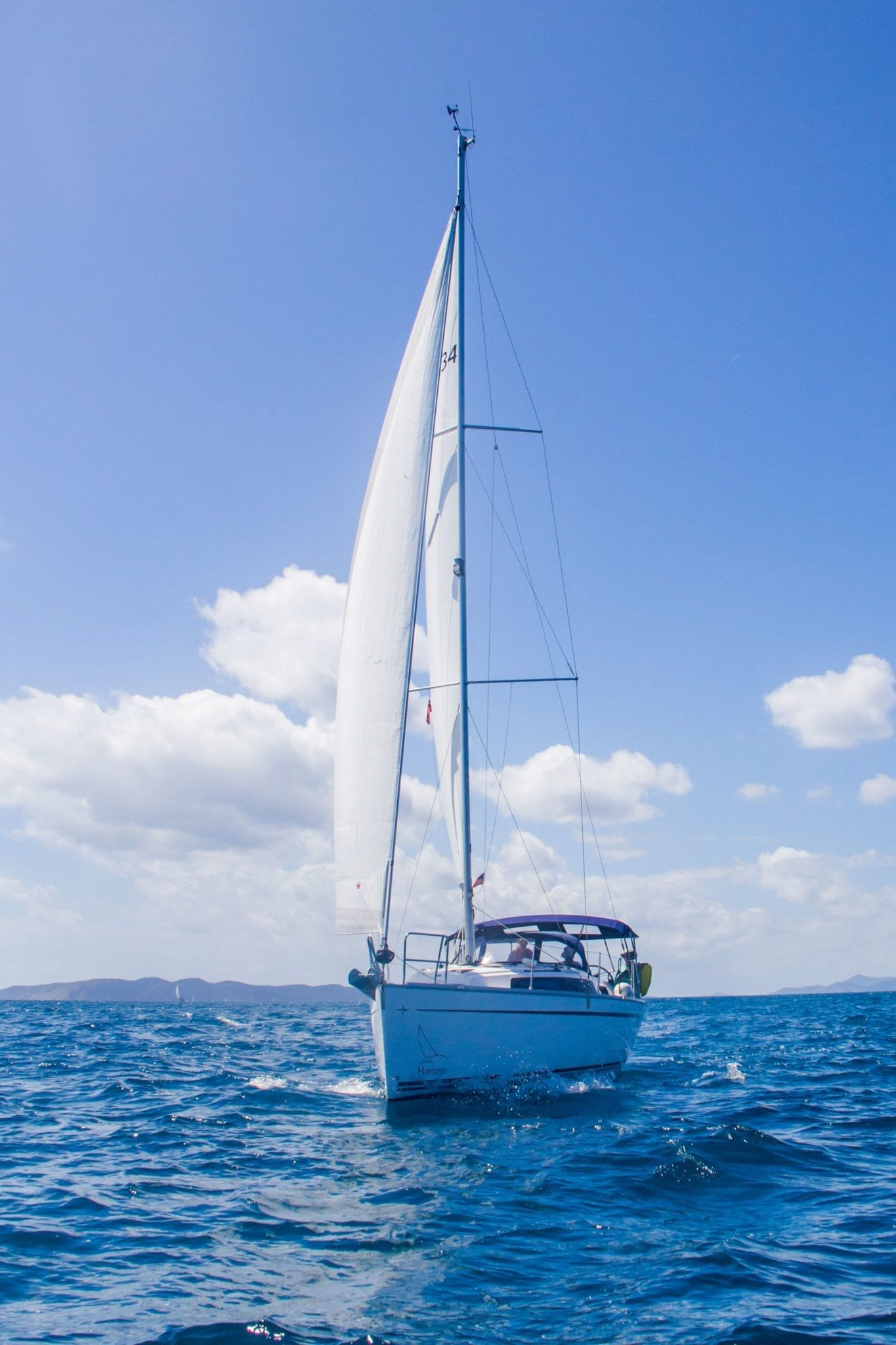
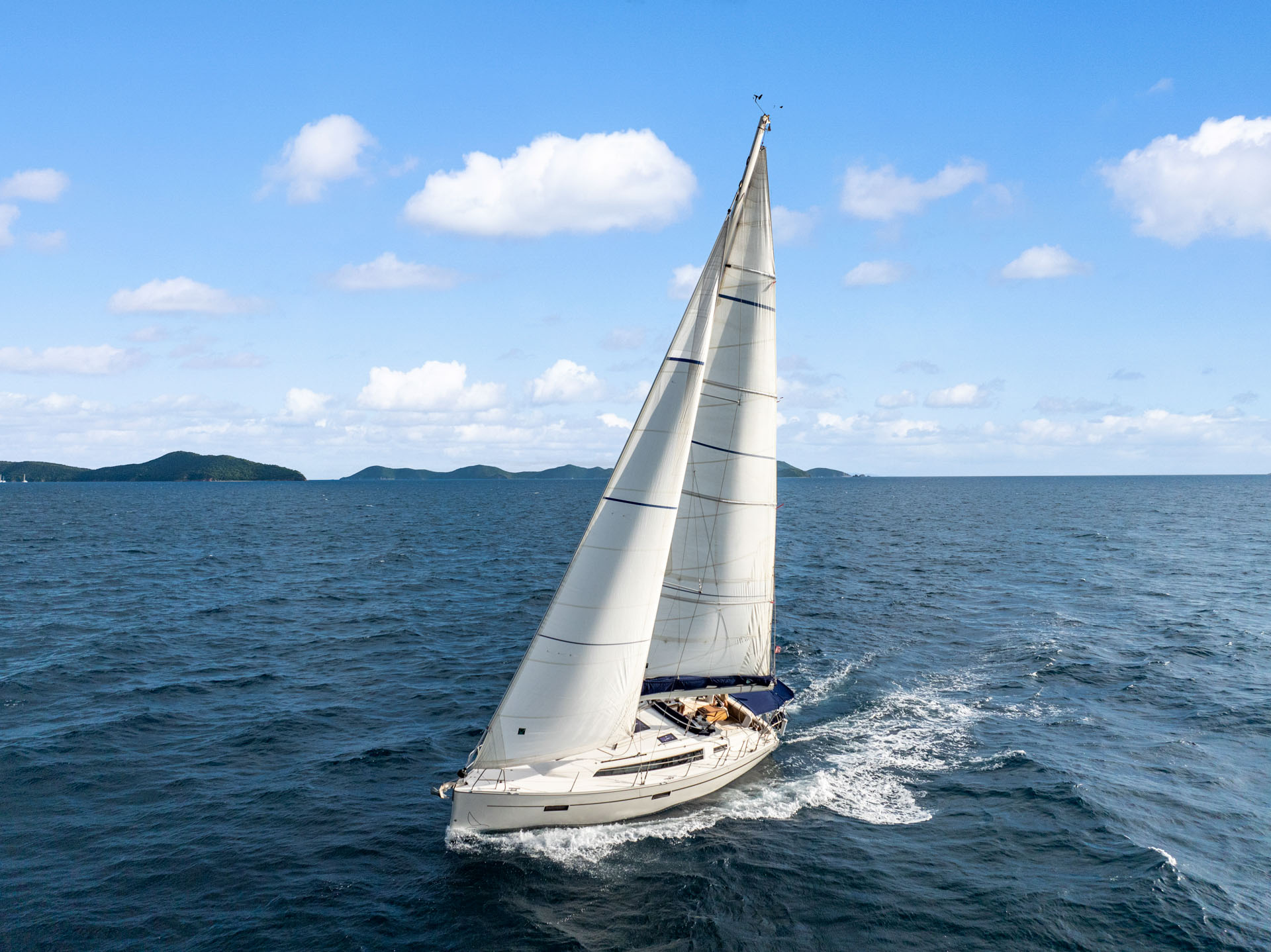
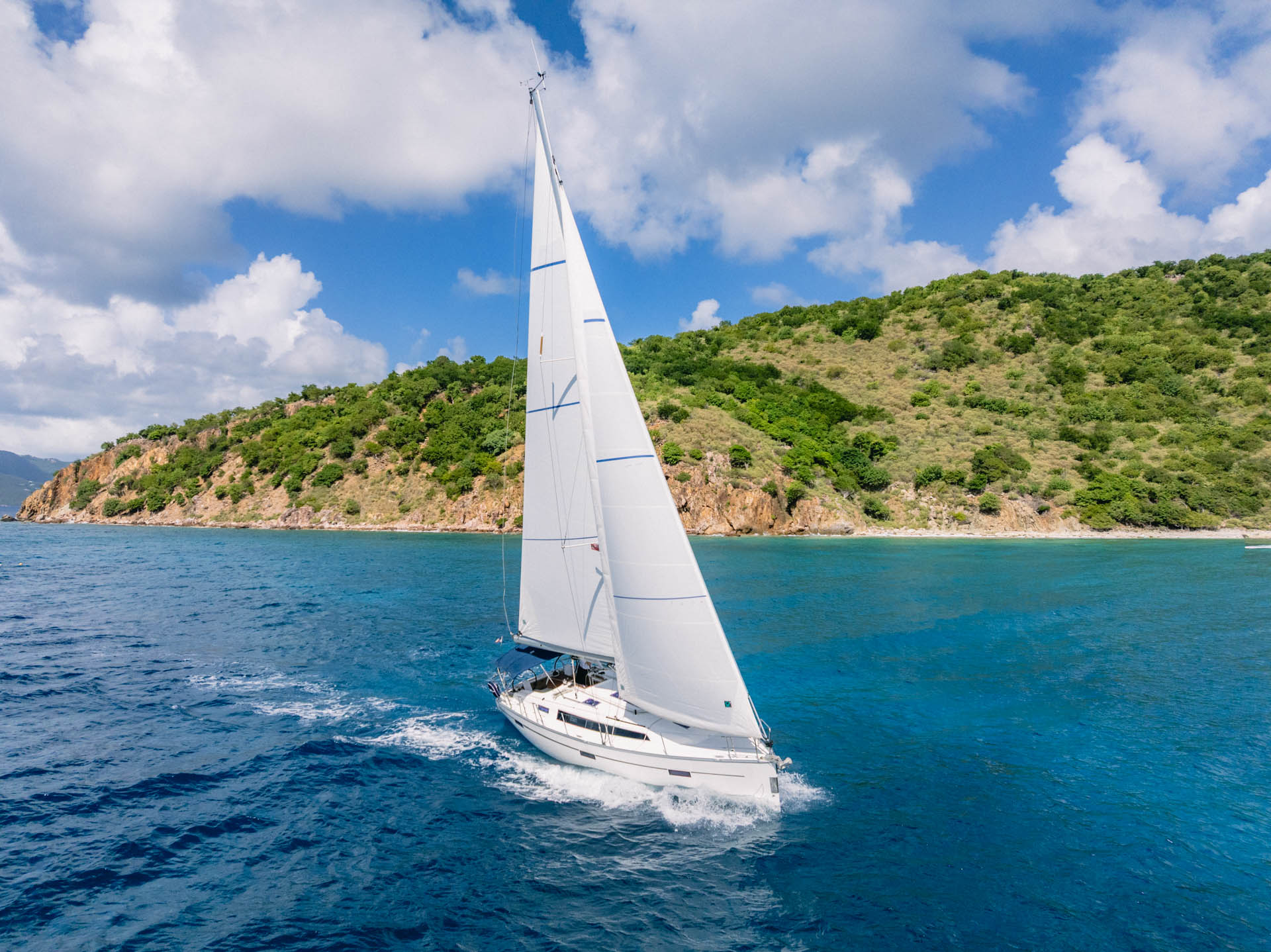
Yacht charter British Virgin Islands: short hops, steady trade winds and a new anchorage every night across Tortola, Virgin Gorda and Jost Van Dyke.
British Virgin Islands — Yacht Charter
1 area · November–July
01
Why sail the BVI
Everything here is close. You can see your next island before you've finished breakfast on this one. That compresses a week into a proper trip: short daysails, long lunches at anchor, snorkelling before the wind picks up in the afternoon. The water is clear enough to see the anchor dig in from the cockpit. It's forgiving sailing — line of sight navigation, short passages, and a mooring buoy or a bar within reach if the plan changes halfway through the day. Good for a first bareboat charter, good for families who don't want six-hour beats to windward, less interesting if you're chasing open-ocean miles or a real navigational challenge.
02
Sailing areas and harbours
Most charters start on Tortola, at Road Town or one of the marinas along the south shore, and work the Sir Francis Drake Channel — the sheltered stretch of water between Tortola and Virgin Gorda that gives the BVI its reputation for easy sailing. From there it's short hops to Norman Island, Peter Island, Cooper Island and on to Virgin Gorda's Gorda Sound, a wide anchorage well protected from the swell. Jost Van Dyke and Anegada sit further out on the edge of the cruising ground — Jost is a straightforward reach from Tortola, while Anegada needs a settled forecast and decent light for the reef approach, so it's usually a mid-week addition rather than a first stop.
03
Season and winds
The charter season runs essentially year-round. December to April brings steady 15-20 knot north-east trade winds, low humidity and the best water clarity for snorkelling — also the busiest and priciest weeks on the calendar. May and June ease off, with lighter and more variable wind and thinner crowds. Hurricane season runs June to November, with the real risk concentrated in August, September and October; operators watch the tropics closely through that window and will reroute or postpone around a named storm rather than sail through one.
04
Charter types
Bareboat is the default here — the channel is sheltered enough that competent sailors manage without a skipper, and marked moorings in most anchorages make navigation straightforward for anyone with prior charter experience. Crewed monohulls and catamarans suit guests who'd rather be looked after than trim sheets, with a skipper and often a cook aboard. Skippered bareboats — your choice of boat, a hired captain for the week — sit in between, and are the usual route in in for people without a charter resume yet. Multi-cabin catamarans dominate bookings for families and groups travelling together.
05
What it costs
Bareboat weekly rates vary with boat size, season and how far ahead you book — Christmas, New Year and Easter weeks run well above the summer average, and boats fill early for those dates. Crewed charters run to a different structure entirely: a base rate plus skipper, provisioning and gratuities on top, generally quoted per week for the whole boat rather than per person. Exact figures depend on the boat and the dates you want — price on request once you've picked a season and a boat size, and we'll put a real number against it.
06
A week aboard
A realistic loop, not a fixed itinerary — weather and mood usually rewrite it by day three.
Day 1 — Pick up the boat at Road Town or Nanny Cay, provision, and make the short sail across to Norman Island for the first night.
Day 2 — Snorkel the Indians in the morning, then a short hop round to The Bight for a swim off the back of the boat.
Day 3 — North to Cooper Island or Peter Island, an easy reach with the trades on the beam most of the way.
Day 4 — Across to Virgin Gorda: the Baths at first light, then on to Gorda Sound for the night.
Day 5 — A downwind run to Jost Van Dyke, anchor off Great Harbour, dinner at Foxy's.
Day 6 — Round to Cane Garden Bay on Tortola's north shore for a beach day and a change of scenery.
Day 7 — A short sail back to base and a boat handover in the afternoon.
07
Arrival and logistics
Most guests fly into Beef Island near Tortola via San Juan or a connection through St Thomas, then take a short taxi to the marina. Guests arriving via St Thomas can also take the ferry across to Road Town. Boat handovers are typically early afternoon, preceded by a chart briefing — ask specifically about the reef approach to Anegada, it's the one passage in the islands where local knowledge genuinely matters. Provisioning can usually be arranged in advance through the marina so the fridge is stocked before you step aboard.
Live fleet
Yachts sailing from British Virgin Islands.
174 yachts · page 1 of 4
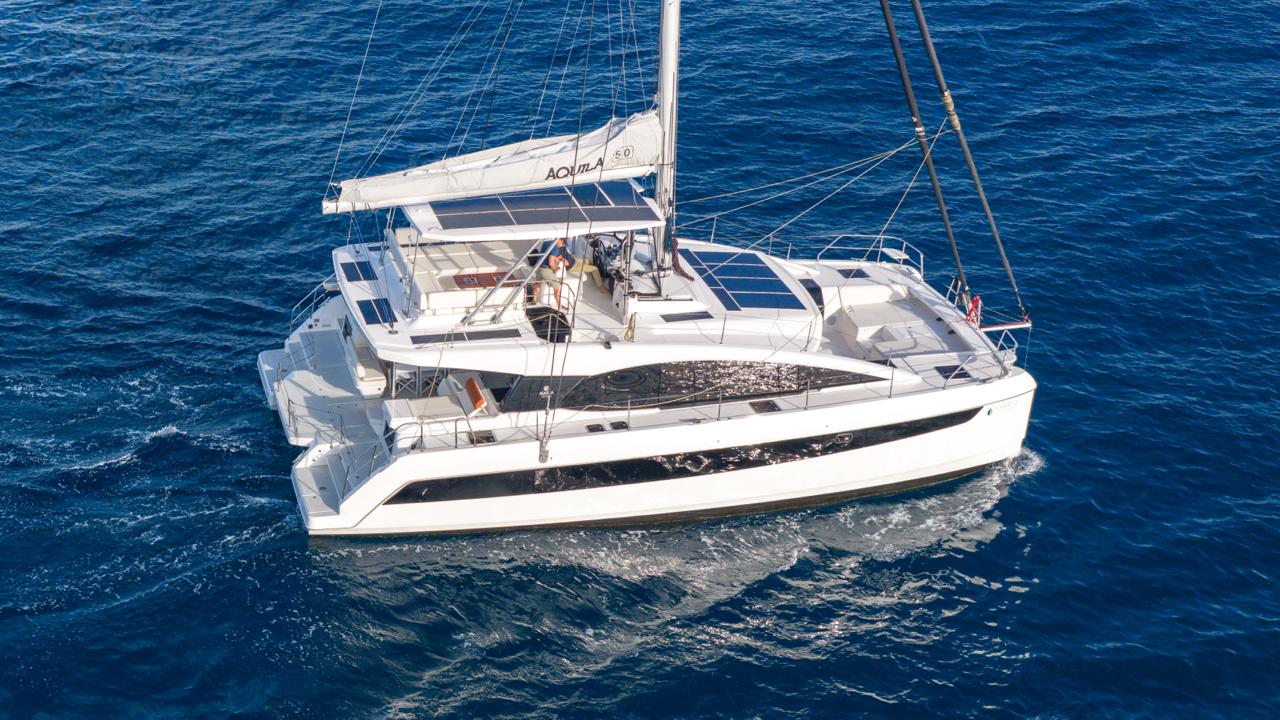
Virgo
Bareboat
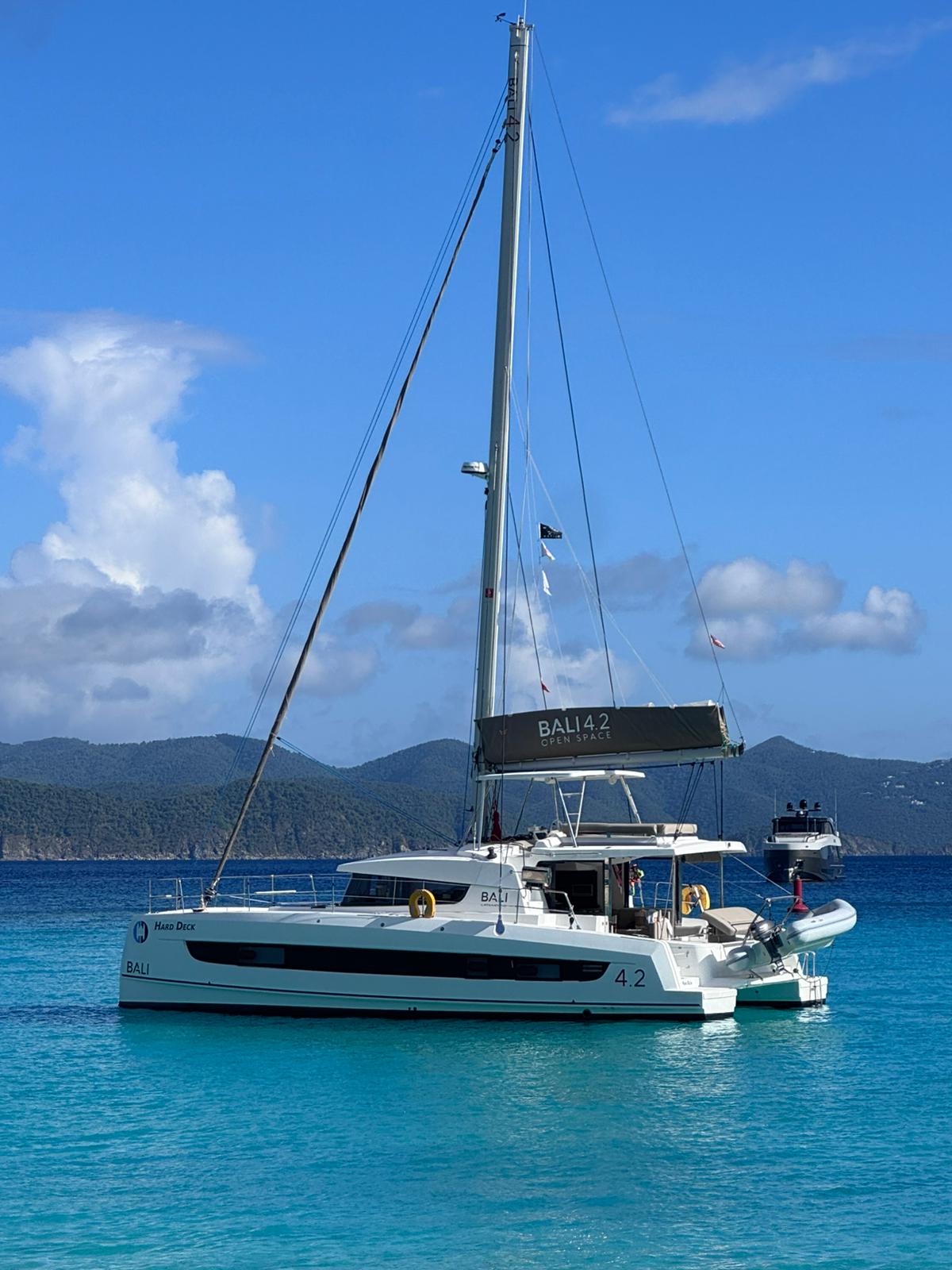
BVI, British Virgin Islands

Hard Deck
Bareboat
BVI, British Virgin Islands

Divine Destiny
Bareboat
BVI, British Virgin Islands

Nautical Bliss
Bareboat
BVI, British Virgin Islands

Tiraminelli
Bareboat
BVI, British Virgin Islands

Here and Now
Bareboat
BVI, British Virgin Islands

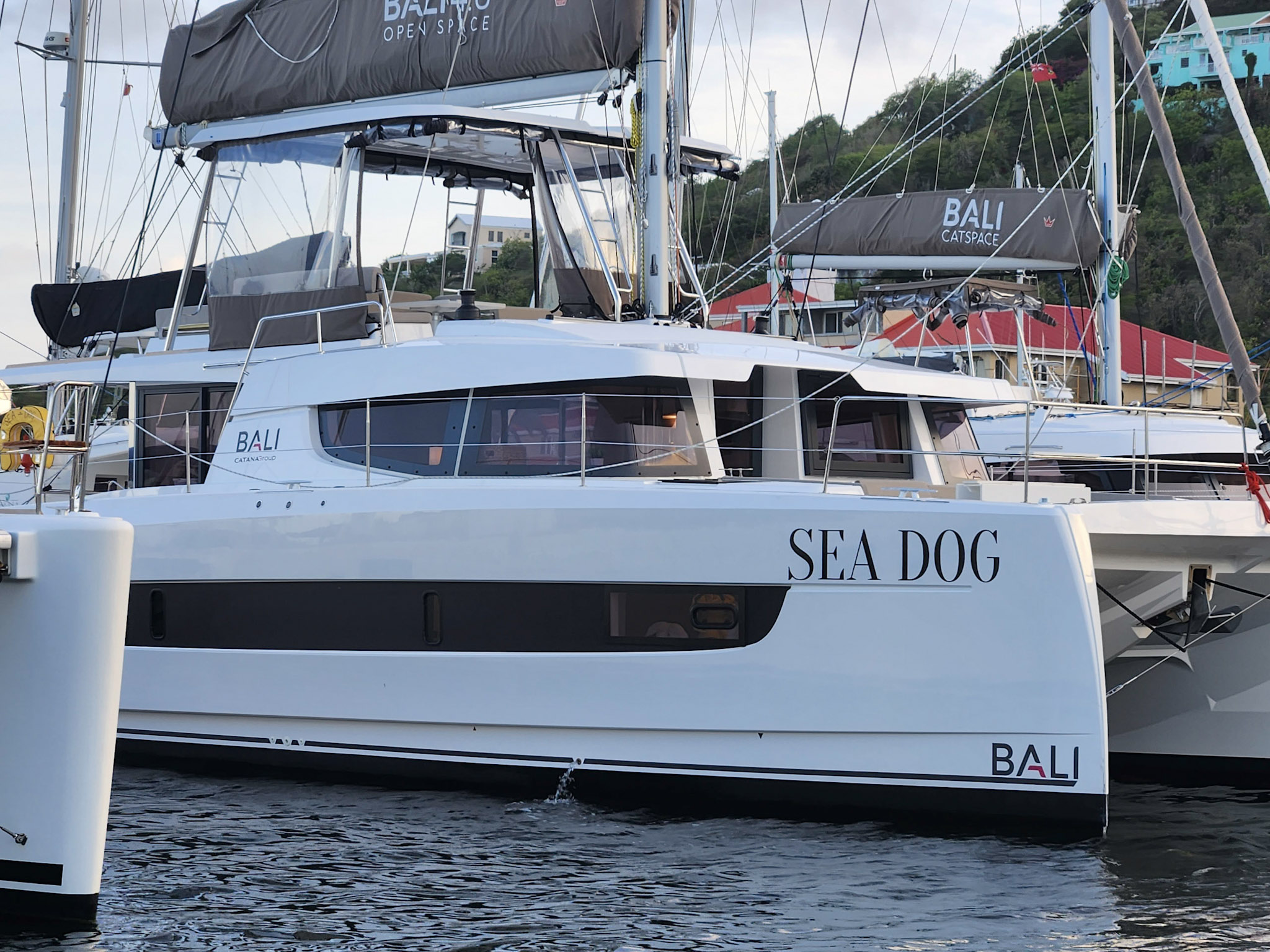
Sea Dog
Bareboat
BVI, British Virgin Islands

Cancelli del Cielo
Bareboat
BVI, British Virgin Islands

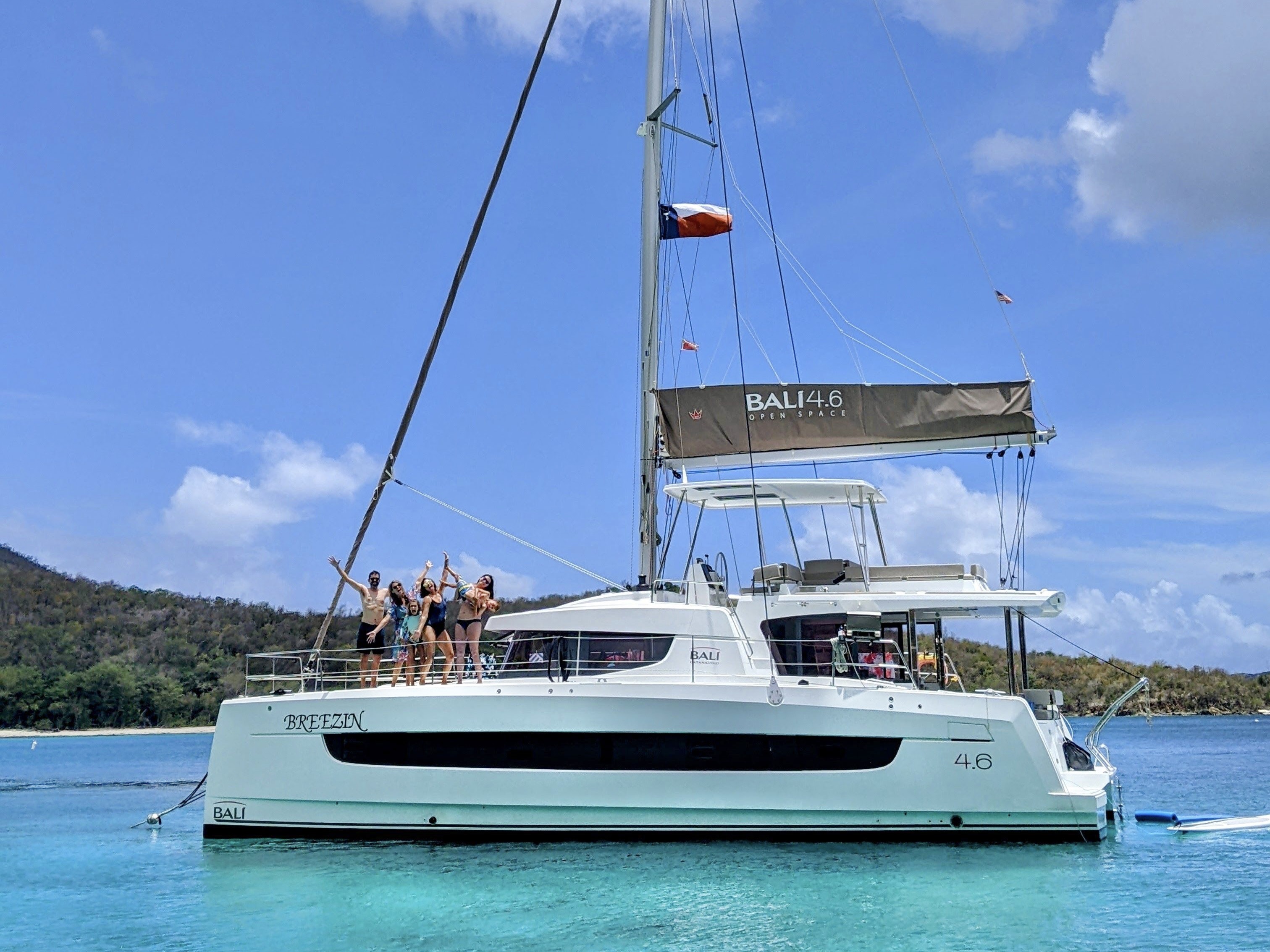
Breezin
Bareboat
BVI, British Virgin Islands

Cool Breeze
Bareboat
BVI, British Virgin Islands

CattyShack
Bareboat
BVI, British Virgin Islands

Sea Breeze
Bareboat
BVI, British Virgin Islands

Pinnacle Cat
Bareboat
BVI, British Virgin Islands

Yamas
Bareboat
BVI, British Virgin Islands

Morale Compass
Bareboat
BVI, British Virgin Islands

Maverick
Bareboat
BVI, British Virgin Islands

Jitterbug
Bareboat
BVI, British Virgin Islands

New Beginnings
Bareboat
BVI, British Virgin Islands

Hoosier Lady
Bareboat
BVI, British Virgin Islands

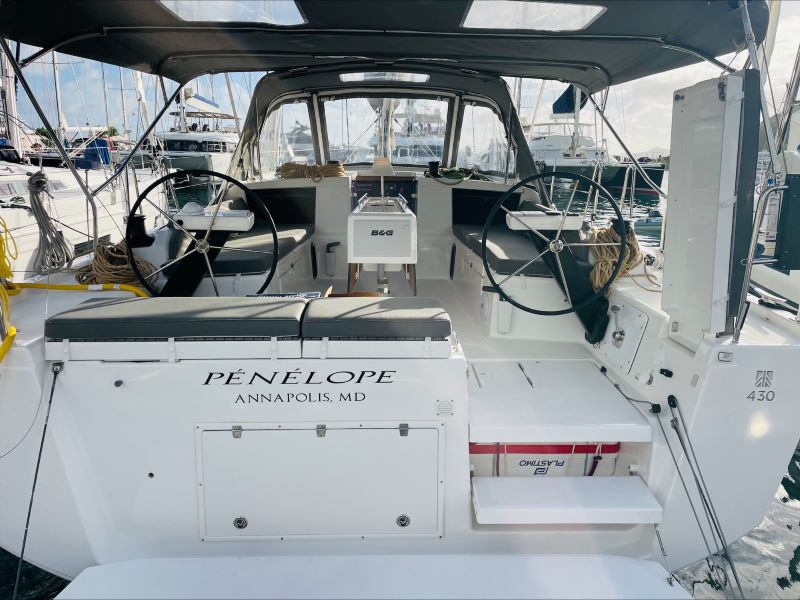
Penelope
Bareboat
BVI, British Virgin Islands

Knot Online
Bareboat
BVI, British Virgin Islands

Shandy Breeze
Bareboat
BVI, British Virgin Islands

Discovery
Bareboat
BVI, British Virgin Islands

Reventador 2
Bareboat
BVI, British Virgin Islands

Cholita
Bareboat
BVI, British Virgin Islands

Fat Bottom Girl
Bareboat
BVI, British Virgin Islands

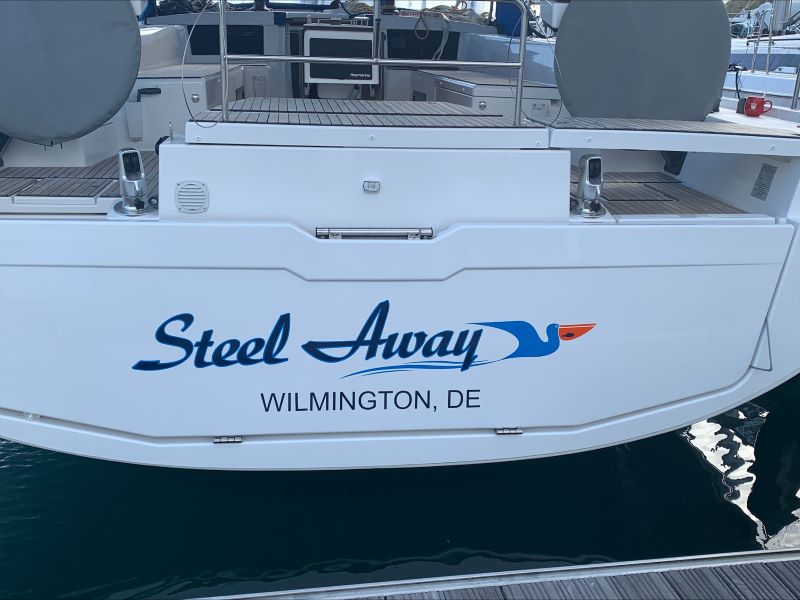
Steel Away
Bareboat
BVI, British Virgin Islands

Dream Big
Bareboat
BVI, British Virgin Islands

Pura Vida
Bareboat
BVI, British Virgin Islands

Unsupervised
Bareboat
BVI, British Virgin Islands

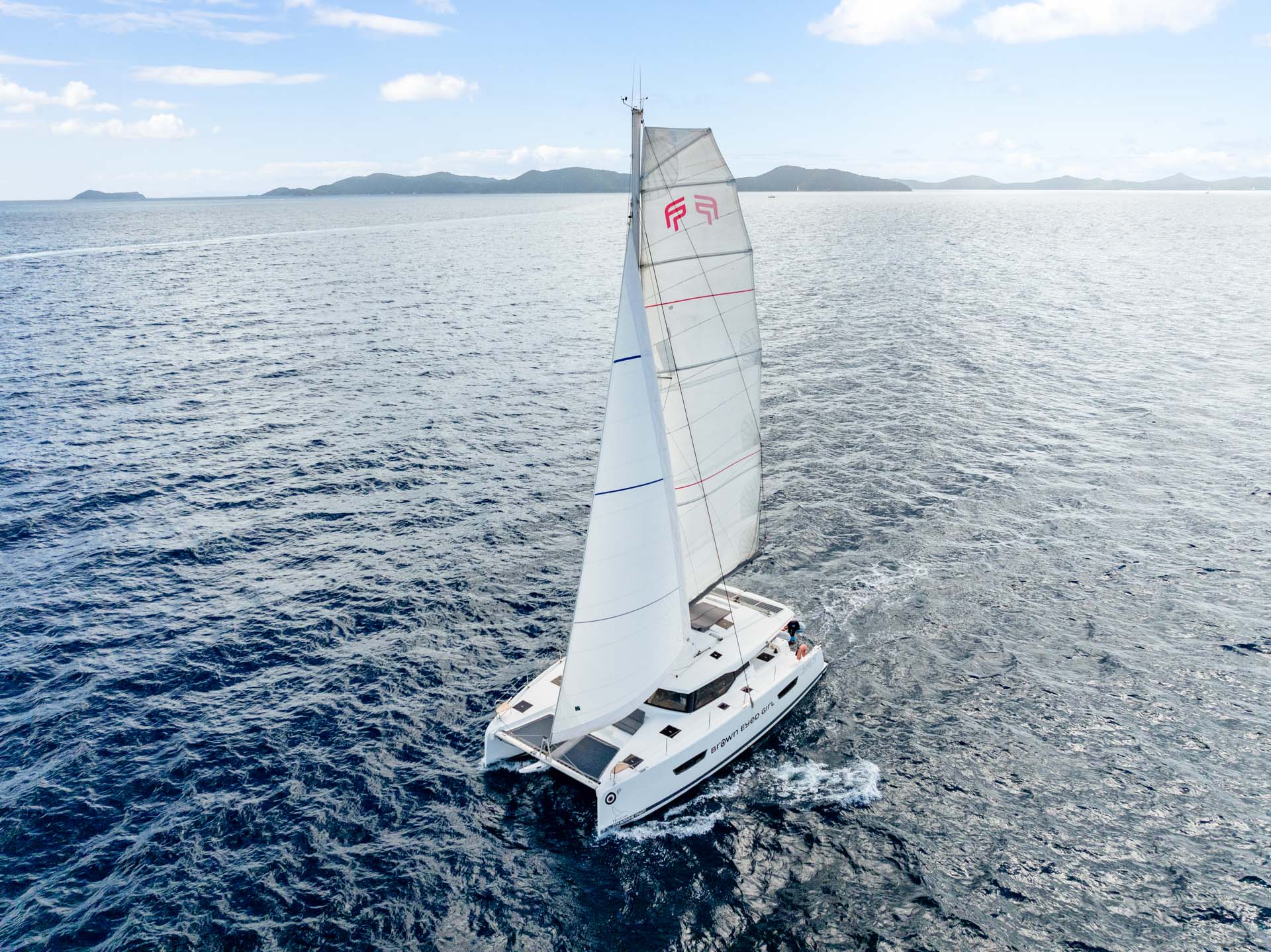
Brown Eyed Girl
Bareboat
BVI, British Virgin Islands

Pegasus
Bareboat
BVI, British Virgin Islands

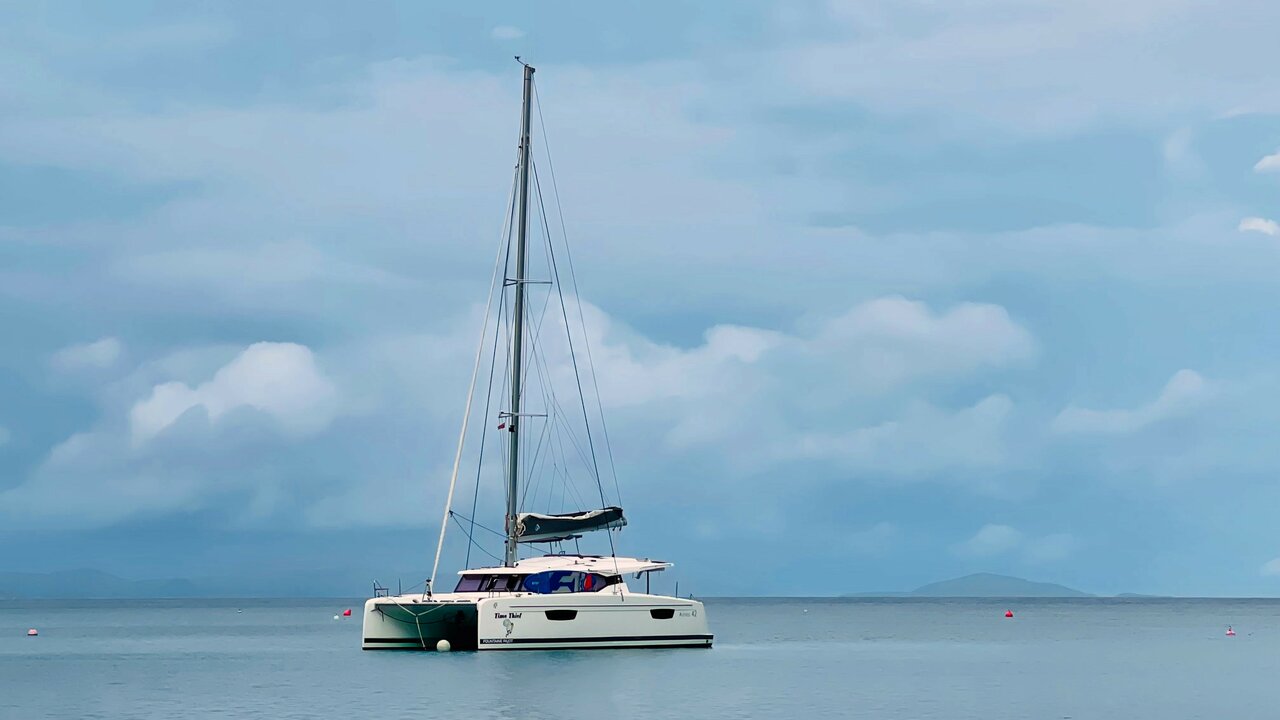
Time Thief
Bareboat
BVI, British Virgin Islands

Idle Time
Bareboat
BVI, British Virgin Islands

Penny Lane
Bareboat
BVI, British Virgin Islands

Vida
Bareboat
BVI, British Virgin Islands

Fortunata
Bareboat
BVI, British Virgin Islands

Pleasant Arbour
Bareboat
BVI, British Virgin Islands

All the Perks
Bareboat
BVI, British Virgin Islands

Rendezvous III
Bareboat
BVI, British Virgin Islands

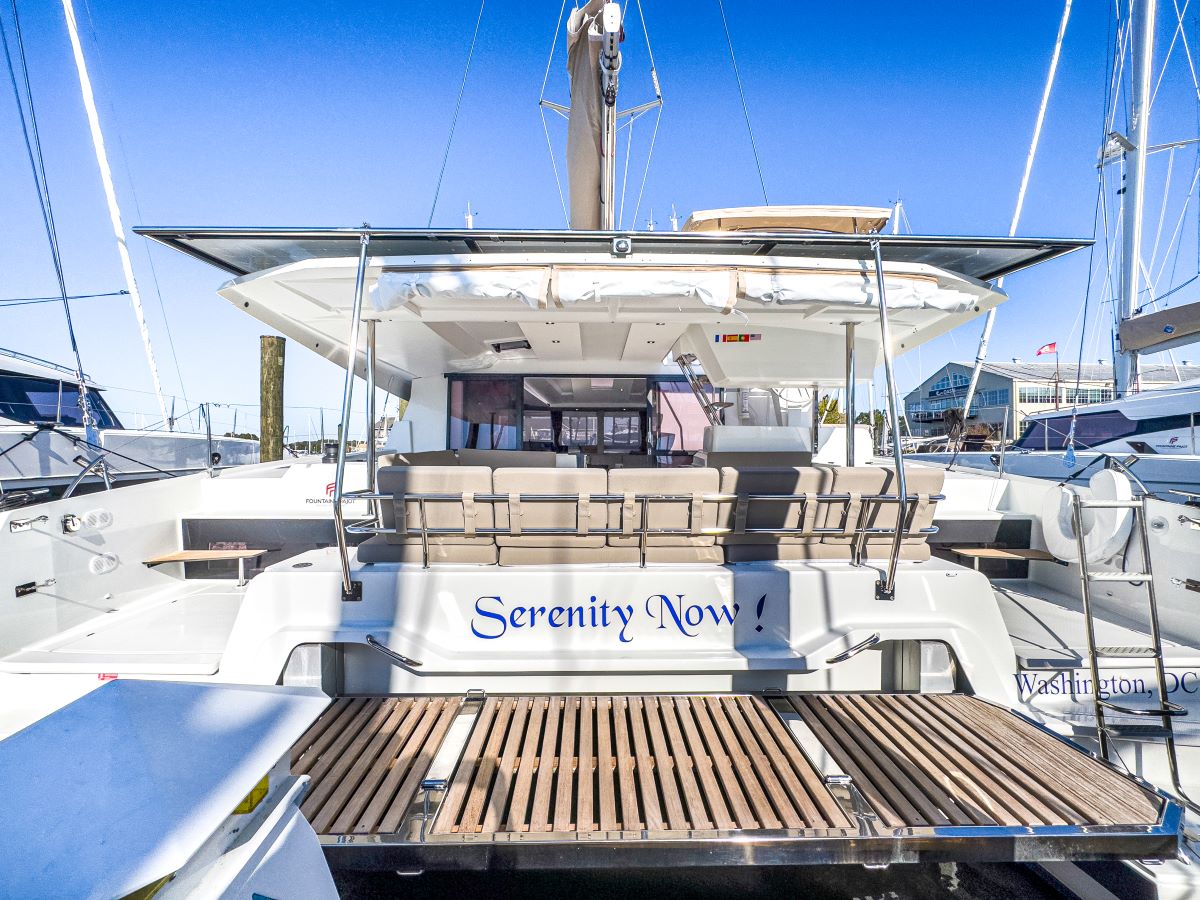
Serenity Now
Bareboat
BVI, British Virgin Islands

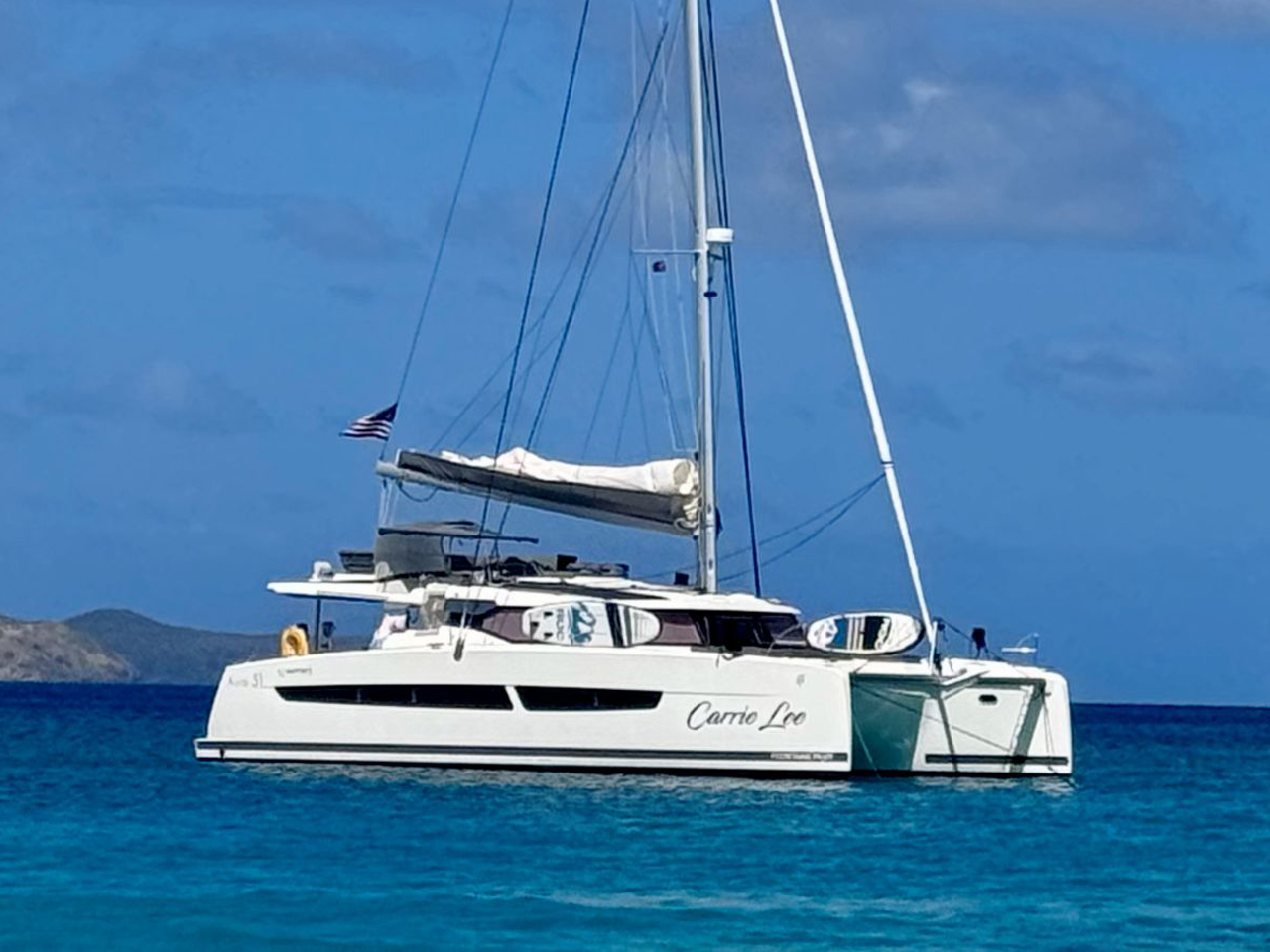
Carrie Lee
Bareboat
BVI, British Virgin Islands

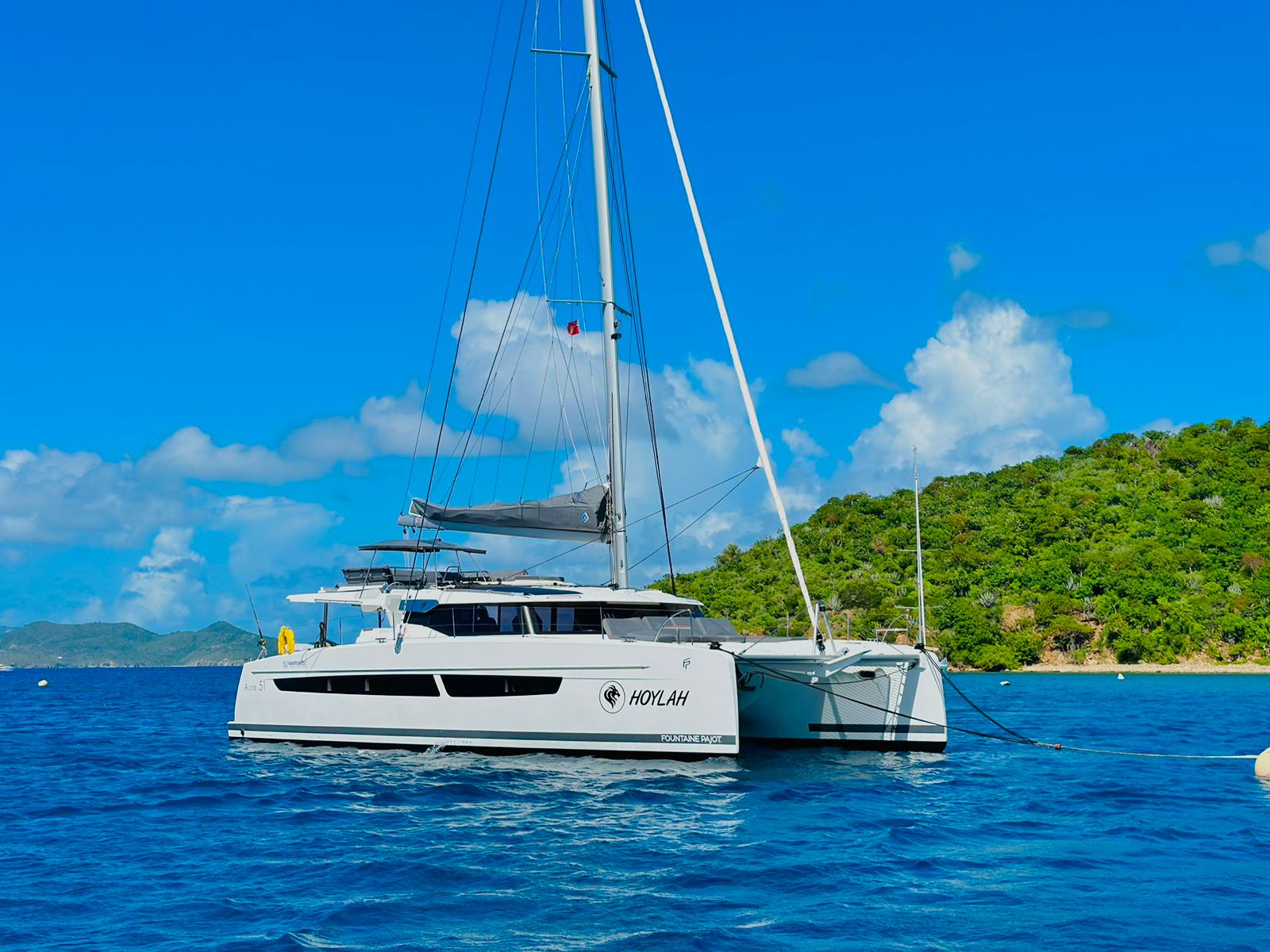
Hoylah
Bareboat
BVI, British Virgin Islands

Big Big Plans
Bareboat
BVI, British Virgin Islands

Last Mango
Bareboat
BVI, British Virgin Islands

Peace Out
Bareboat
BVI, British Virgin Islands

Freedom
Bareboat
BVI, British Virgin Islands

Vienna
Bareboat
BVI, British Virgin Islands
British Virgin Islands
Practical information
Emergency contacts
All emergencies (police, fire, ambulance)
Sea rescue (VISAR)
VISAR direct line (Tortola base)
VISAR Virgin Gorda base
Visa & entry requirements
The BVI is a British Overseas Territory with its own entry rules — different from the UK's, and different again from the US Virgin Islands next door, so arriving from St Thomas is a full international border. Everyone presents a passport, US citizens included. Most visitors — US, UK, EU and Canadian passport holders among them — enter visa-free: UK citizens get a one-month stamp on arrival, Canadians up to six months, and the Chief Immigration Officer can extend a stay. Some nationalities need a visa in advance.
Keep your passport valid comfortably beyond the trip — Canada's official advice is six months from the date of entry. Every traveller completes the online embarkation card (bviedcard.gov.vg) up to 72 hours before arrival, a requirement since 1 January 2025, and pays a $10 environmental and tourism levy on entry; leaving by sea carries a departure tax of about $20. Check your own government's advice before you fly — rules move.
Getting there
There are two ways in, and seasoned charterers weigh both. Direct: Terrance B. Lettsome International (EIS) on Beef Island, joined to Tortola by bridge — a short-runway regional airport fed from San Juan (SJU), St Thomas (STT), Antigua (ANU) and St Maarten (SXM), plus American's Miami nonstop, running since June 2023. Virgin Gorda (VIJ) and Anegada (NGD) keep airstrips for island hops.
Or fly a big jet into St Thomas in the US Virgin Islands and ferry across: Charlotte Amalie and Red Hook to Road Town or West End in about 50 minutes. Ferries run daylight hours only, with last departures around 4:30–5 pm, so a late-landing flight means a night on St Thomas — and you clear BVI customs and immigration on arrival. Either way the charter bases cluster on Tortola a short taxi from airport or ferry dock; Road Town is one of the Caribbean's principal bareboating centres.
Time zone & daylight saving
The islands keep Atlantic Standard Time — UTC-4, IANA zone America/Tortola — every day of the year. There is no daylight saving; the clocks never move.
That fixed clock is what changes your offset, not theirs. In northern summer the BVI reads the same time as the US East Coast, because New York has itself sprung forward to UTC-4; in winter the islands sit one hour ahead of New York. Against the UK the BVI is four hours behind London in winter and five hours behind during British Summer Time. A charter week never catches a clock change here — only your flight home can do that.
Currency & exchange
The currency is the US dollar. It has been the BVI's official money since 1959 — a British Overseas Territory that banks in dollars — so American visitors change nothing, and everyone else should treat this as a dollar destination: bring USD, and cards that behave abroad. Every price you meet, from mooring ball to Painkiller, is quoted in dollars.
ATMs sit mainly on Tortola and Virgin Gorda and do not take every foreign card, so carry a second card and draw cash before you head for the smaller islands — you will want it for moorings and beach bars. Note the US$9,999 ceiling on cash you can bring in. And if any terminal offers to charge your card in your home currency, decline and pay in dollars — that dynamic-currency-conversion rate never favours you.
Payment methods
US dollars everywhere, and Visa or Mastercard carries you through marinas, provisioning stores and most bars and restaurants in the charter towns. Acceptance thins as the settlements do — some smaller businesses and restaurants take no cards at all — so never arrive anywhere assuming the terminal works.
Cash is still the working currency of the cruising day: you will need it for mooring balls and in the smaller bars. Many mooring fields now also run on the BoatyBall app — about $55 to reserve ahead, $30–$40 first-come-first-served — which takes a card, but the out islands reward a full wallet. Draw dollars before leaving Tortola or Virgin Gorda, and if a terminal offers conversion to your home currency, refuse it and pay in dollars — the offered rate is never in your favour.
Tipping culture
The convention that matters is afloat: on a crewed charter, a gratuity of 10–20% of the charter fee is the established norm — most BVI operators suggest 15–20% for a full crew, and around 10% where you have hired a skipper alone. Hand it to the captain at the end of the week, in cash or by transfer; it gets split among the crew. On a bareboat there is no crew to tip.
Ashore, keep small dollar bills within reach. Practice varies from beach bar to fine dining, so read the bill before adding anything and ask when unsure — nobody minds the question. A fold of ones and fives also covers dock hands, fuel attendants and taxi drivers without ceremony.
Cost of living
Budget high: this is one of the pricier corners of the Caribbean. As a guide, an inexpensive meal runs about $19.50 and a mid-range dinner for two about $80 before drinks, with mains at the better-known beach clubs reaching $30–$50 a head. A local draft beer is around $4; a cappuccino nearly $7. Groceries carry island premiums too, so provision with a list, not a mood.
Feeding a bareboat crew from the galley runs roughly $25–$75 per person per day depending on ambition, and the nightly mooring ball adds $30–$40. December to April is the high season, with Christmas and New Year the most in-demand weeks of all; the shoulder months either side are where the value lives. Treat every number here as a guide — island prices move season to season.
Sailing regulations & permits
The BVI vets skippers on experience, not paperwork. No government sailing licence is required for a bareboat: charter companies qualify you on a sailing resume or recognised certification — typically about five days or 100 miles as skipper of a comparable boat — and can put a professional skipper aboard if unconvinced. Fleet rules bind you too: two people aboard minimum, no night sailing, moored at least an hour before sunset.
Entry is per boat: the whole crew clears customs and immigration together at a port of entry — Road Town or West End on Tortola, Great Harbour on Jost Van Dyke, St Thomas Bay on Virgin Gorda — with every passport, the boat's papers and a SailClear pre-registration. The per-person charges — daily cruising tax ($16 a head on boats based outside the BVI, a few dollars on BVI-based fleets), the $10 arrival levy, the National Parks Trust marine permit — are collected with the charter; we prepare that paperwork with you at check-in.
Substances & laws
Drug law here is unforgiving. Possession of even small quantities of illegal drugs — cannabis included — brings heavy fines or jail, and trafficking sentences are severe. Bring nothing aboard and carry no parcels for anyone else. Prescription medication is fine for personal use, but the legal status of medicines prescribed at home can differ in the territory: keep pills in their original packaging, carry the prescription, and check the current rules before you travel.
Alcohol sits at the easy end. It is cheap by US standards — the territory levies no special duties on it — and drinking culture lives in the beach bars, a few of which still run on the honour system. The sober footnote from the safety statistics: most watersports accidents in the BVI involve alcohol, so do the swimming, snorkelling and sailing first and the Painkillers after.
Fishing regulations
The rule is stricter than almost anywhere else you will charter: it is illegal for anyone who is not a Virgin Islander to remove any marine organism from BVI waters without a recreational fishing licence — and towing a lure on passage counts. Visitor fishing is licensed on a catch-and-release basis. The temporary pleasure fishing licence costs $45, runs for up to a month and comes from the Department of Conservation and Fisheries; processing can take ten working days, so apply before you fly — we point you to the right form when you book.
The hard lines: no spearfishing by visitors by any method, no using scuba gear to take any marine animal, no taking lobster, no billfish in your possession, and no fishing of any kind inside a marine park. One practical caution — reef fish here can carry ciguatera, a good reason to release what you catch.
Wildlife protection laws
Take nothing living. Removing any marine organism from BVI waters without a licence is illegal, fishing of any kind is forbidden inside marine parks, and the National Parks Trust — 21 protected areas in its care — has marine wardens patrolling territorial waters. The signature site is the Wreck of the Rhone off Salt Island, a national park since 1980: dive it under the Trust's marine conservation permit and touch nothing. Turtles, rays and reef fish are for watching at snorkel distance, not chasing.
Anegada is the showcase. Horseshoe Reef — around 18 miles of barrier coral, one of the Caribbean's largest — has wrecked hundreds of ships, and anchoring on it is illegal; charter companies restrict where you may take the boat there, so follow your briefing. Ashore, the western salt ponds are a Ramsar-listed wetland where a restored flock of some 200 Caribbean flamingos now feeds, and the critically endangered Anegada rock iguana is being rebuilt through a head-start programme.
Insurance requirements
The yacht comes insured; what is at stake for you is the deposit. Without a damage waiver, BVI operators typically block US$2,000–$5,000 on a card at check-in — with some fleets the no-waiver deposit on a catamaran tops $6,000. Most charterers instead take the waiver, roughly $35–$60 a day with many companies (more on big boats), which shrinks liability to a deductible of about $1,500–$3,500 by boat size. Read the exclusions: the fee is non-refundable and negligence is never covered.
Hurricane season is the other thing your paperwork must face: 1 June to 30 November, peaking around 10 September. Charter contracts carry named-storm clauses — expect penalty-free rebooking, or a pro-rated refund of lost days if the fleet recalls boats, rather than an automatic full refund. So buy travel insurance with solid medical cover, and cancellation cover the day you book — budget 4–7% of the trip. We do not insure charters or holidays; that policy is what stands behind your payment.
Emergency contacts
All emergencies (police, fire, ambulance): 999 or 911 — both work
Sea rescue (VISAR): 767, or VHF channel 16
VISAR direct line (Tortola base): +1 284 345 4357
VISAR Virgin Gorda base: +1 284 344 1468
At sea, hail on VHF channel 16 or dial 767. Virgin Islands Search and Rescue (VISAR) is the territory's officially recognised search-and-rescue service — volunteer crews on call 24/7 from Road Reef Marina on Tortola and Virgin Gorda Yacht Harbour, answering medical and marine emergencies across BVI waters. Ashore, 999 and 911 reach the same emergency operators from any phone.
Healthcare & hospitals
There is one hospital in the territory: the 120-bed Peebles Hospital in Road Town — today the Dr D. Orlando Smith Hospital — run by the BVI Health Services Authority with a 24/7 emergency department and a weekday pharmacy. Virgin Gorda has the Iris O'Neal clinic with round-the-clock cover, and satellite clinics serve the smaller islands. Good for routine trouble, but facilities are limited: complex cases are referred — usually flown — to the US Virgin Islands, Puerto Rico or the US mainland.
Care is billed privately, US-style, and it is expensive; both UK and US government advice is blunt that travel insurance must include medical evacuation cover, not just treatment. Dial 911 for an ambulance. At sea, call 767 for Virgin Islands Search and Rescue (VISAR).
Vaccinations
Nothing is required to enter the BVI: there are no vaccination certificate requirements, and yellow fever vaccination is neither required nor recommended. What health authorities do advise is being current on the routine vaccines (MMR, tetanus, polio, flu), with hepatitis A and B suggested for many travellers — the CDC adds typhoid to that list for most.
The real health note is the mosquito: dengue and Zika occur here, and the species that carry them bite by day, so pack a decent DEET repellent and use it ashore. Check current recommendations four to eight weeks before you fly — the CDC for US travellers, TravelHealthPro for the UK — and see a travel clinic earlier if anyone aboard is pregnant or managing a condition.
Water drinkability
Tap water on the main islands is desalinated seawater, and it is generally safe — the issue is flat taste and patchy distribution rather than danger, which is why most visitors drink bottled water throughout the territory. Supply follows the population: Jost Van Dyke runs on limited desalination and Anegada largely on rainwater catchment, so treat taps on the small islands with more caution.
Aboard, the tank water you load at the dock (roughly 15 cents a US gallon) is for washing-up, showers and cooking; keep bottled water for drinking and load plenty at provisioning, because at remote anchorages it is the only practical option. The usual warm-weather hygiene applies — take the same care with food and water you would anywhere tropical, and drink more than you think you need.
Environmental hazards
One hazard towers over the rest: the Atlantic hurricane season, 1 June to 30 November, peaking around 10 September. Direct hits are rarer than the season's reputation — the BVI takes one on average about once every eight years — but when a named storm approaches, charter fleets recall boats to base and plans change fast. Watch the US National Hurricane Center and the BVI Department of Disaster Management's alerts through the season, and remember storms can occasionally form outside those dates too.
The water itself is about as forgiving as cruising gets. The official accident rate is very low, and many of the accidents that do happen involve alcohol — so keep the Painkillers for the mooring ball, not the passage. Beyond that, day-biting mosquitoes carry dengue, so use repellent ashore, and the tropical sun is the injury you are most likely to actually take home. Respect those three and the BVI is benign.
Weather & best seasons
The charter high season runs December to April: dry, settled days and steady easterly trade winds of 15–25 knots, blowing hardest around the turn of the year when the "Christmas Winds" come through. From May the trades soften and swing southeast at 10–20 knots, and September-October are the lightest months. The water is warm enough to swim every month of the year, the tidal range is tiny, and navigation is line-of-sight — much of why the BVI is rated a beginner-friendly charter ground.
Hurricane season is the calendar's hard fact: 1 June to 30 November, with the statistical peak on 10 September and most activity between mid-August and mid-October. Plenty of crews sail the summer anyway — rates run 30–50% below peak — but book on a contract with a named-storm clause that lets you rebook if one threatens your dates; November is the value window as refitted fleets relaunch. Past patterns are a guide, not a promise — always sail to the current forecast.
Sunrise & sunset by season
Daylight barely moves at 18°N. Midsummer days run about 13 hours 15 minutes (sunrise around 5:40 am, sunset just before 7 pm); midwinter still gives a shade over 11 hours (roughly 6:40 am to 5:45 pm). The real difference from home is dusk: this far south the sun drops steeply and twilight lasts barely 25 minutes. When the sun goes, night follows almost at once.
Plan the day around that. Charter rules require you to be moored at least an hour before sunset — night sailing is not permitted — and the popular mooring fields fill from mid-afternoon in high season, so treat 3 pm as the deadline for the day's last leg. For exact times at your anchorage and week, gaisma.com and worlddata.info publish full-year tables for Road Town.
Conservation tips
The mooring buoy is the BVI's main conservation tool. The National Parks Trust has anchored buoys into the bedrock at the popular dive and snorkel sites since 1991 precisely to keep anchors out of coral: white for diving, orange for non-diving day stops, blue for dinghies. Respect the 90-minute limit, never overnight on an NPT buoy — they are day-use only — and carry the Trust's marine conservation permit, which your charter company arranges. Where you do anchor, drop on pale sand, never the dark of reef or seagrass; on Anegada's Horseshoe Reef anchoring is banned outright.
The rest is habit. Overnight on the commercial mooring balls (about $30–40 a night) rather than crowding fragile bays with ground tackle. Rubbish goes ashore to marina bins, holding tanks get pumped out rather than emptied in an anchorage, sunscreen should be reef-safe, and shells, coral and everything living stay where they are — taking them is illegal without a licence.
Language & cultural tips
English is the official language — this is a British Overseas Territory — spoken alongside Virgin Islands Creole, the lilting dialect you will hear between locals on the dock. For a charter guest there is no language barrier anywhere in the islands.
Courtesy carries more weight than vocabulary. Greet before you ask: "good morning" or "good afternoon" opens every exchange — in shops, at customs, on the radio — and launching straight into your question reads as rude. Ask before photographing people. Dress stays genuinely casual: smart shorts and a polo are as formal as dinner gets. And the beach bar is a cultural institution rather than a drink stop — the Painkiller was invented on Jost Van Dyke in the 1970s, and a few honour-system bars still let you mix your own and settle the tally when you leave.
History & culture
Columbus threaded these islands in 1493 and named them Santa Ursula y las Once Mil Virgenes after the legend of St Ursula — the Virgin Islands ever since. Sailors kept writing the story: in 1750 the treasure of a mutinied Spanish galleon, 55 chests of silver, was buried on Norman Island, one of the claimed inspirations for Treasure Island — today you snorkel its caves straight from The Bight anchorage. Off Anegada, shell mounds left by Arawak conch fishermen still rise from the shallows like dunes.
The sea wrote the tragedies too. The Royal Mail steamer Rhone was driven onto Salt Island in the hurricane of October 1867 with 123 lives lost; her wreck, lying in 9–24 metres, has been a national park since 1980 and is one of the Caribbean's great dives. Emancipation in 1834 is the date that matters most ashore, celebrated territory-wide every August — and from a Virgin Gorda berth you can walk to the ruined copper mine at Copper Mine Point.
National holidays & closures
The territory keeps around 14 public holidays. In the winter-spring charter season, plan around New Year's Day, H. Lavity Stoutt's Birthday (first Monday of March), Good Friday and Easter Monday, and Whit Monday in late May, with Christmas Day and Boxing Day at the season's festive start. Summer belongs to the Emancipation Festival: the first Monday, Tuesday and Wednesday of August are all public holidays, the climax of roughly two festival weeks marking the 1834 abolition of slavery — 25 July to 8 August in 2026. The Sovereign's Birthday (June), Virgin Islands Day (early July), Heroes and Foreparents Day (October) and the Great March commemoration (November) round out the year.
On the day itself government offices, banks and many shops shut, and clearing customs attracts holiday overtime fees — worth knowing if it lands on your changeover. Beach bars and restaurants in the charter anchorages mostly carry on. If a holiday falls in your week, provision the day before.
Dress code & what to pack
Nothing about the BVI dress code is formal. Days run on swimwear — pack two or three suits so one is always dry — with a long-sleeve rash guard for snorkelling. A lightweight cover-up or sundress handles the walk from dinghy to lunch table, and evenings ashore top out at smart-casual: one nicer outfit covers the week. Bring a light jacket too; the breeze after sunset is cooler than the brochure suggests.
Carry it all in a soft duffel — yacht lockers have no room for hard suitcases. Footwear means deck-friendly sandals or soft-soled shoes, and leave heels at home; teak and heels are enemies. Round out the bag with reef-safe sunscreen, a brimmed hat, polarised sunglasses on a strap, and seasickness patches if your history suggests you will want them.
Mobile & internet coverage
Three networks cover the islands — Digicel, Flow and the local carrier CCT, which keeps shops on Tortola and Virgin Gorda. Coverage follows the populated islands and fades in between, so download charts, forecasts and playlists before you leave the dock. The painless route is a travel eSIM bought before you fly — Airalo and others sell BVI packages riding the Digicel network.
For US, UK and EU phones this is international roaming, not home ground — check what your plan charges before you land, not when the bill does. Ashore, Wi-Fi is easy to find in cafés and hotels on Tortola, Virgin Gorda and Jost Van Dyke. Crewed yachts increasingly carry their own connection: many now run Starlink, good for 100+ Mbps at anchor, with a 4G hotspot as backup — ask what your boat has when you book.
Electricity & plug types
Sockets are US-style types A and B at 110–120 volts, 60Hz — the same plugs as the United States and Canada, so North American kit plugs straight in. UK, EU and Australian plugs need an adapter, and check anything without a dual-voltage power brick: phone and laptop chargers cope fine, but a 230V-only appliance needs a voltage converter, not just the plug.
Aboard, expect 12V USB charging under way and 110V outlets when the boat is on shore power or running its generator or inverter — the exact fit-out varies by yacht, so ask at check-in. Charge the heavy loads — laptops, camera batteries, drone packs — on marina nights, and bring a power bank for evenings on a mooring ball.
Do I need a sailing licence to charter in the BVI?
What's the best time to sail the BVI?
Where should first-time charterers start?
Is the BVI good for family charters?
How much does a BVI yacht charter cost?
Do I need to worry about hurricanes when booking?
Can I sail to Anegada?
Where can I sail in British Virgin Islands?
What kind of yachts are available in British Virgin Islands?
How do I get a quote?
Instant quotes, fast replies
Email us — we come back fast
Send the dates, the group and the sea you have in mind. Real boats with real prices come back the same day, usually within hours.
- Three matched boats, priced, in your inbox the same day
- Advice from sailors who know the boats and the waters
- Email or WhatsApp — reply by whichever suits you
- No spam, ever
Talk to an expert