Why sail Sweden
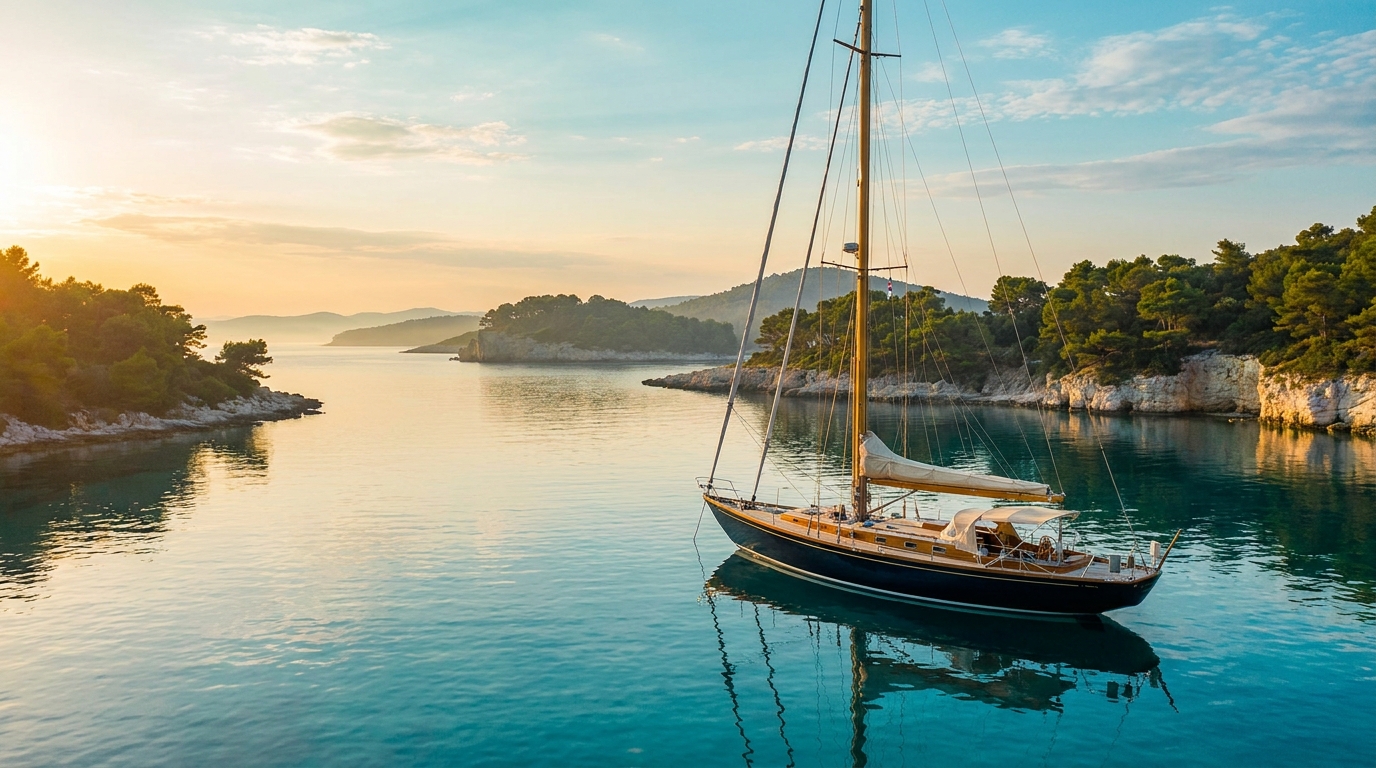
Sweden's east coast is one of the largest island archipelagos in the world — roughly 30,000 skerries scattered between Stockholm and the open Baltic. You sail from one granite island to the next in flat water, dropping anchor in a bay you often have to yourself. The distances between shelter are short, the water is calm most days, and the summer light stretches past 10pm. If you've been put off by the idea of Nordic sailing being cold and hard, the archipelago in July is neither.
This is close-quarters cruising, not passage-making. You're rarely more than an hour from your next anchorage. That suits families and first charterers, and it suits anyone who'd rather explore than clock miles. The trade-off: it's a short season and the water stays brisk even in high summer.
The sailing grounds — Uppland and the Stockholm archipelago
Our base is in Uppland, the coast north of Stockholm. From here the archipelago opens up fast — pine-topped islands, red timber cabins on the rocks, and narrow sounds you thread on a chartplotter. Sandhamn is the classic sailing hub out toward the open Baltic, busy with racers in summer and worth a night for the harbour scene. Further in, places like Grinda and Finnhamn give you quiet nature-reserve anchorages with a jetty and a small kiosk.
Navigation here rewards attention. The skerries are low and there are unmarked rocks; you keep the plotter on and read the buoyage carefully. Nothing about it is dangerous in good visibility, but it's not the wide-open sailing of the Med. Depths shrink quickly near the granite, so the anchoring technique is often bow-to-the-rock with a stern anchor — a Baltic habit worth learning on day one.
Season and winds
The practical season is short: roughly late May through early September. July and August are the reliable months for warmth and long daylight — midsummer gives you close to 18 hours of usable light. June is quieter and cooler; September brings the first proper chill and shorter days.
Winds are moderate and variable, generally in the 8-15 knot range, with the archipelago itself sheltering you from most of what the open Baltic throws up. Sea breezes build through warm afternoons. There's no reliable prevailing wind to plan around the way you would with the meltemi or the trades — you take what the day gives you, and calm motoring days are common. Be honest with yourself about that if you're coming for pure sailing.
The water is cold. Even in a hot August it rarely feels warm for long swims, though sheltered shallow bays heat up enough to tempt you in.
Charter types
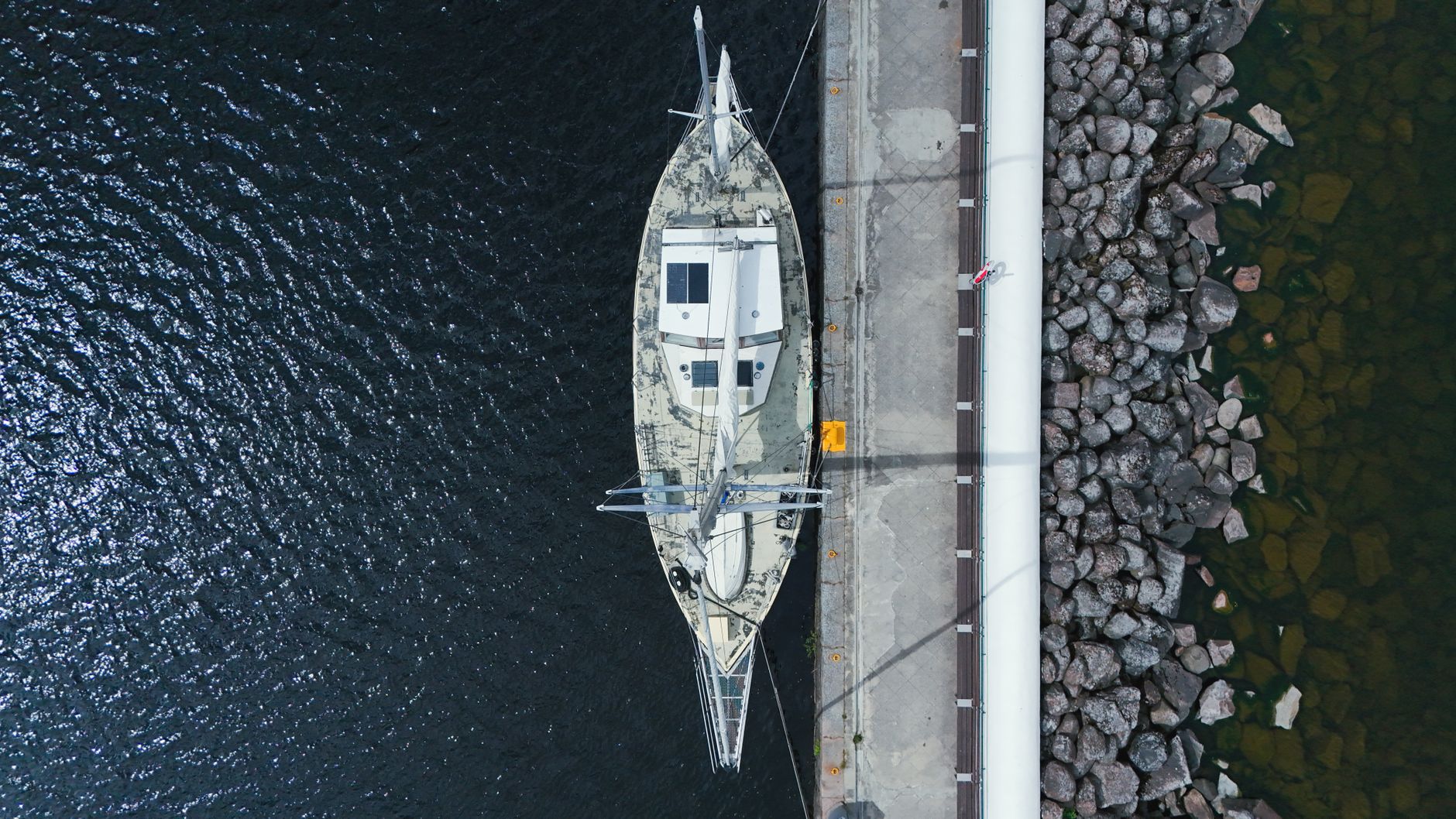
Both bareboat and skippered charters work here. Bareboat suits anyone comfortable with rock-strewn pilotage and stern-anchor mooring — if that's new to you, take a skipper for the first days and learn the technique. A skippered charter also solves the local-knowledge problem: which anchorages hold, which jetties take a keel boat, where the shallow spots are that the chart understates.
Provisioning is straightforward from the mainland before you leave; island kiosks cover basics and ice cream, not a full shop. Plan your galley around a stock-up at the start.
Costs
Sweden is not a cheap charter destination — expect Northern European prices for the boat, and for eating ashore. Weekly bareboat rates vary with boat size and season; Price on request for current availability, which shifts fast given the short season. Budget separately for fuel (calm days mean more motoring than you'd expect), guest-harbour fees, and provisioning, which runs higher than the Med. Dinner ashore in a marina restaurant is a treat priced accordingly; self-catering at anchor keeps the week affordable.
For exact rates and what's included, message us on WhatsApp with your dates and party size.
A sample week
Day 1 — Board in Uppland, provision, and get a briefing on rock-pilotage and stern anchoring. Short hop to a first sheltered anchorage to practise before the light goes.
Day 2 — Work south through the inner archipelago toward Finnhamn. Nature-reserve walking, swim off the granite if the bay's warmed up, anchor for the night.
Day 3 — Out toward Sandhamn on the open edge. Busier harbour, sailing atmosphere, a proper dinner ashore.
Day 4 — Grinda or a quieter neighbouring island. This is the do-nothing day: kayak between skerries, read on deck, cook aboard.
Day 5 — Longer leg exploring sounds you've not seen, picking anchorages off the plotter as the wind decides.
Day 6 — Begin working back north toward base, with a final quiet anchorage the last night.
Day 7 — Return to base in the morning. Distances are short enough that none of these legs is a grind, and you can rework the whole route around the weather without stress.
Getting there
Fly into Stockholm Arlanda, which serves most of Europe with direct routes. From the airport it's a short transfer to the Uppland coast base — Sweden's roads and trains are easy, and transfer details come with your booking confirmation. English is spoken everywhere, cards are accepted for almost everything, and the paperwork side is light compared with some Med countries. Come prepared for cool evenings even in July: bring layers and a proper jacket, because the wind off the Baltic has an edge to it once the sun drops.
Live fleet
Yachts available in Sweden.

Sweden questions
Asked and answered.
When is the best time to charter a yacht in Sweden?
Do I need a licence to bareboat charter in Sweden?
How much does a yacht charter in Sweden cost?
Where do charters start?
Is the Stockholm archipelago good for families and first-time charterers?
What are the winds like for sailing in Sweden?
How cold is the water in summer?
Where can I sail in Sweden?
How many yachts are available in Sweden?
How do I get a quote?
Real people
Talk to a human
A real person reads every message and replies within 24 hours — no bots, no auto-replies.
- Honest advice from sailors, not salespeople
- We reply within 24 hours
- No spam, ever
Talk to an expert
Get three options.
Real sailors who run the trips — tell us your week, your group and your vibe. Same day, we send three boats, three prices and the honest trade-offs. Boats we would put our own families on.
Final boarding call
Why not you?
New sailors, beginners or seasoned skippers — tell us when, where and how many. We send three real options the same day. No spam, no fluff, no commitment.