Sailaway Charters
Spain

Mediterranean · Spain

Spain
bareboat charter.

Yacht charter Spain: 148 boats across the Balearics, Catalonia, the Canaries and Alicante — clear water, short hops, reliable summer wind.

Bareboat Charter

Spain

Bareboat Charter in Spain.

## Why sail Spain

Spain gives you four distinct sailing grounds under one flag, and they don't overlap much. The Balearics are the heart of it — short hops between Mallorca, Menorca, Ibiza and Formentera, with anchorages that turn the water a pale jade you can read your depth gauge through. Catalonia hugs the mainland coast north of Barcelona toward the Costa Brava's pine-backed coves. The Canaries sit out in the Atlantic with year-round warmth and real ocean swell. Alicante anchors the Costa Blanca to the south. We've sailed the Balearics most summers, and the draw is simple: you can fill a week without ever doing a passage longer than four hours.

## The sailing areas

Our fleet sits where the sailing is — 123 boats in the **Balearic Islands**, 11 in **Catalonia**, 8 in the **Canary Islands**, 6 in **Alicante**. The Balearics are the obvious first charter: Palma is the biggest charter base in the Med, and from there it's a day-sail to Cabrera's marine reserve, the cliffs of the south coast, or across to Ibiza and Formentera. Menorca is quieter, with the deep natural harbour of Mahón and the calas of the south. Catalonia works from bases near Barcelona up to the Costa Brava. The Canaries — Tenerife, Gran Canaria, Lanzarote — are a different proposition: inter-island passages in open Atlantic water, better suited to crews who want miles. Alicante gives you the Costa Blanca and a run out to Tabarca island.

## Season and winds

The Balearic season runs roughly April to October, with July and August the busiest and hottest. In high summer the prevailing wind is a sea breeze — often light in the morning, building to a useful 10–18 knots by early afternoon, dying at dusk. It's friendly sailing, but don't expect a passage-maker's breeze every day; some afternoons you'll motor. The one to respect is the **tramontana**, the cold north wind that funnels down off the Pyrenees and can blow hard for days, kicking up a steep sea in the channels between islands. Spring and September are the sweet spots: warm water, fewer boats, more reliable wind. The Canaries sail year-round thanks to the steady north-east trades, with bigger swell and gustier acceleration zones between the islands.

## What you can charter

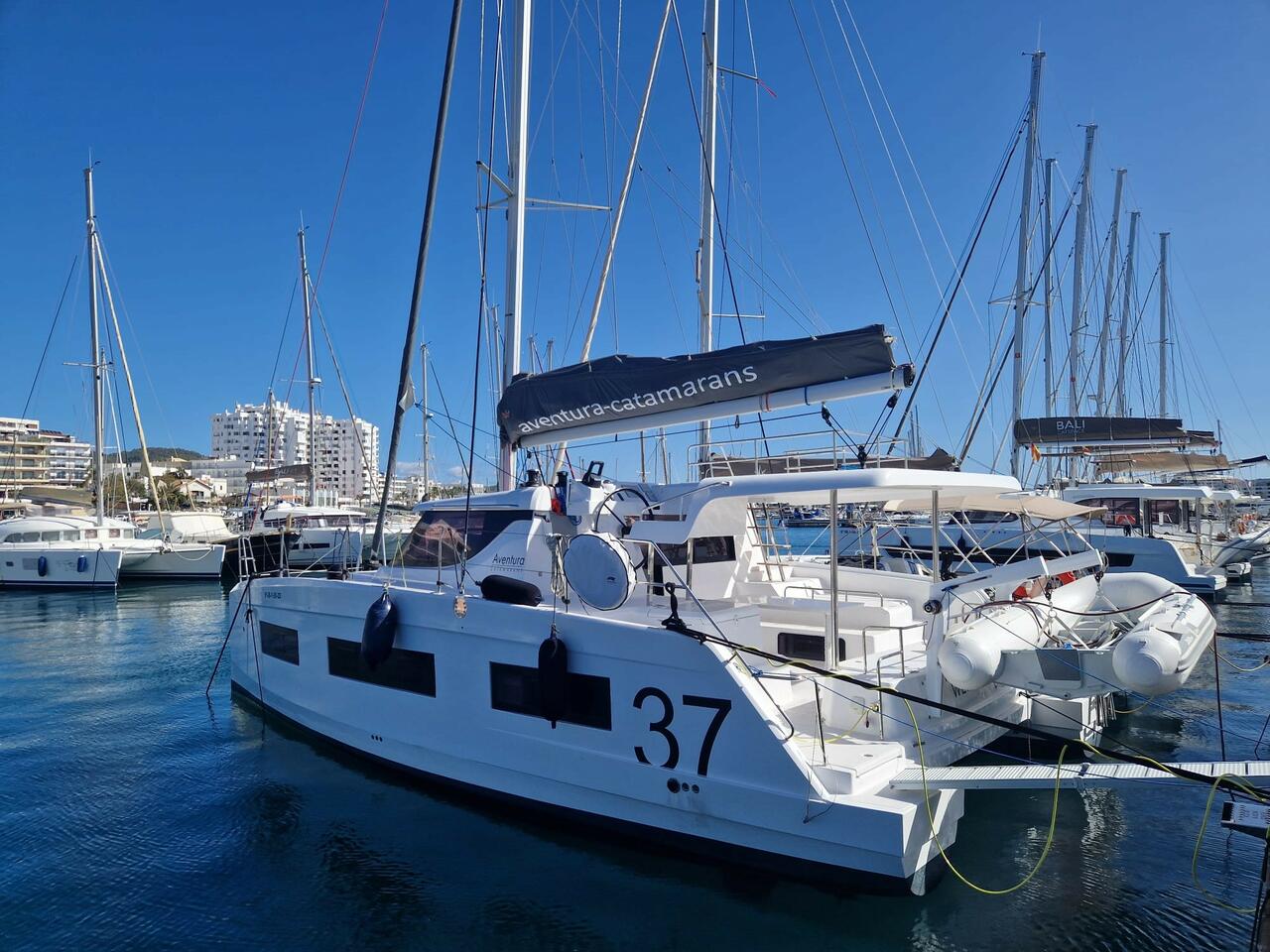
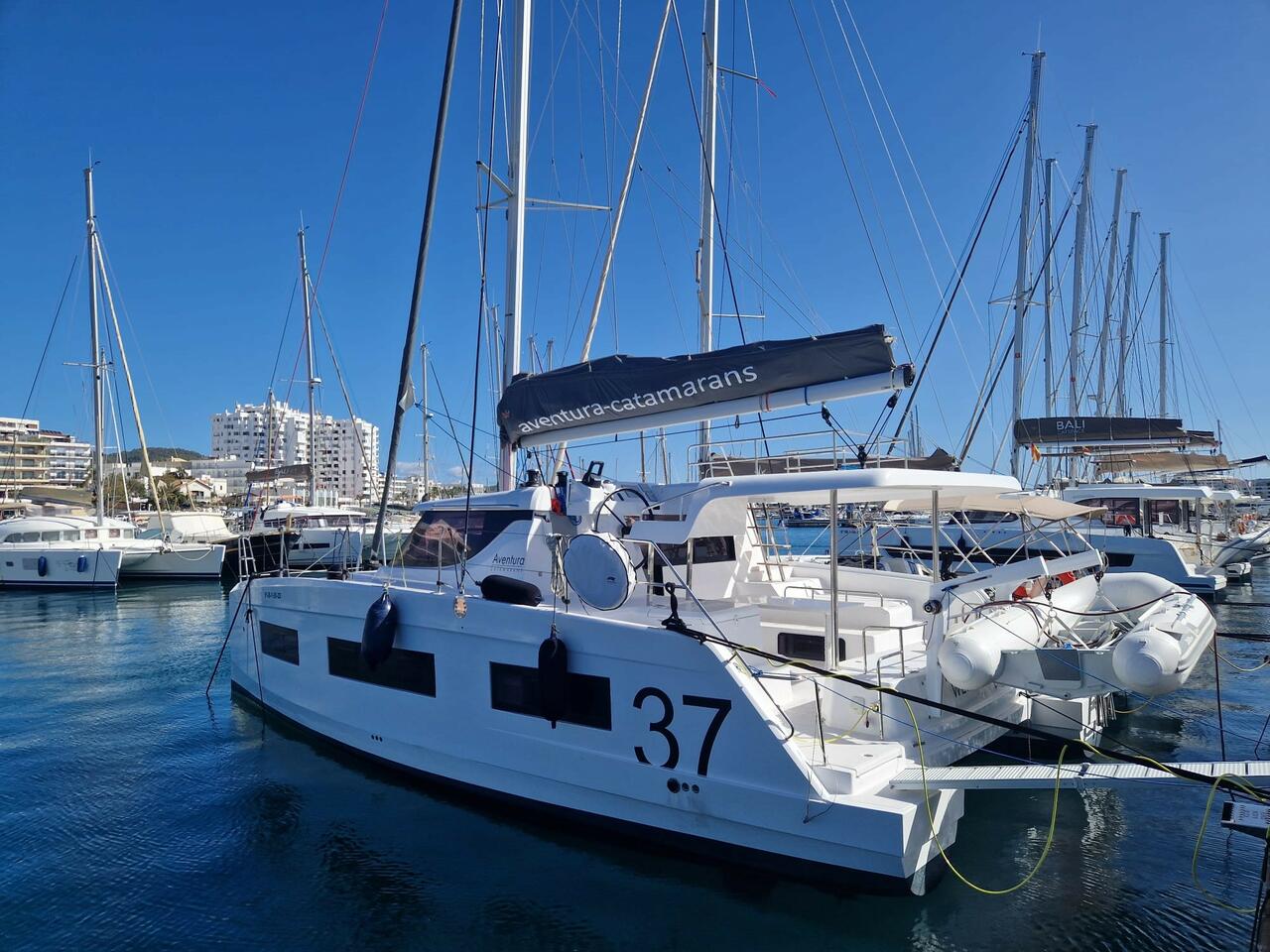
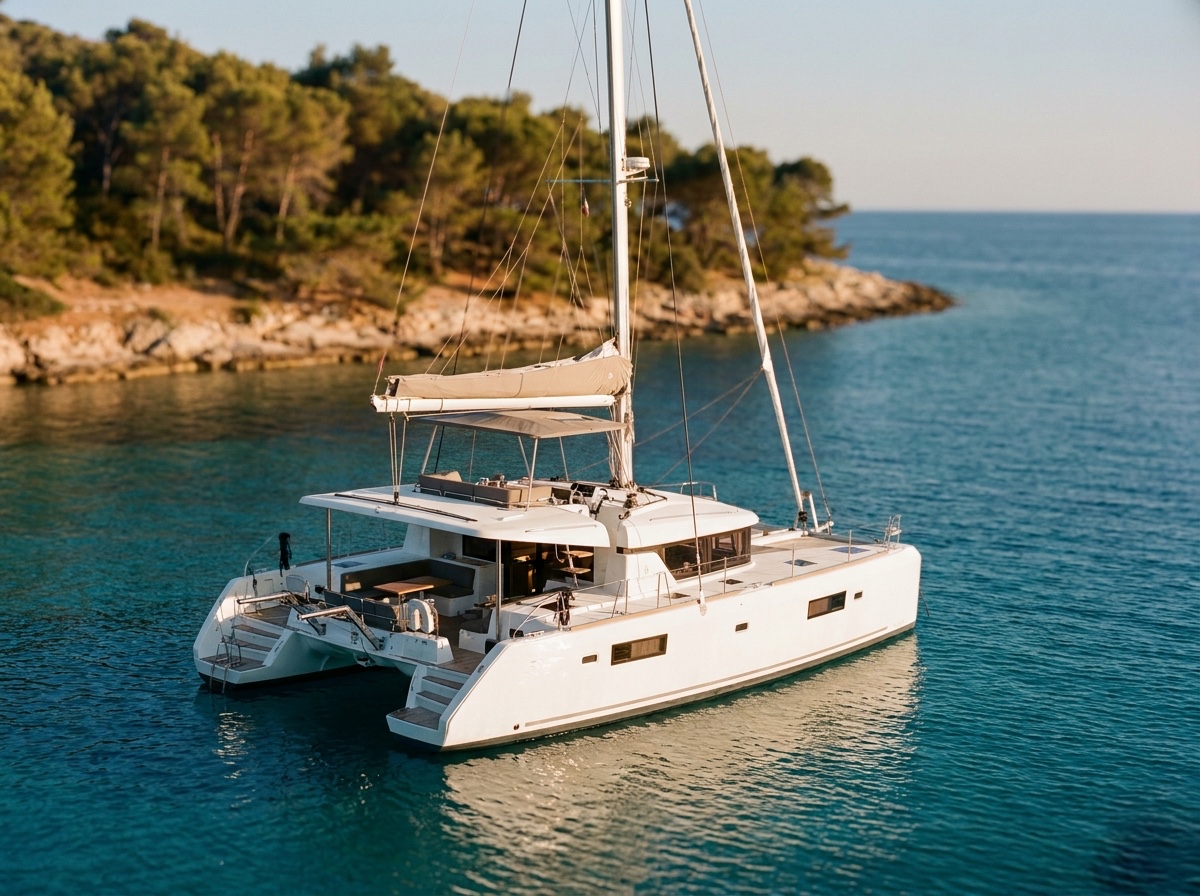
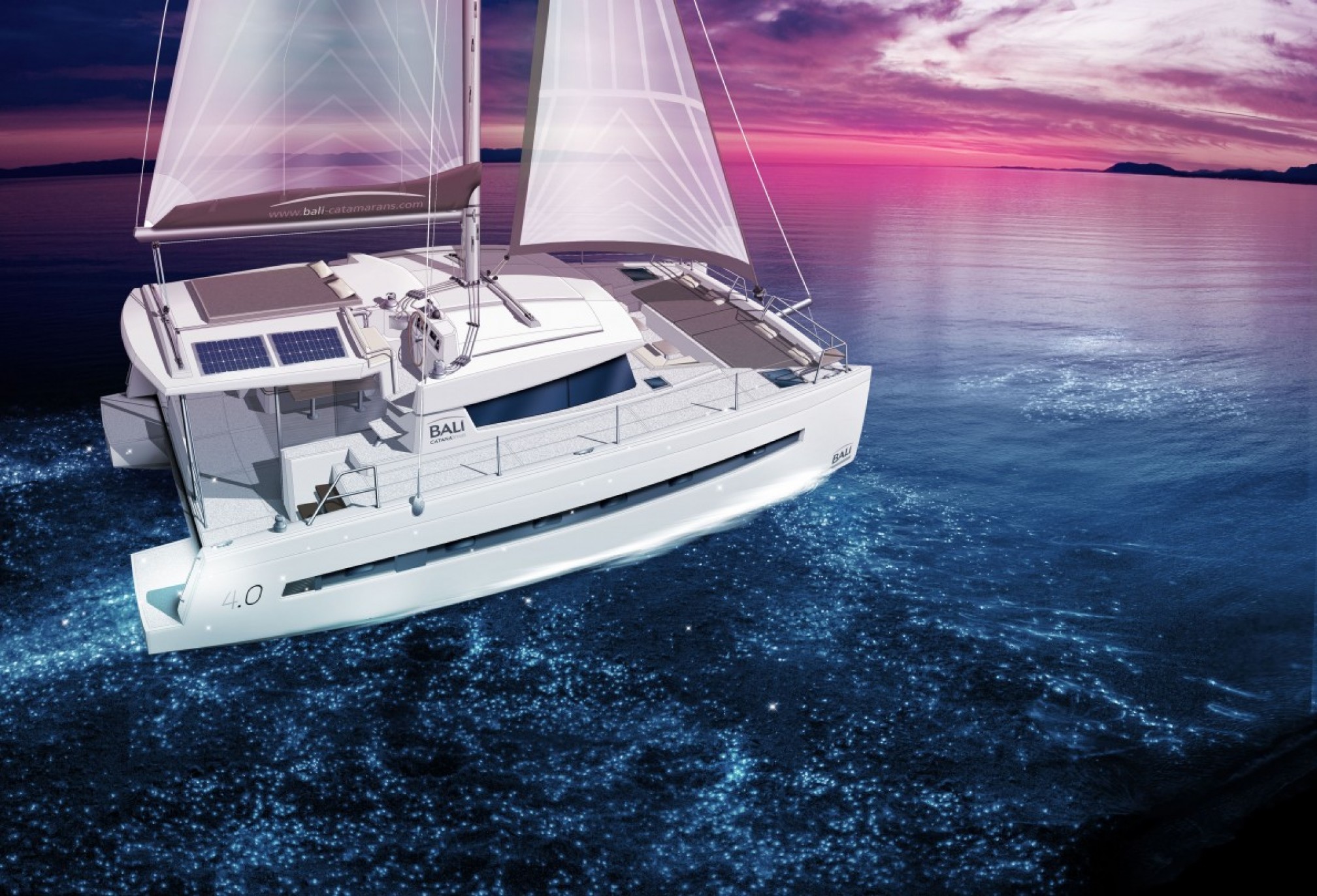
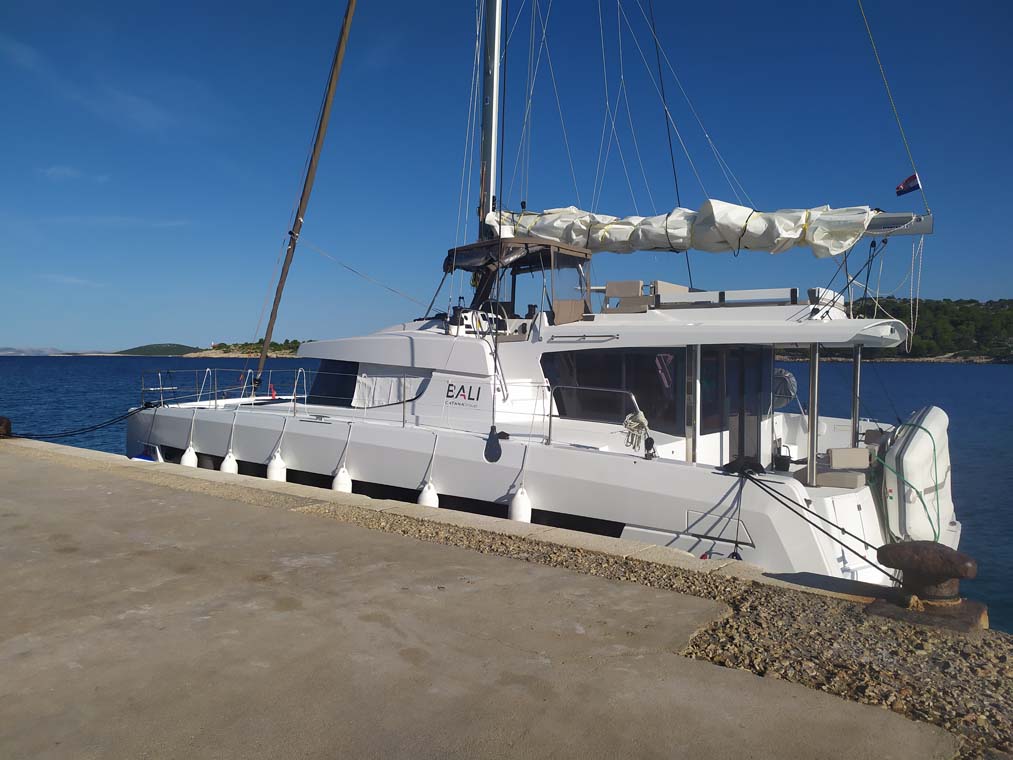
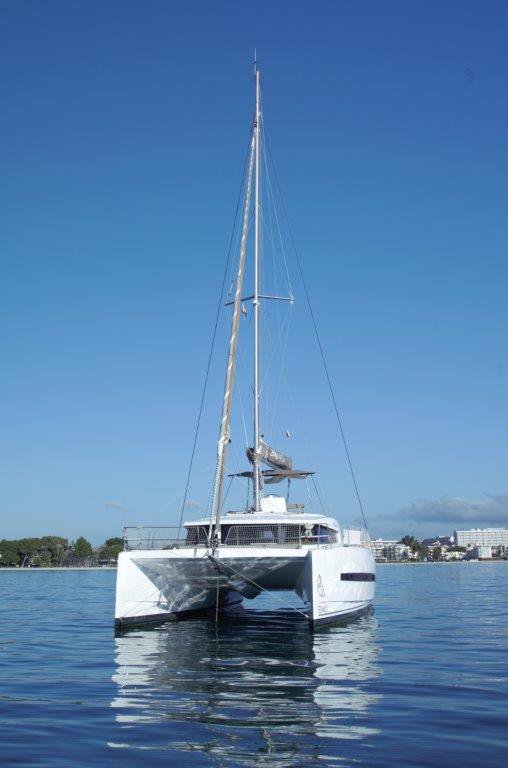
The fleet covers the usual range. **Bareboat** monohulls in the 35–50ft band are the staple if you hold the right licence and have miles under you. **Catamarans** are increasingly popular in the Balearics for the space and shallow draft — easier on families and on anchorages. If you'd rather not skipper, a **skippered charter** puts a local at the helm who knows which cala empties out by sunset and which marina to avoid in a tramontana; add a **hostess/cook** for a full crewed week. Cabin charters — booking by the berth — turn up occasionally but aren't the norm here. Tell us what you want over WhatsApp and we'll match boats to your crew and experience.

## What it costs

A week's bareboat in the Balearics swings hard by boat, age and season — a tired older monohull in the shoulder season is a different price from a new catamaran in August. Rather than guess, treat the boat itself as **Price on request** and budget realistically around it. Expect to add: marina fees (busy Balearic marinas in August are not cheap), fuel, an end-of-charter clean, and often a security deposit held against the boat. Skipper and hostess are extra day rates on top. Provisioning for a week of breakfasts and lunches aboard, with dinners split between boat and quay, is a meaningful line too. Send us your dates and crew size on WhatsApp and we'll come back with real numbers, not a range you can't plan against.

## A sample week in the Balearics

**Day 1** — Board in Palma, provision, shake down across the bay, anchor off Illetes for the first swim.

**Day 2** — South to Cabrera (you'll need a permit for the reserve — we sort that). Pick up a mooring, snorkel the clear water, walk up to the castle.

**Day 3** — Back to Mallorca's south-east, the calas around Porto Petro and Cala Mondragó.

**Day 4** — Long-ish hop across to Ibiza's east coast; anchor and head ashore for dinner.

**Day 5** — Down to Formentera. The sandbanks off Espalmador are the postcard, and they're busy — arrive early to anchor in sand, not on seagrass.

**Day 6** — Work back toward Mallorca, overnight in a quiet cala on the south-west.

**Day 7** — Short sail back to Palma, fuel up, hand the boat over. Adjust freely — wind and the tramontana decide the real route.

## Getting there and arrival

Palma de Mallorca has frequent direct flights from across Europe and a quick transfer to the main charter marinas. Ibiza, Menorca, Barcelona, Alicante and the Canary islands all have their own airports, so you can usually fly close to your base. Charters typically start Saturday with an afternoon check-in and finish with a morning handover, though some bases run flexible days. Bring your sailing licence and, for bareboat, the ICC or equivalent plus a VHF certificate — Spanish bases are strict on paperwork. A skipper's logbook helps if you're chartering a larger boat. Message us on WhatsApp and we'll confirm exactly what your chosen base needs.

Bareboat Charter

Sailing it yourself — licences, navigation and anchorages

Bareboat means you skipper. You'll need a recognised licence (ICC + VHF, RYA Day Skipper or ASA 104+) and a confident hand aboard — if no one on the crew is qualified, take the same yacht skippered and our captain drives.

We brief you on the local navigation: the channels and headlands that funnel the wind, where to anchor versus take a mooring, provisioning ports, and the best first-timer route versus the longer run for experienced crews.

Yachts for your Spain week.

No yachts are available right now. Please check back soon, or get in touch and we’ll help you plan your charter.

Spain questions

Asked and answered.

How much does a yacht charter in Spain cost?
It depends heavily on the boat, its age, and the season — a small older monohull in May is a world apart from a new catamaran in August. We quote each boat individually, so treat the base price as on request. Budget separately for marina fees, fuel, end clean, deposit, and any skipper or hostess. Send your dates and crew size on WhatsApp and we'll give you real figures.
Do I need a licence to charter a yacht in Spain?
For bareboat, yes. Spanish bases generally require an ICC (International Certificate of Competence) or national equivalent, plus a VHF radio certificate for the skipper. Rules are applied strictly, so have your papers in order before you arrive. If you don't hold a licence or lack recent miles, book a skippered charter instead — a local skipper handles the boat and the paperwork. Ask us on WhatsApp and we'll confirm your base's requirements.
When is the best time to sail Spain?
May, June and September are the sweet spots in the Balearics: warm water, lighter crowds, and more reliable wind than the often-light high-summer afternoons. July and August are hottest and busiest, with marinas full and pricier. Watch for the tramontana, a strong north wind that can blow for days. The Canaries sail well year-round on steady trade winds, with bigger Atlantic swell to match.
Where should I start my charter?
Palma de Mallorca is the natural first choice — the Med's largest charter base, easy flights, and short hops to Cabrera, Ibiza and Formentera. Menorca's Mahón suits crews wanting somewhere quieter. Catalonia works from bases near Barcelona up to the Costa Brava. For open-water Atlantic sailing, start in the Canaries. Alicante anchors the Costa Blanca. Tell us your crew and plans on WhatsApp and we'll suggest a base.
Is Spain good for a family sailing holiday?
Yes, especially the Balearics. Hops between anchorages are short, the water is clear and warm, and there's a beach or cala for swimming most afternoons. Catamarans are popular with families for the deck space, shallow draft and stable motion. A skipper takes the pressure off the adults and knows the calm, sheltered spots. Avoid the windiest channels in a tramontana. Message us and we'll match a boat to your family.
Bareboat or skippered — which should I book?
Bareboat suits experienced skippers with the right licence and recent miles, giving full freedom over the route. Skippered charter puts a local at the helm — worth it if you're new to the area, lack a licence, or simply want to relax. A good skipper knows which calas empty by evening and where to shelter from the tramontana. Add a hostess/cook for a fully crewed week. We'll advise based on your experience.

Ready when you are

Plan your Spain charter.

Tell us your dates and group — we'll come back with two or three boats that fit, usually within the day.

Message Our Expert Team on Your Preferred Channel