
Guide · 7 min read
Bareboat, skippered or crewed: which charter suits you
Three words do a lot of work in charter listings, and most people pick the wrong one. Here is what each actually asks of you — licences, crew aboard, money, and the parts nobody puts in the brochure.
7 chapters · 7 min read · Updated 3 September 2026
Photo · Jess LoitertonBareboat: what it actually asks of you
First, the paperwork, because it stops more charters than weather does. Croatia requires the named skipper to hold a recognised certificate of competence plus a VHF short-range certificate, and the port authority does check. Greece wants a licence and a second crew member willing to sign as co-skipper. The British Virgin Islands work differently: no licence, but a sailing CV the base manager will read properly, and a briefing that lasts as long as your answers suggest it should.
Then the seamanship. Bareboat means berthing stern-to at ACI Marina Split at 1800 with a crosswind and 30 other boats wanting the same 4m of quay. It means knowing that a bura off the Velebit arrives dry, gusty and faster than the forecast reads, and that anchoring in 10m over weed in a Cycladic bay needs a second set on the chain. It means engine checks, holding-tank discipline, and a plan B harbour before you need one.
If that reads as work, there is a middle route worth knowing: a flotilla yacht charter. You skipper your own Bavaria 46 or Sun Odyssey, but a lead boat sets the day's passage, briefs the anchorage at breakfast and is on the radio when your windlass jams. Right for competent sailors who want the boat to themselves and the decisions shared; less right for anyone who resents being told when to leave.
Skippered: the middle option most people underrate
A skipper is not a driver. On a good week they are the reason you get into the small bay on Vis before the two charter cats arrive, the reason the mooring in Trogir was booked at 1100 rather than hoped for at 1900, and the reason you ate at the konoba that does peka properly instead of the one with the laminated menu. Local knowledge compounds daily. Over seven days, it changes the whole shape of the week.
It also removes the licence problem entirely. No certificate, no VHF ticket, no co-skipper signature, no sailing CV. That matters if your group has one nominal sailor and five passengers, and it matters enormously in the Aegean in July and August, when the meltemi runs 25-35 knots for days at a time and the difference between a good afternoon and a bad one is knowing which side of Paros to be on.
The honest trade-off is space and privacy. Your skipper sleeps in the forepeak or the saloon, which usually costs you a cabin, and there is a professional aboard from breakfast to nightcap. Most crews forget this by day two. Some never do. Right for first-time charterers, families with young children, and experienced sailors in unfamiliar water; less right for a couple who wanted the boat entirely to themselves.
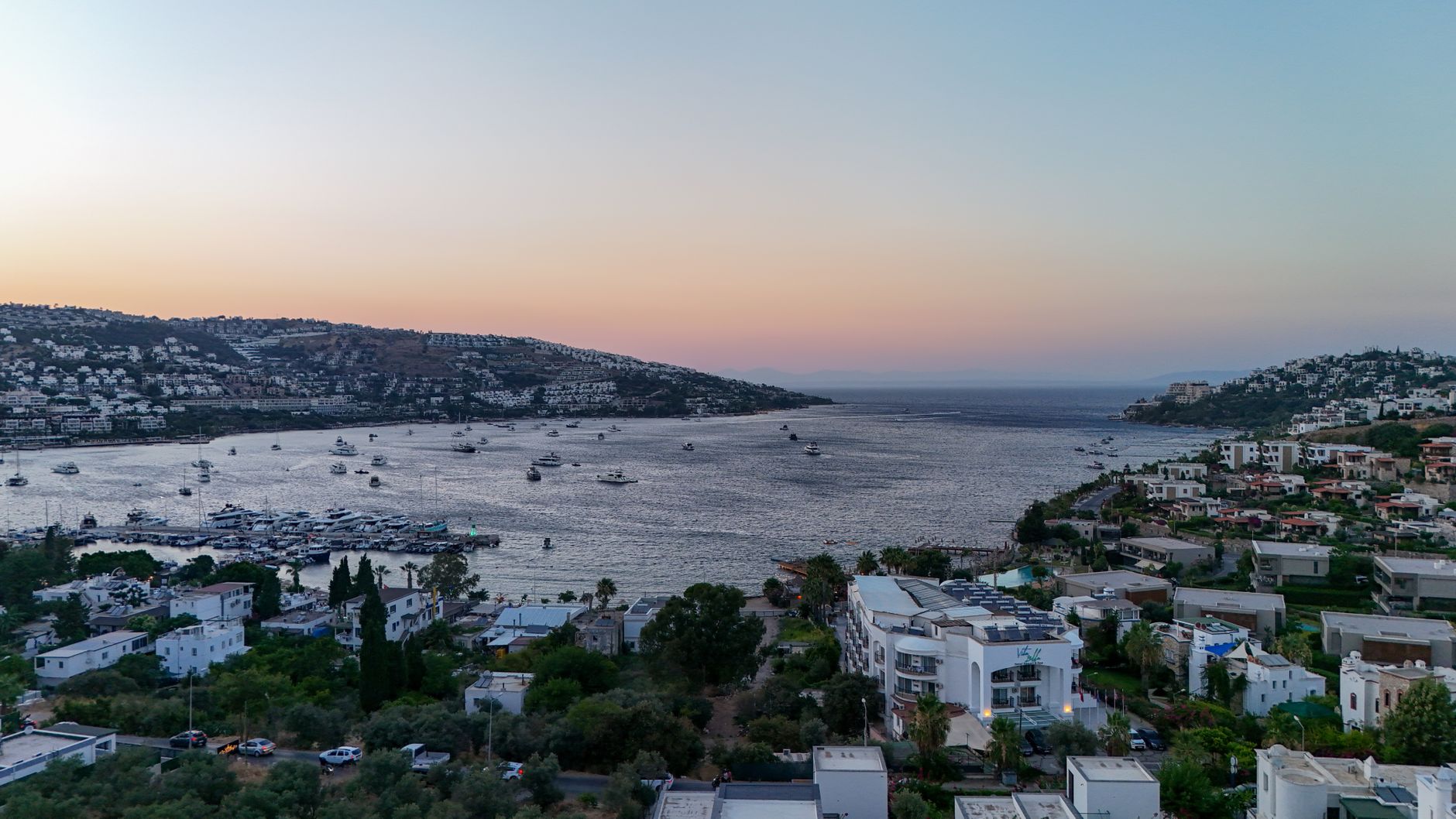
Crewed: what you are really buying
You are buying back time, not chandlery. On a crewed sailing yacht — typically a 50-60ft catamaran or a monohull with a skipper and cook — provisioning is done before you land, breakfast appears while you swim, lunch happens at anchor, the tender runs you ashore and back, and nobody argues about the washing-up. The itinerary is a conversation each evening rather than a spreadsheet you maintain.
There are variants worth knowing. A power catamaran charter — a Fountaine Pajot or Lagoon motor cat cruising at 10-14 knots — trades sailing for deck space, shade and range, and suits groups who want the islands more than the passage; budget for meaningfully more fuel. In Turkey the equivalent is the gulet: wide teak decks, a full crew, and a coast built for it between Göcek and Fethiye.
The trade-offs are real. Your crew live aboard, so the boat is never entirely private. Spontaneity is negotiated rather than assumed. Tipping is conventional at roughly 5-15% of the charter fee, and in some markets an advance provisioning allowance of around 30% is collected on top of the base rate. Right for families of eight, milestone birthdays, and anyone whose holiday time is scarce enough to be worth paying to protect.
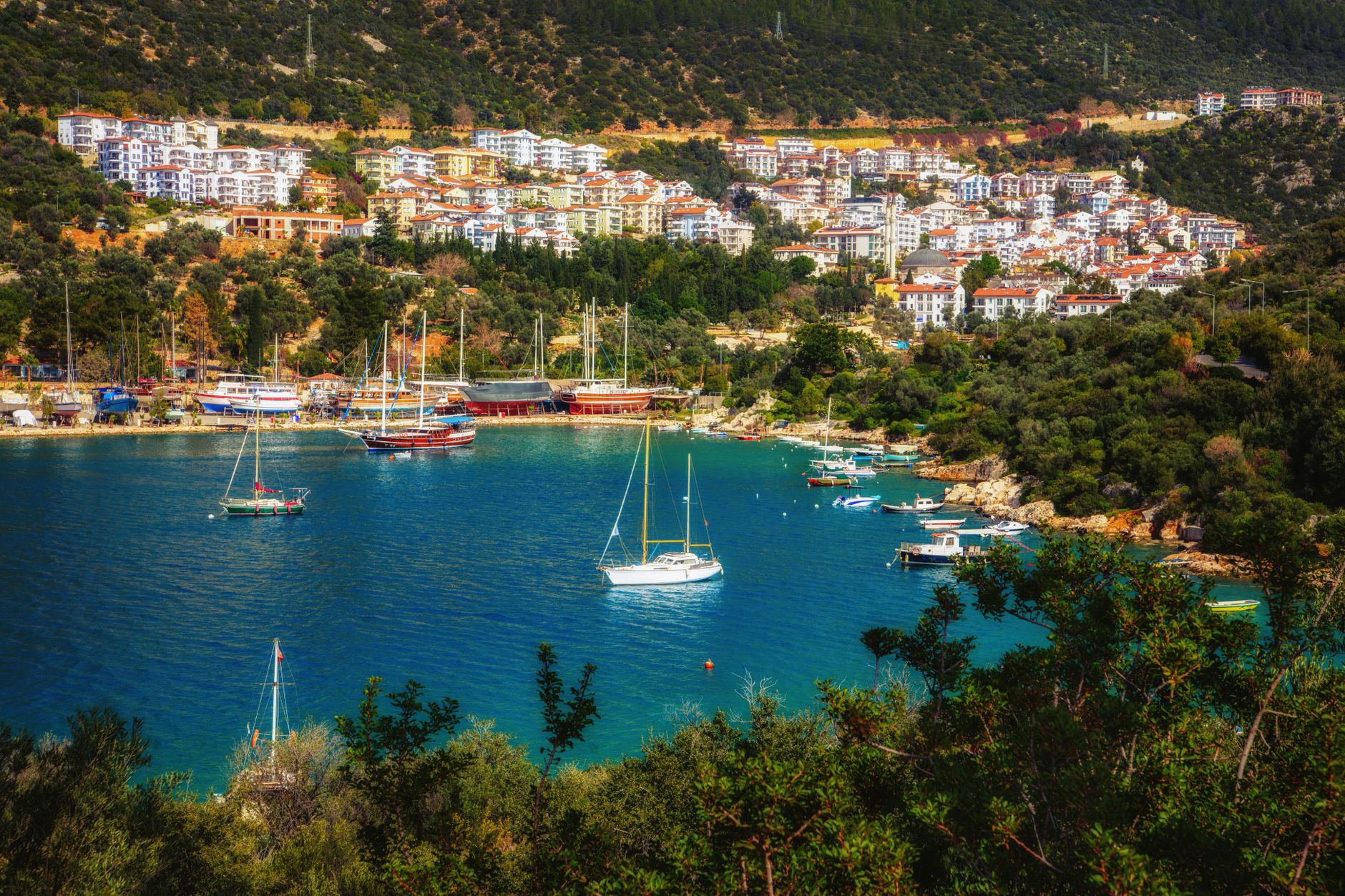
What each one costs, side by side
Bareboat is the cheapest headline and the most extras. A 45-47ft monohull in the Mediterranean runs roughly €2,500-4,500 a week in shoulder season, with catamarans well above that. Then add what the headline leaves out: a security deposit of €1,500-5,000 held on a card, end cleaning, the Greek transit log or Croatian tourist tax, fuel, and marina fees that reach €60-150 a night in the Adriatic in August. Anchoring most nights changes that number substantially.
Skippered is bareboat plus a professional. Reckon on roughly €180-250 a day for the skipper, plus their food, plus a cabin you no longer sleep in. On a week for six, that is around €30-40 per person per day for someone who berths the boat, reads the wind and knows where the swell wraps. Measured against one dented topside or one lost deposit, it is not an extravagant line.
Crewed is all-in and starts higher: roughly €12,000 a week and upward for a 50ft catamaran with skipper and cook in the Mediterranean, meals and soft drinks included, with no real ceiling above that. Divided by six adults, that is a figure people usually find lower than they expected once flights, hotels and restaurants are stripped out of the comparison. Current per-yacht rates sit on each yacht page and shift with the season.
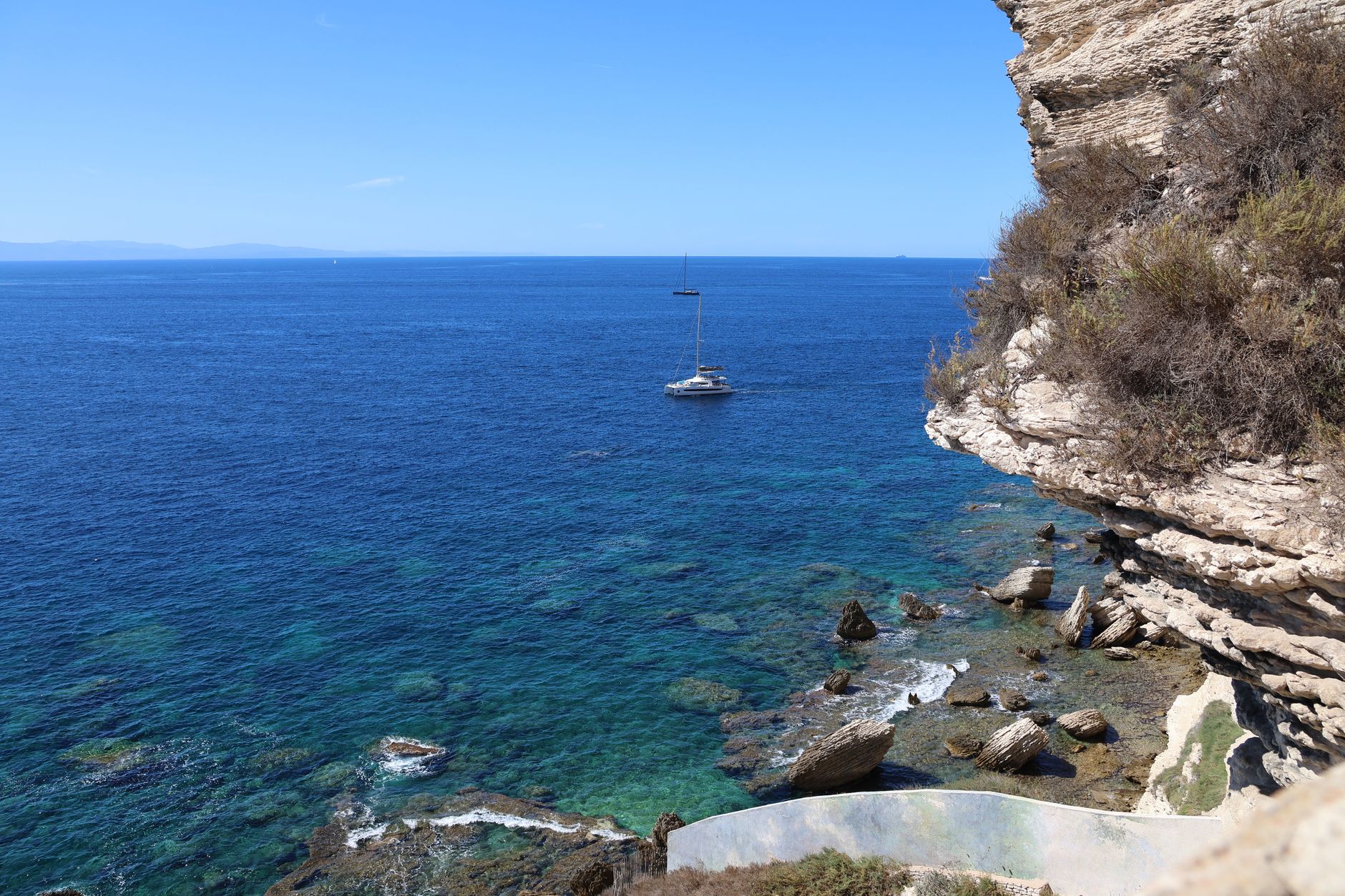
How to choose in about two minutes
Four questions settle it. Do you hold a licence the destination recognises, with the VHF certificate to match. Have you berthed stern-to in a crosswind in the last two seasons. Do you know the local wind — bura, meltemi, maestral, the north-east trades — well enough to plan a day around it. And who, honestly, is cooking. If the answers are yes, yes, yes and someone who wants to, take the bareboat.
If any answer wobbles, take the skipper; it costs less than the mistakes it prevents and you will learn enough in one week to bareboat the next. If the group is eight strong, includes small children or grandparents, or if the point of the week is that nobody works, go crewed. And whichever you pick, look at late May, June or September before July and August — lighter wind, half the marina traffic, and prices that are not written for peak.
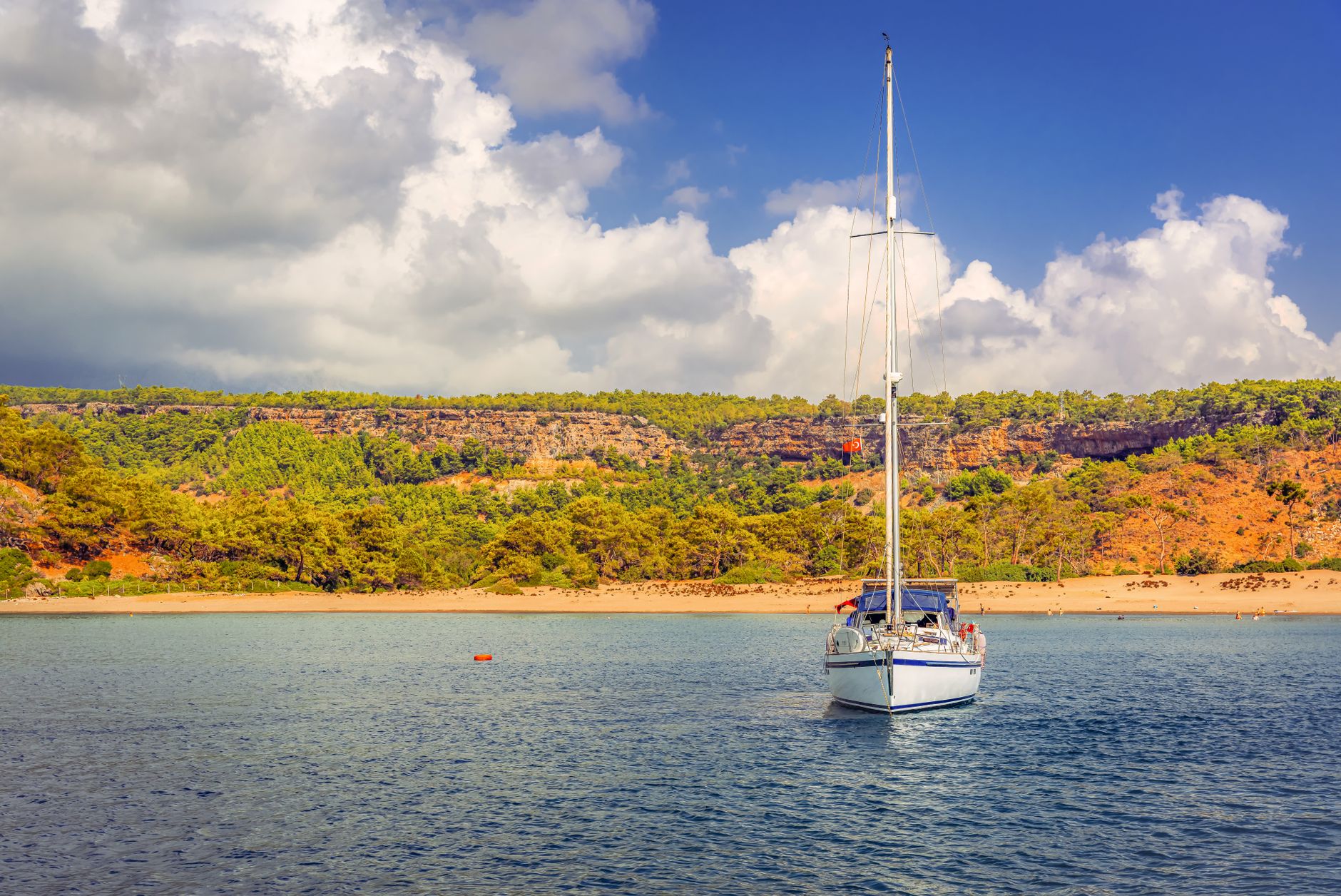
Where each type is easiest to book
For bareboat, the Adriatic and the Ionian are the deepest markets and the gentlest water. Croatian bases at Split, Kaštela and Trogir put you 10-20 nautical miles from the next island with a 10-15 knot maestral filling in after lunch. An Ionian yacht charter from Lefkas or Preveza is easier still: short channel hops, no meltemi, and afternoon breeze around 12-18 knots. Solo sailors and couples can also look at cabin charter Croatia, where you take a berth rather than the whole boat.
For skippered, the answer is almost anywhere, but the value is highest where local knowledge is hardest to acquire. Turkey's Lycian coast, the Sporades, and Thailand between November and April — Phuket bases, limestone karsts, tides that matter and anchorages that reward someone who has used them before. A skipper is also the simplest fix when nobody in the group holds the certificate the flag state wants to see.
For crewed, the Caribbean is built for it. The British Virgin Islands run 15-20 knot north-east trades from December to April, with hops of 5-12 nautical miles across the Sir Francis Drake Channel and bases at Road Town and Nanny Cay; the Bahamas offer the same crewed depth with more space between anchorages. Right for groups who want the week handled. Bareboat suits certificated sailors who like the responsibility; skippered suits nearly everyone in between, and it is where we would start most first charters.